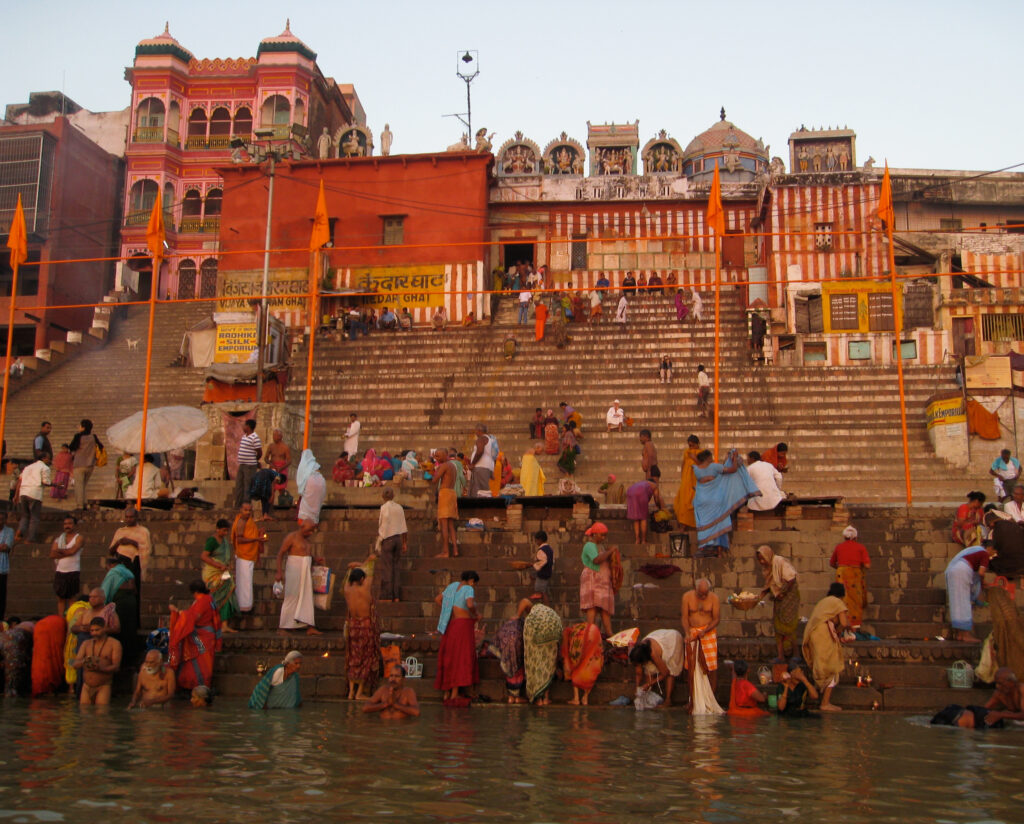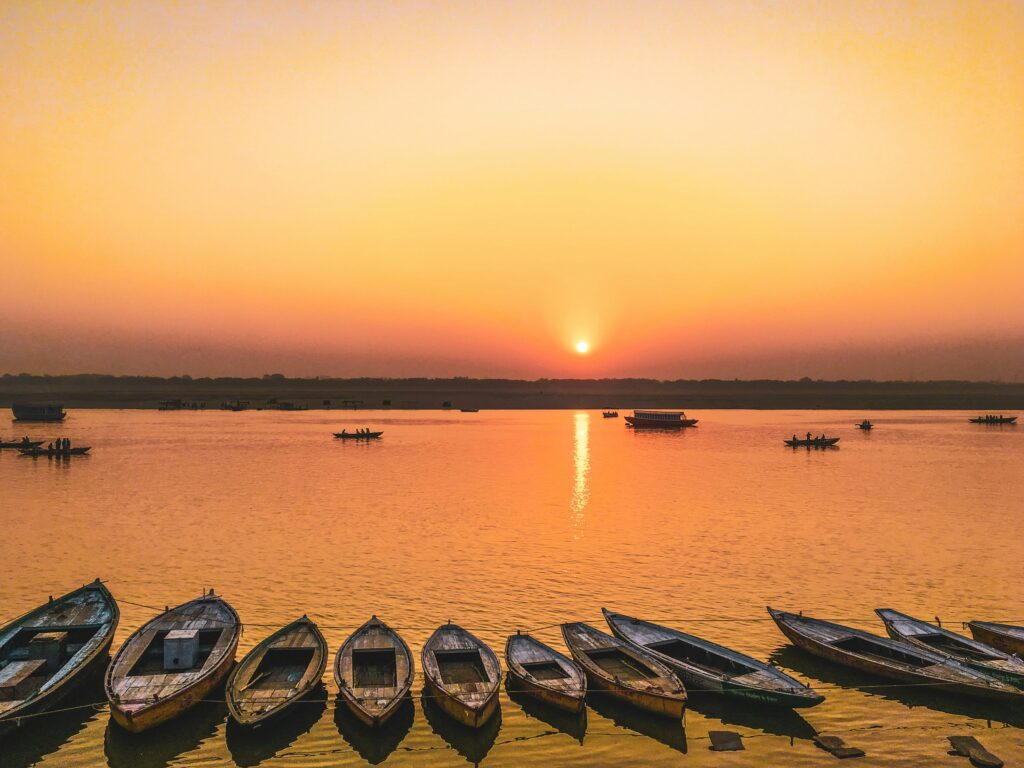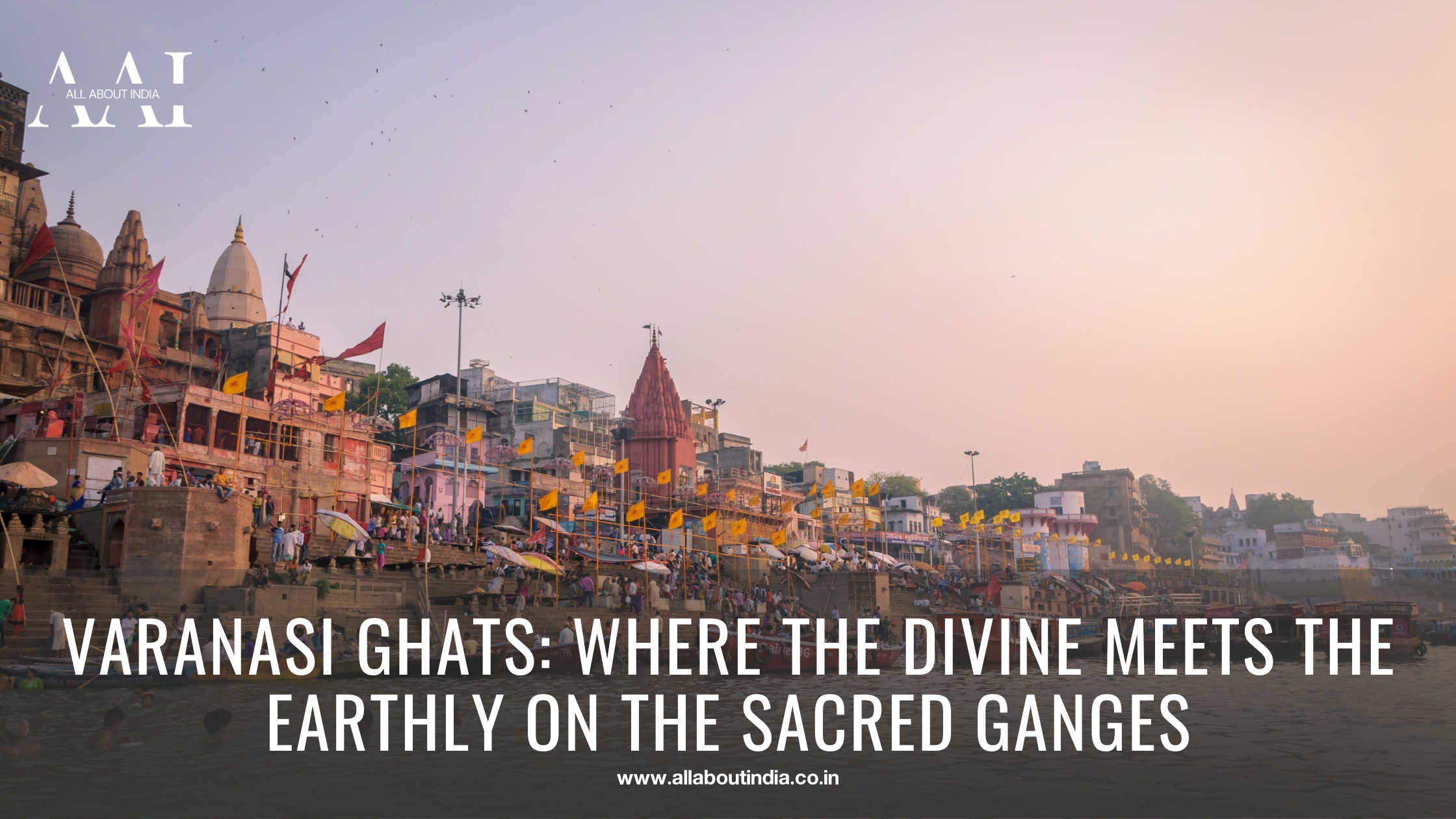
Picture this: the first rays of dawn painting the sky in shades of gold and crimson, the gentle sound of temple bells mixing with devotional chants, and thousands of pilgrims descending ancient stone steps toward the holy Ganges. This is the timeless magic of Varanasi ghats—a spiritual symphony that has played out for over three millennia.
The Varanasi ghats are far more than architectural marvels or tourist attractions. They represent the beating heart of India’s oldest living city, where life and death, devotion and celebration, ancient rituals and modern life converge in a mesmerizing dance. These 84 stepped embankments stretching along the western bank of the Ganges River form a sacred corridor that connects heaven and earth, offering pilgrims a pathway to salvation and visitors an unforgettable glimpse into the soul of India.
Whether you’re a spiritual seeker yearning for transcendence, a culture enthusiast eager to witness living traditions, or simply a traveler drawn to places where time seems to stand still, the Varanasi ghats promise an experience that will transform your understanding of life, death, and everything in between.
Understanding the Varanasi Ghats: More Than Sacred Steps
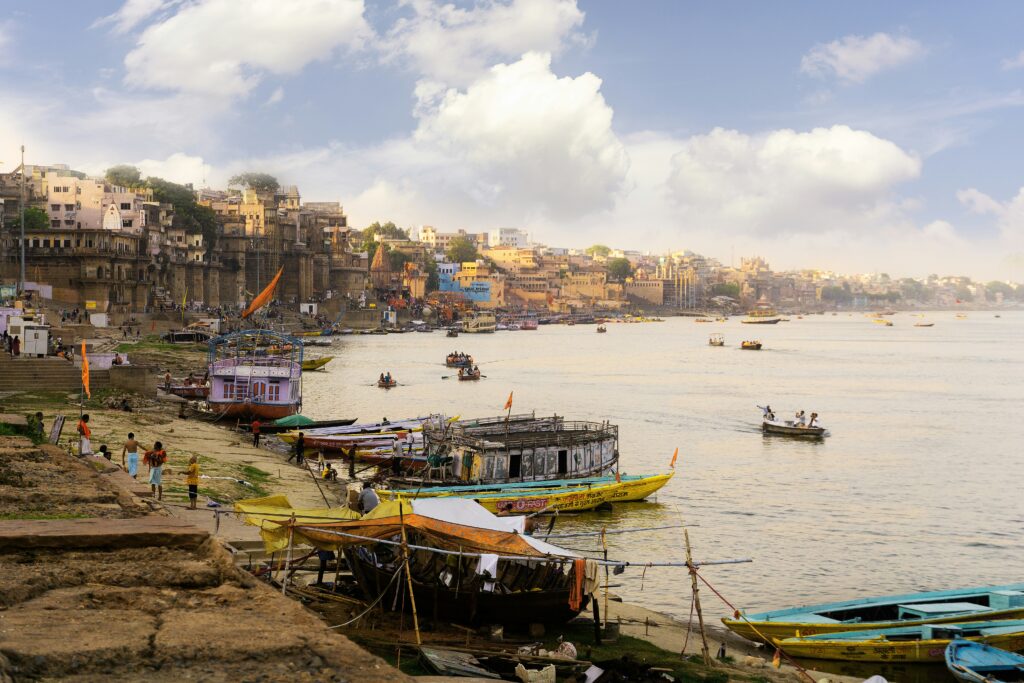
The word “ghat” comes from the Sanskrit term “ghatta,” meaning a series of steps leading down to a water body. But the Varanasi ghats transcend this simple definition. For Hindus, the Ganges River embodies the goddess Ganga herself, and the ghats serve as the interface between the mortal and divine realms.
The Sacred Geography
Stretching approximately seven kilometers along the western bank of the Ganges, the Varanasi ghats create a continuous spiritual landscape. The city’s positioning is considered especially auspicious—at the confluence point where the holy Ganges curves northward rather than flowing east-west, creating what believers call the “Uttarvahini” (northward flowing) Ganga, considered particularly sacred.
This unique geographical feature means that pilgrims performing rituals at Varanasi ghats face the rising sun while standing in the holy river—a positioning believed to maximize spiritual benefits and cleanse accumulated sins.
The Historical Evolution
Most of the current Varanasi ghats were constructed or rebuilt during the 18th century under Maratha patronage. Royal families from across India—including the Scindias of Gwalior, Holkars of Indore, Bhonsles of Nagpur, and Peshwas of Pune—commissioned these magnificent structures as acts of devotion and to establish their spiritual legacy.
However, the ghats’ spiritual significance dates back much further. Ancient texts mention that Lord Shiva himself established Varanasi, and the Varanasi ghats have served as pilgrimage sites for thousands of years. Archaeological evidence suggests continuous human habitation and religious activity in this area since at least 1200 BCE.
Functions and Purposes
The 84 Varanasi ghats serve diverse purposes. While most function as bathing ghats where pilgrims perform ritual ablutions and prayers, two—Manikarnika and Harishchandra—operate exclusively as cremation sites. Some ghats host specific ceremonies and festivals, others are owned by particular communities or royal families, and a few remain relatively quiet spaces for contemplation.
Each ghat has its own character, mythology, and significance. Some attract crowds of thousands daily, while others offer peaceful solitude. Understanding this diversity helps visitors appreciate the rich tapestry of experiences that Varanasi ghats collectively offer.
Dashashwamedh Ghat: The Crown Jewel of Varanasi Ghats
If the Varanasi ghats have a heart, it beats strongest at Dashashwamedh Ghat. This is the most famous, busiest, and arguably most spectacular of all the ghats lining the Ganges.
The Legend Behind the Name
The name “Dashashwamedh” translates to “ten horse sacrifices” and connects to ancient Hindu mythology. According to legend, Lord Brahma performed ten Ashwamedha yajnas (horse sacrifices) at this spot to welcome Lord Shiva back to Varanasi after a long absence. The ritual was so powerful that the sacred energy still permeates this ghat thousands of years later.
Another version of the tale states that a devout king named Divodas performed these ten sacrifices to atone for sins and please the gods, transforming this location into one of the holiest spots along the Ganges.
The Evening Ganga Aarti: A Spectacle Beyond Words
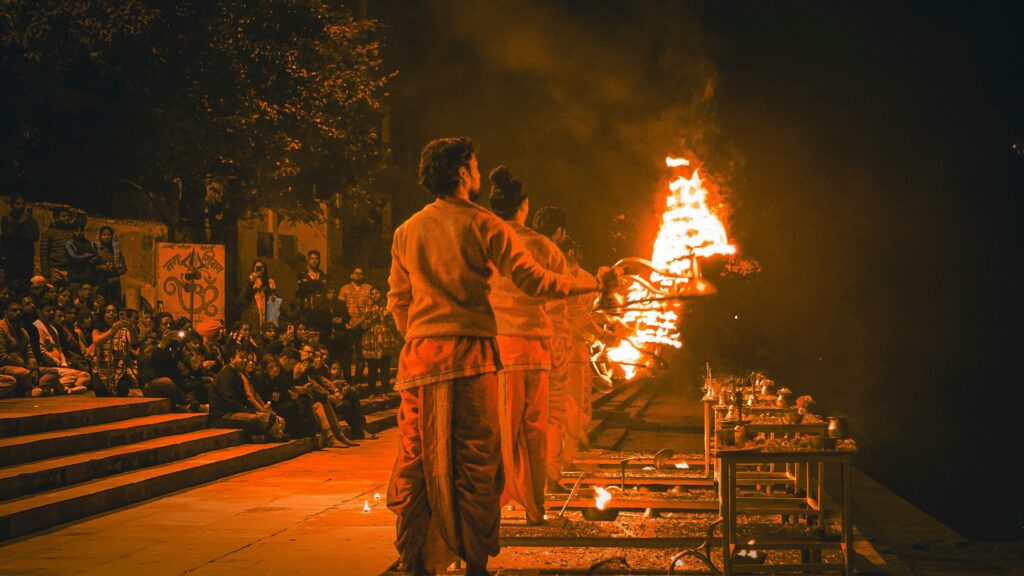
Every evening as the sun sets over the Ganges, Dashashwamedh transforms into a stage for one of India’s most captivating spiritual performances—the Ganga Aarti. This elaborate ceremony, which began in 1991 inspired by Haridwar’s tradition, has become the signature experience at Varanasi ghats.
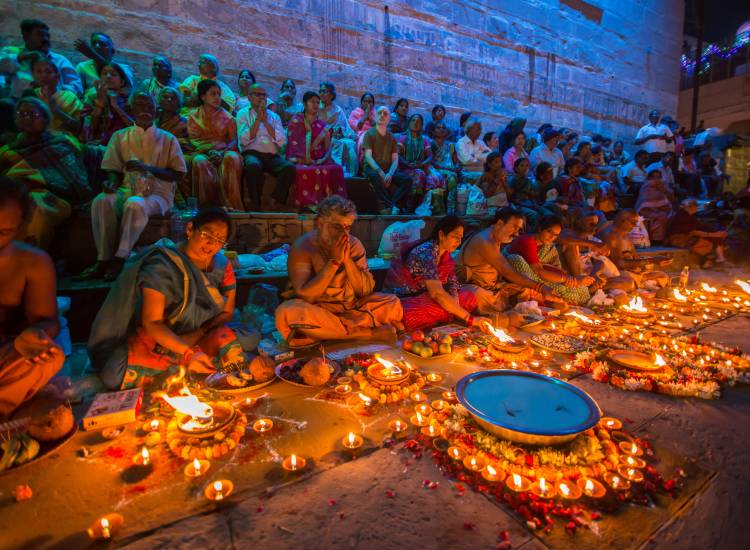
The Ritual Unfolds: Seven young priests, dressed in traditional saffron robes and white dhotis, stand on elevated platforms facing the river. They move in perfect synchronization, their movements choreographed through years of training. Holding massive brass lamps with multiple wicks, they perform intricate gestures—circling the lamps before the river, raising them skyward, lowering them toward the water—all while chanting ancient Sanskrit mantras.
The air fills with the fragrance of incense, the sound of bells, drums, and conch shells. Devotees wave their own small lamps, offer flowers to the river, and join in the chanting. As darkness deepens, thousands of oil lamps float down the Ganges, their flames reflecting on the water like stars fallen to earth.
Timing Your Visit: The Ganga Aarti at Dashashwamedh Ghat typically begins around 6:30 PM in winter and 7:00 PM in summer, lasting approximately 45 minutes. However, savvy visitors know to arrive at least an hour early to secure a good viewing position, as crowds can number in the thousands, especially during festivals and peak season.
The Marketplace and Atmosphere
Beyond the religious ceremonies, Dashashwamedh pulsates with commercial energy. The narrow lanes behind the ghat form a labyrinthine marketplace where vendors sell everything from silk saris and brass idols to street food and spiritual souvenirs. Flower sellers offer marigold garlands for river offerings, astrologers promise to read your future, and priests offer to perform personalized pujas for a donation.
This commercialization doesn’t diminish the spiritual atmosphere—rather, it reflects the quintessentially Indian integration of the sacred and mundane. The Varanasi ghats have always been places where commerce, culture, and devotion intertwine.
Assi Ghat: Where Tradition Meets Modernity
Located at the southern end of the ghat chain, where the Assi River meets the Ganges, Assi Ghat represents a different face of Varanasi ghats—one that balances ancient traditions with contemporary cultural expressions.
The Mythological Foundation
Hindu mythology recounts that after slaying the demons Shumbha and Nishumbha, Goddess Durga threw her sword into the river. Where it landed, the Assi River came into being, and the ghat took its name from this sacred stream. A massive Shiva lingam sits under a sprawling peepal tree near the ghat, where devotees offer holy water as part of their morning rituals.
According to the ancient text Kashi Khanda, bathing at Assi Ghat during specific astrological periods can liberate one from the cycle of rebirth. This belief draws thousands of pilgrims, especially during important festivals.
Subah-e-Banaras: The Morning Cultural Program
Unlike the evening-focused atmosphere at Dashashwamedh, Assi Ghat comes alive at dawn with “Subah-e-Banaras” (Morning of Varanasi)—a unique cultural program that has become increasingly popular. Every morning around 6:00 AM, the ghat hosts yoga sessions, classical music performances, devotional singing, and the morning Ganga Aarti.
This program offers a more intimate and serene spiritual experience compared to the grand evening spectacle elsewhere. The early morning light, the gentle mist rising from the river, and the soulful music create an atmosphere of profound tranquility.
The Student and Tourist Hub
Assi Ghat’s proximity to Banaras Hindu University has transformed it into a favorite gathering spot for students, artists, and foreign travelers. The surrounding area features cafes, restaurants, bookshops, and guesthouses that cater to both spiritual seekers and cultural explorers.
This blend of local and international, traditional and contemporary, makes Assi Ghat one of the most dynamic among Varanasi ghats. You might witness a traditional puja ceremony at sunrise, then enjoy a cappuccino while discussing philosophy with travelers from around the world by afternoon.
Manikarnika Ghat: The Sacred Gateway to Moksha
Among all Varanasi ghats, none holds more profound spiritual significance—or generates more contemplative emotions—than Manikarnika Ghat, the primary cremation site along the Ganges.
The Eternal Flame and Sacred Mythology
Hindu belief holds that dying in Varanasi and being cremated at Manikarnika Ghat grants moksha—liberation from the endless cycle of death and rebirth. The eternal flame that has burned here for thousands of years, tended by the Dom Raja (chief of the cremation ground workers), is believed to have been lit by Lord Shiva himself.
The ghat’s name comes from another beautiful legend. When Goddess Parvati was bathing here, her manikarnika (jeweled earring) fell into the water. Lord Shiva, using his trident, created a kund (sacred pool) to retrieve it. This pool, known as the Manikarnika Kund, still exists near the ghat and is considered especially sacred.
The Reality of Death and Rebirth
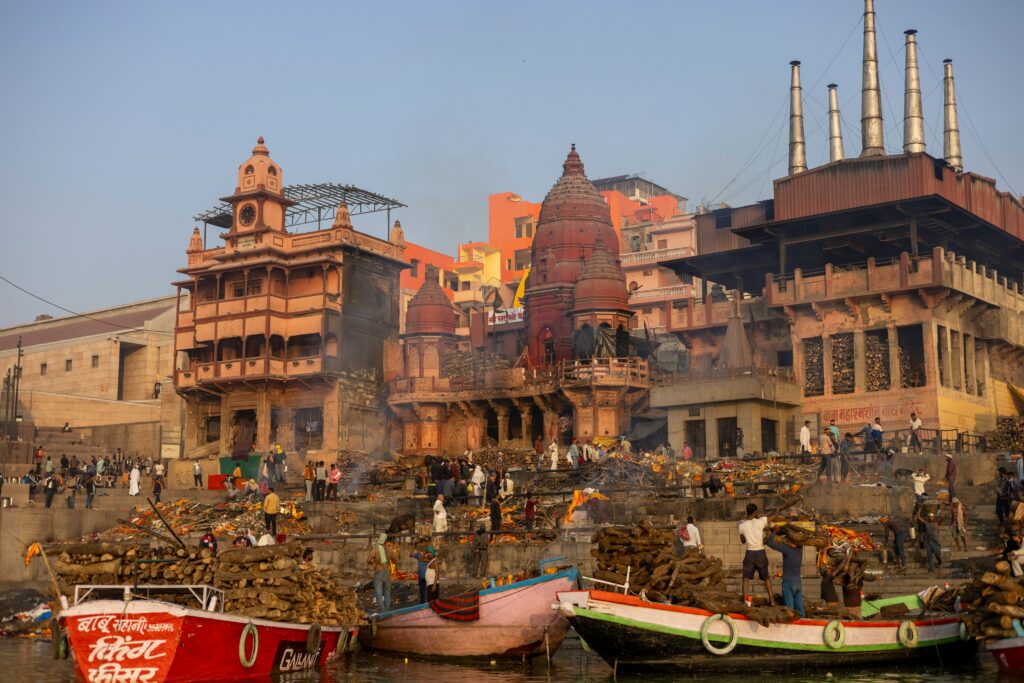
Visiting Manikarnika confronts you with raw, unfiltered reality. The Varanasi ghats generally overflow with life, celebration, and devotion—but here, life’s final act plays out continuously. Funeral pyres burn around the clock, with approximately 200-300 cremations occurring daily.
Wood smoke fills the air, mingling with incense and the river breeze. Families conduct final rites for their loved ones with solemn dignity. The Dom Raja’s family, who have held the hereditary right to tend the sacred fire for centuries, oversee the cremations with ritualistic precision.
For many visitors, witnessing these cremations becomes a profoundly transformative experience. It strips away illusions about permanence, forcing contemplation of life’s ephemeral nature. Yet paradoxically, the atmosphere isn’t one of despair—there’s acceptance, even celebration, in these rituals. Hindus believe that souls departing from Manikarnika escape the wheel of samsara, making this a moment of ultimate liberation.
Respectful Observation
Photography is strictly prohibited at Manikarnika Ghat, and visitors should observe with utmost respect and discretion. This isn’t a tourist attraction but a sacred space where families bid final farewells to their loved ones. Silence, modest dress, and maintaining distance are essential.
The cremation grounds operate under traditional rules maintained by the Dom Raja and his community. While their work is essential and sacred, they also request donations from families and visitors—a practice that can feel commercialized but reflects the economic realities of maintaining this ancient tradition.