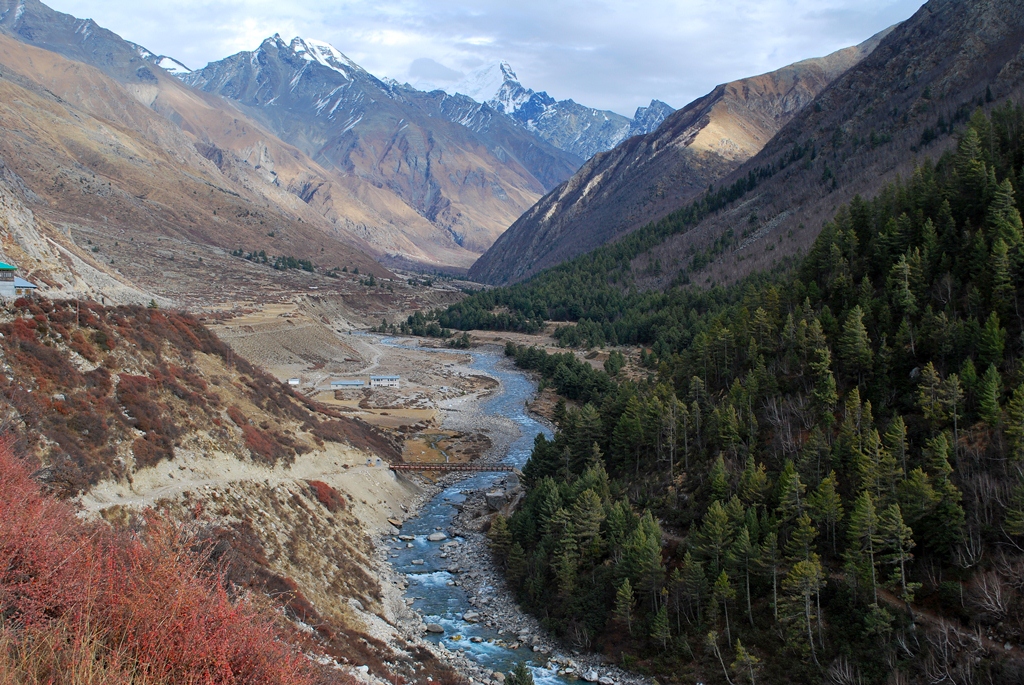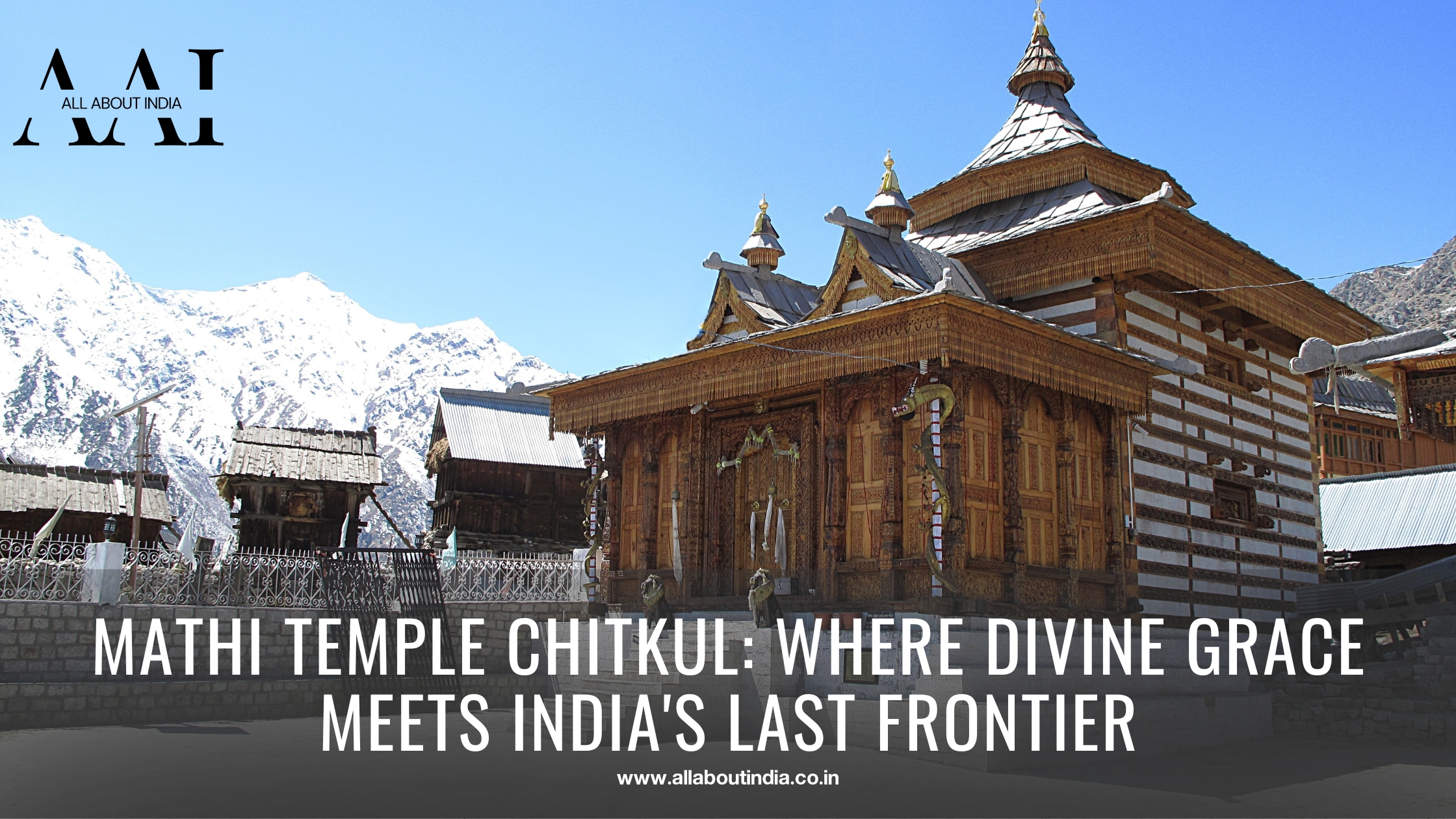
Perched at an altitude of 3,450 meters in the breathtaking Kinnaur district of Himachal Pradesh, the Mathi Temple Chitkul stands as a testament to centuries of unwavering faith and cultural heritage. This ancient shrine, dedicated to Goddess Mathi Devi, holds a special place in the hearts of locals and travelers alike, serving as the spiritual guardian of Chitkul—India’s last inhabited village before the Indo-Tibetan border.
The temple’s weathered wooden beams whisper tales of divine intervention, legendary journeys across the Himalayas, and the enduring bond between a goddess and her people. Whether you’re a spiritual seeker, history enthusiast, or mountain wanderer, Mathi Temple Chitkul offers an experience that transcends ordinary tourism.
The Sacred Legend of Mathi Devi: A Divine Journey Across the Himalayas
The story of Mathi Temple Chitkul begins with a remarkable journey that has been passed down through generations in the valleys of Kinnaur. According to local folklore, Goddess Mathi Devi undertook an arduous pilgrimage from the sacred lands of Vrindavan, traveling through Mathura, Garhwal, and Badrinath before finally reaching the remote heights of Chitkul.
The Goddess Who Chose the Mountains
Legend speaks of how Mathi Devi, believed to be the divine consort of Lord Badrinath, set out on a mission to protect the seven divisions of the Kinnaur valley. As she journeyed through the rugged Himalayan terrain, she appointed guardians for each region she passed—assigning responsibilities to family members and local deities who would watch over the land in her name.
At Chasu village, she entrusted her nephew Narenas with protection duties. When she reached Kamru Fort, she found Lord Badrinath himself safeguarding the throne of Bushahr. In Rakchham, she appointed Shamshares as guardian, while Barang Nag was given charge of Rupin Ghati. After securing all these divisions, the goddess finally arrived at Chitkul and made it her permanent abode.
The Transformation of Chitkul
Local belief holds that Mathi Temple Chitkul became the focal point of prosperity and abundance after the goddess’s arrival. The once-struggling village transformed into a thriving community—crops flourished, cattle found better grazing lands, and the people experienced unprecedented well-being. This transformation cemented Mathi Devi’s position as the beloved protector of Kinnaur, with her influence extending far beyond Chitkul’s boundaries.
Even today, villagers credit the goddess with safeguarding their homes during natural disasters, harsh winters, and challenging times. Her presence is felt in every aspect of daily life in this remote Himalayan settlement.
Architectural Marvel: The Kath-Kuni Style of Mathi Temple Chitkul
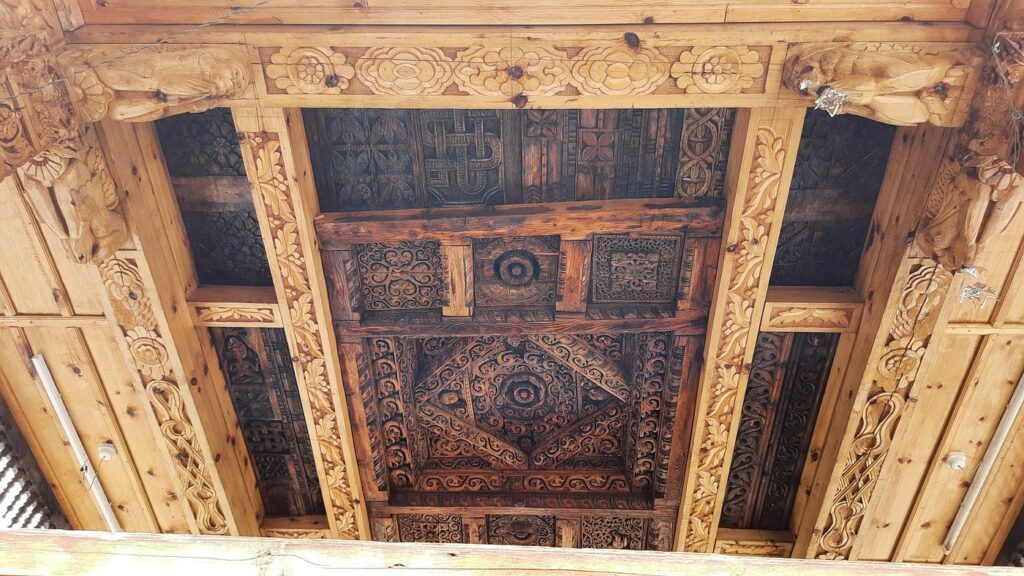
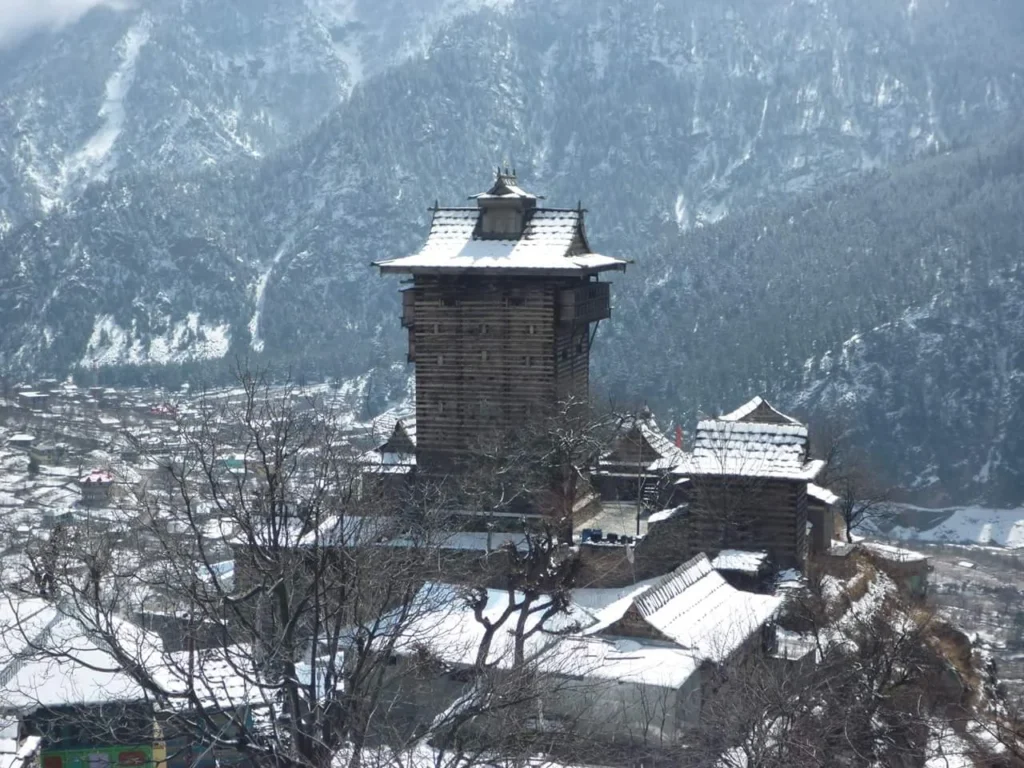
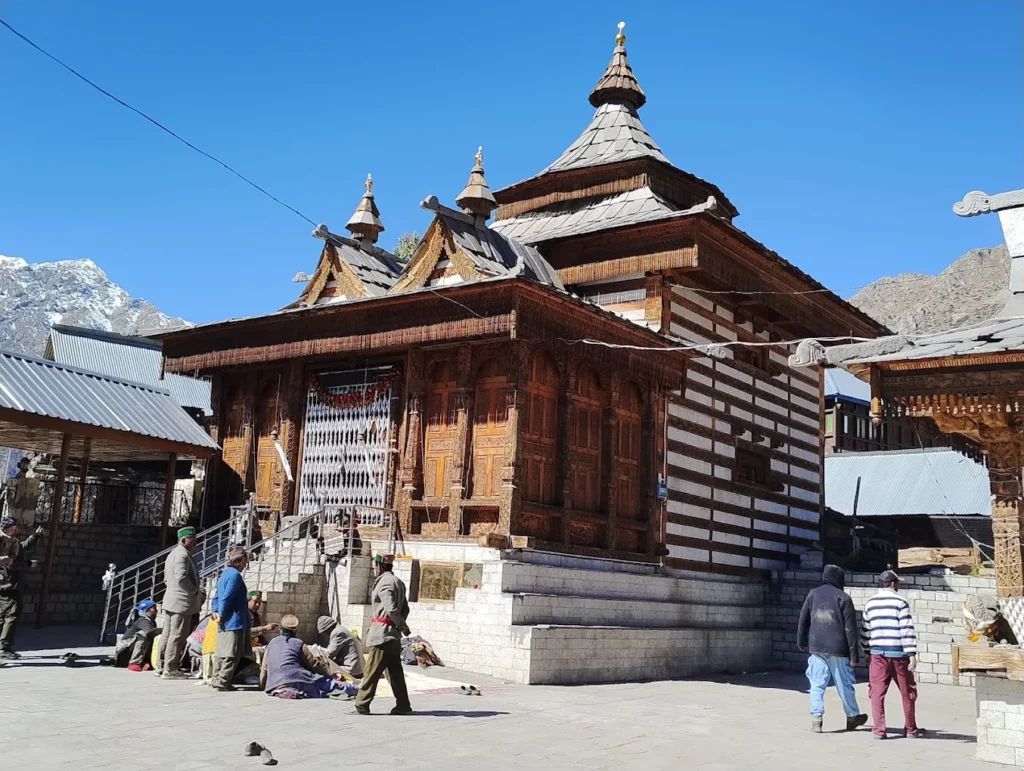
The Mathi Temple Chitkul showcases the distinctive Kath-Kuni architectural style—a traditional Himalayan building technique that has survived for centuries in these mountain regions. This unique construction method combines earthquake-resistant design with aesthetic beauty, creating structures that harmonize perfectly with the surrounding landscape.
Understanding Kath-Kuni Architecture
The temple’s construction employs alternating layers of stone and deodar wood, bound together without the use of nails or modern fasteners. This ingenious technique allows the structure to flex during seismic activity, making it remarkably stable despite its location in an earthquake-prone region. The walls are thick, providing excellent insulation against the extreme cold that grips Chitkul for much of the year.
Intricate Woodwork and Divine Symbols
What truly sets Mathi Temple Chitkul apart is its exquisite wooden craftsmanship. The temple’s exterior features intricate carvings that depict various mythological scenes, floral patterns, and traditional Kinnauri motifs. Dragon-like figures adorn the doorways and corners—symbolic guardians that blend Buddhist and Hindu iconography, reflecting the cultural syncretism of the Kinnaur region.
The temple’s sloping roof, crafted from wooden planks and traditional tiles, is designed to shed heavy snow loads during the brutal winter months. Every architectural element serves both functional and aesthetic purposes, creating a structure that has withstood the test of time.
The Sacred Ark
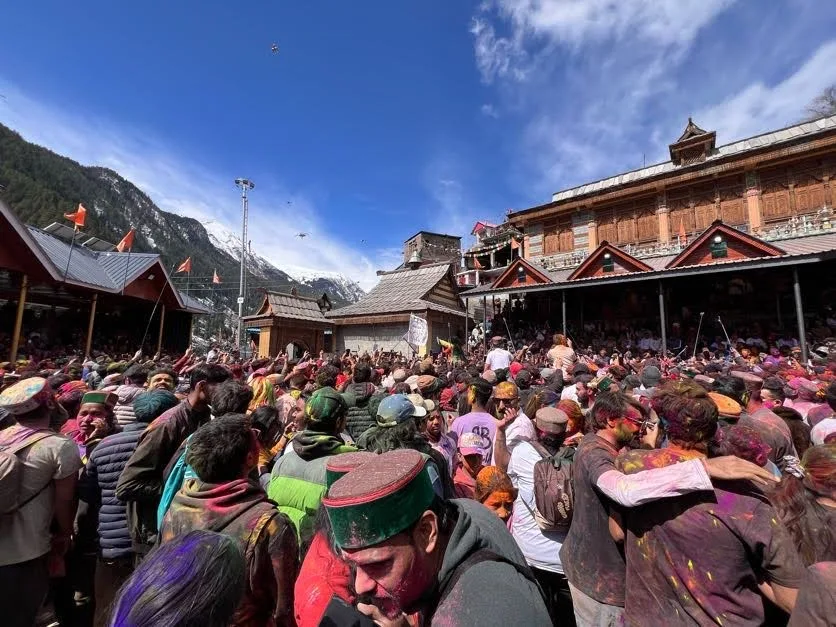
At the heart of the temple complex lies a remarkable artifact—a ceremonial ark crafted from walnut wood. This portable shrine houses the symbolic representation of Goddess Mathi Devi and is used during religious processions and festivals. The ark is adorned with layers of colorful cloth and decorated with a tuft of yak tail, signifying the goddess’s connection to the high Himalayan regions.
Two wooden poles are permanently attached to the ark, allowing devotees to carry it on their shoulders during special ceremonies. This ancient practice continues to this day, maintaining traditions that date back centuries.
The Three Temples Complex: A Sacred Trinity
The Mathi Temple Chitkul site actually consists of three separate temple structures, each with its own historical significance and spiritual energy. This trinity of shrines creates a powerful sacred space in the heart of the village.
The Ancient Shrine
The oldest of the three temples is believed to have been constructed around the 5th century BC, making it one of the most ancient religious structures in the Kinnaur region. Some historical accounts suggest it was built approximately 500 years ago by settlers from Garhwal, while local oral traditions claim even greater antiquity.
This primary shrine serves as the main worship center where daily rituals are performed. The sanctum sanctorum houses representations of Maha Kali, Maha Lakshmi, and Maha Saraswati—three manifestations of divine feminine energy that together embody the complete spectrum of spiritual power.
The Supporting Temples
The two newer temples, built in subsequent centuries, complement the main shrine and provide additional space for community gatherings and religious ceremonies. Together, these three structures create a comprehensive temple complex that serves as the spiritual nucleus of Chitkul village.