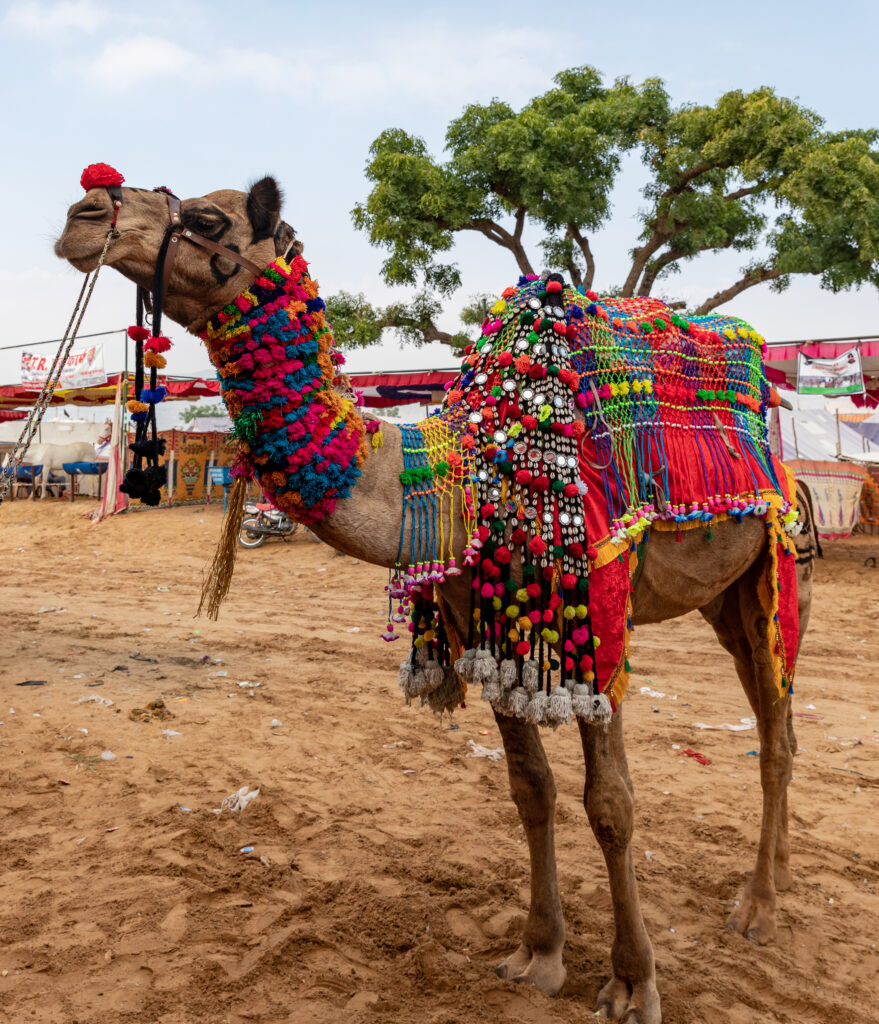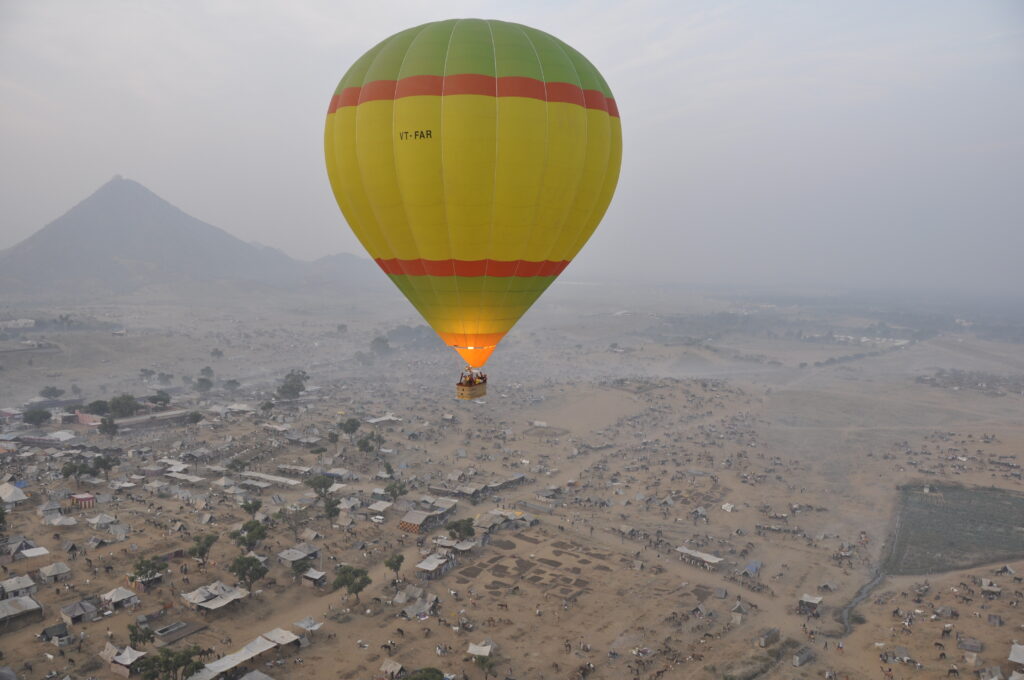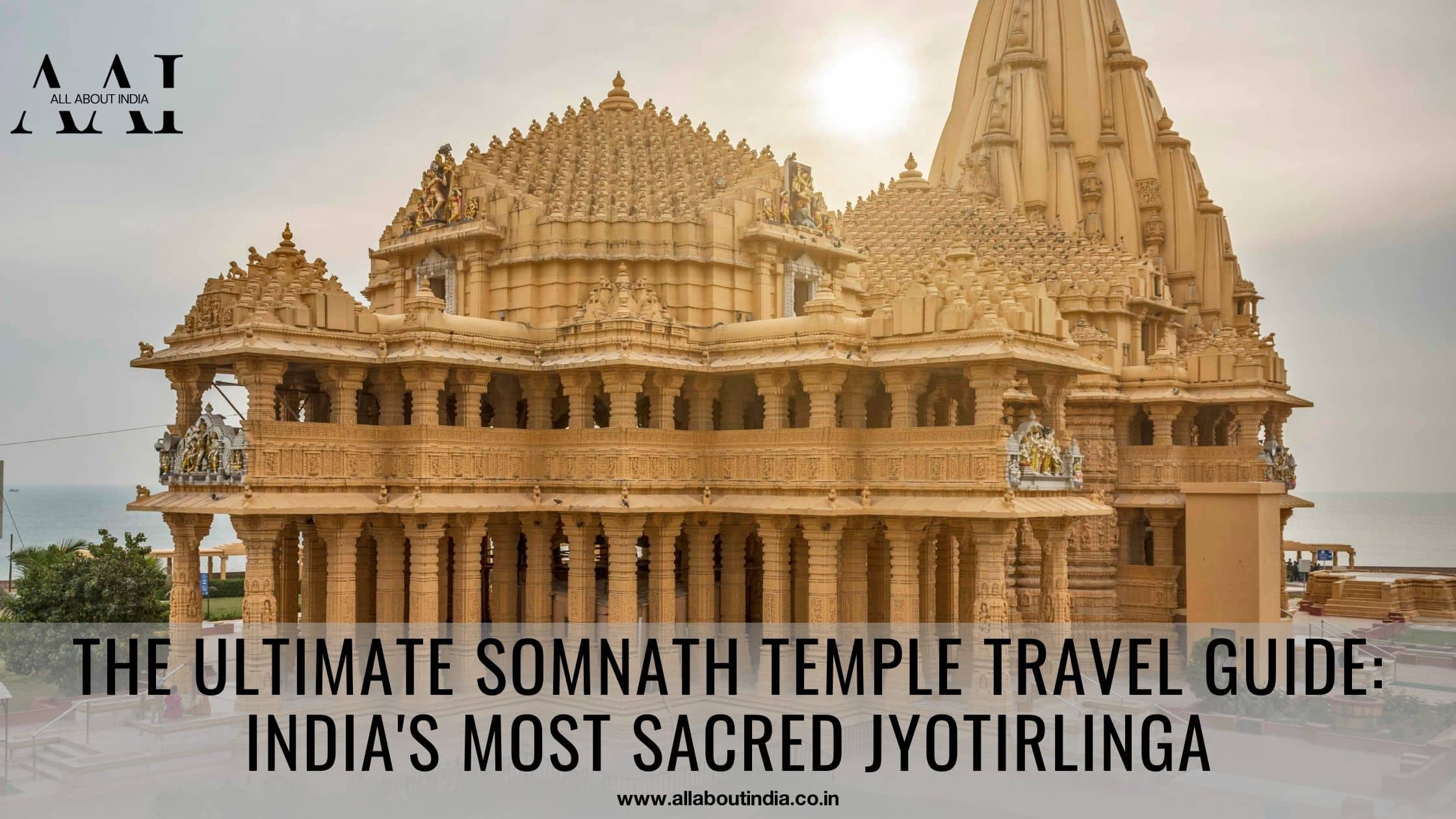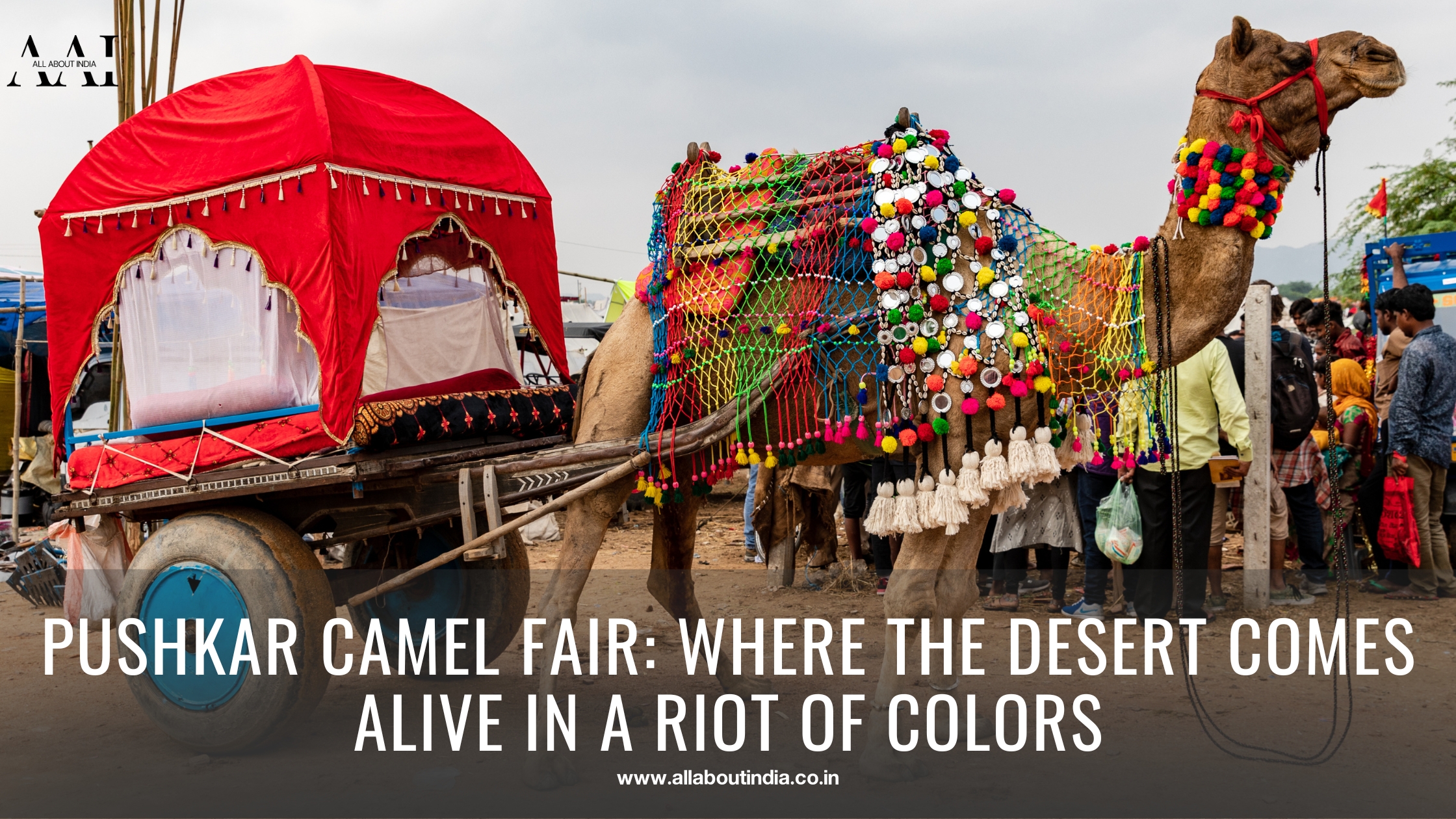
Imagine standing in the heart of the Thar Desert as dawn breaks over endless sand dunes. Thousands of camels adorned in vibrant fabrics, beads, and bells stretch as far as your eyes can see. The air fills with the rhythmic beats of Rajasthani folk music, the laughter of traders haggling over livestock, and the melodious chants of pilgrims bathing in sacred waters. This is not a dream—this is the magic of Pushkar Camel Fair, one of the world’s most spectacular cultural celebrations.
The Pushkar Camel Fair, also known as Pushkar Mela or Kartik Mela, transforms the tiny desert town of Pushkar in Rajasthan into a thriving carnival every November. What began centuries ago as a simple livestock trading gathering has evolved into a magnificent fusion of commerce, culture, spirituality, and celebration that attracts over 200,000 visitors from across the globe.
For seven extraordinary days, this ancient pilgrimage town becomes a vibrant tapestry of Rajasthani tradition—where camel traders from distant villages meet international travelers, where sacred Hindu rituals unfold alongside camel races and mustache competitions, where the mystical and the mundane dance together under the desert sky.
Whether you’re seeking spiritual awakening at the sacred Pushkar Lake, wanting to witness traditional Rajasthani culture in its most authentic form, hoping to capture stunning photographs of decorated camels and colorful crowds, or simply looking for an adventure that transcends ordinary tourism, the Pushkar Camel Fair promises an experience you’ll treasure forever.
The Legend and History: How Pushkar Camel Fair Began
Every great festival has an origin story, and the Pushkar Camel Fair is no exception. The fair’s roots are deeply intertwined with Hindu mythology and the sacred geography of Pushkar itself.
The Divine Creation of Pushkar
According to ancient Hindu legend, Lord Brahma—the creator deity—was engaged in a fierce battle with the demon Vajra Nabha who was terrorizing innocent people and killing children. During the combat, Brahma wielded a lotus flower as his divine weapon. As the battle reached its climax, three petals from the lotus fell from his hands to earth.
Where these petals touched the ground, water miraculously sprouted, creating three sacred lakes. The primary lake formed in what is now the town of Pushkar, deriving its name from “pushpa” (flower) and “kar” (hand)—literally meaning “the lotus from the hand.”
Recognizing the divinity of this location, Lord Brahma performed a grand yajna (ritual sacrifice) on the banks of this newly formed lake to consecrate it. This sacred ceremony transformed Pushkar into one of the holiest pilgrimage sites in Hinduism. To this day, Pushkar remains one of the very few places in the world with a temple dedicated to Lord Brahma, making it extraordinarily significant for Hindu devotees.
From Pilgrimage to Fair
The religious significance of Pushkar naturally drew thousands of pilgrims, especially during the auspicious month of Kartik in the Hindu lunar calendar. The full moon night of Kartik, known as Kartik Purnima, is considered especially holy. According to belief, all 33 crore (330 million) Hindu gods and goddesses descend to Pushkar Lake on this night, sanctifying its waters with divine presence.
Resourceful traders recognized an opportunity in this annual congregation of pilgrims. They began bringing their livestock—particularly camels, which were essential for desert transportation and agriculture—to sell to the visiting crowds. What started as informal trading gradually evolved into an organized livestock fair.
The Evolution into a Cultural Extravaganza
By the 19th century, the Pushkar Camel Fair had become well-established as a major livestock market, with nomadic communities like the Rabari and Raika traveling from across Rajasthan to trade their animals. These pastoral groups, who spent most of the year wandering the desert with their herds, used this annual gathering as both an economic opportunity and a social event.
Over the decades, the fair expanded beyond mere commerce. Cultural performances, competitions, and entertainment were added to attract more visitors and celebrate Rajasthani heritage. The government of Rajasthan recognized the fair’s tourism potential and began organizing official events, competitions, and cultural programs.
Today, the Pushkar Camel Fair has evolved into a UNESCO-recognized cultural phenomenon that perfectly balances its ancient spiritual roots with contemporary celebration, drawing visitors from every corner of the planet while maintaining its authentic Rajasthani character.
Pushkar Camel Fair: Dates and Festival Schedule
Planning your visit to the Pushkar Camel Fair requires understanding its timing and structure. The fair follows the Hindu lunar calendar, so dates vary each year.
Understanding the Fair’s Rhythm
The Pushkar Camel Fair essentially unfolds in two distinct phases:
Phase 1: The Trading Days (First 4-5 days) This period focuses on commerce and livestock. The fairgrounds fill with thousands of camels, horses, cattle, and sheep. Traders set up camp, showcase their animals, and engage in intense bargaining. If you want to witness the true camel trading spectacle, arrive during these early days.
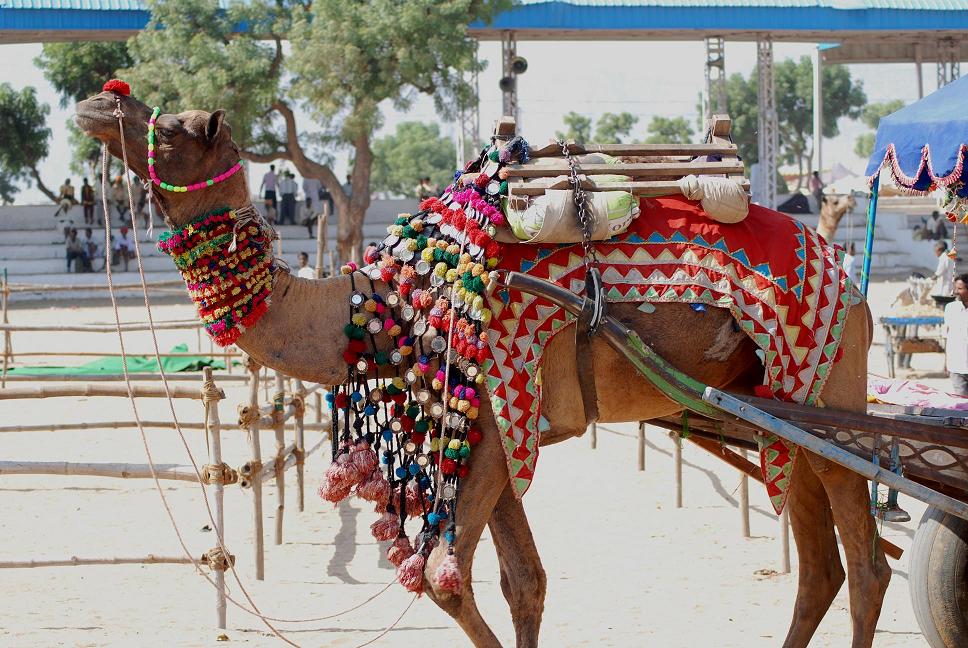
The atmosphere is wonderfully chaotic—dust rising from thousands of hooves, the sounds of animals and negotiations, the sight of decorated camels being paraded for inspection, and the camps of nomadic communities stretching across the desert landscape.
Phase 2: The Spiritual Climax (Final 2-3 days) As Kartik Purnima approaches, the fair’s character shifts from commercial to spiritual. Most livestock has been sold and traders begin departing, but pilgrims arrive in massive numbers. The focus moves to religious ceremonies, the sacred bath in Pushkar Lake, and devotional activities.
The government-organized cultural programs, including folk performances, competitions, and entertainment events, typically run throughout the week but reach their peak during the middle days of the fair.
Day-by-Day Festival Schedule
While the specific schedule is officially released closer to the event, the Pushkar Camel Fair typically follows this pattern:
Day 1 : Opening ceremony, livestock begins arriving, camel decoration competitions commence, cultural performances begin, evening Deepdaan (lamp offering) ceremony
Day 2 : Camel races, horse dance performances, traditional sports like kabaddi, folk music concerts, bustling livestock trading
Day 3 : Spiritual walks around Pushkar Lake, singing competitions, classical and contemporary music performances, handicraft shopping at its busiest
Day 4 : Marathon events, cricket matches, famous mustache and turban tying competitions, bridal dress competitions, Sufi night performances
Day 5 : Matka race (pot race), women’s competitions, Indian bride and groom contests, live music performances, peak cultural activities
Day 6 : Best of Rajasthan cultural showcase, classical dance performances at historic temples, preparation for Kartik Purnima
Day 7 : Sacred bathing in Pushkar Lake at dawn, grand Maha Aarti ceremony in the evening, spiritual processions, closing ceremonies
Pro Tip: For the complete Pushkar Camel Fair experience, plan to stay for at least 3-4 days, to witness both the livestock trading and the cultural programs at their peak, before the final spiritual climax.