Introduction
Indian mythology is one of the richest storytelling traditions in the world. These indian mythological stories explain the origins of values, festivals, rituals and cultural practices followed even today. For centuries, these narratives have shaped how people understand devotion, duty, justice, loyalty and the balance between good and evil.
From the Ramayana and Mahabharata to regional folklore that varies across states, these indian mythological stories continue to influence literature, performing arts, temple rituals and everyday life. This guide explores some of the most meaningful stories and explains why they remain relevant in modern society.
Understanding the Role of Mythology in Indian Culture
Mythology in India is not viewed simply as fiction. Instead, many indian mythological stories act as frameworks that help communities understand ethical choices, divine qualities and human emotions. Temples, festivals, dances and classical music often draw directly from these narratives.
These stories also serve as cultural memory, preserving traditions and values for generations. Whether told orally, written in scriptures or performed in dance forms, indian mythological stories remain part of India’s living heritage.
1. The Story of Rama – The Symbol of Ideal Conduct
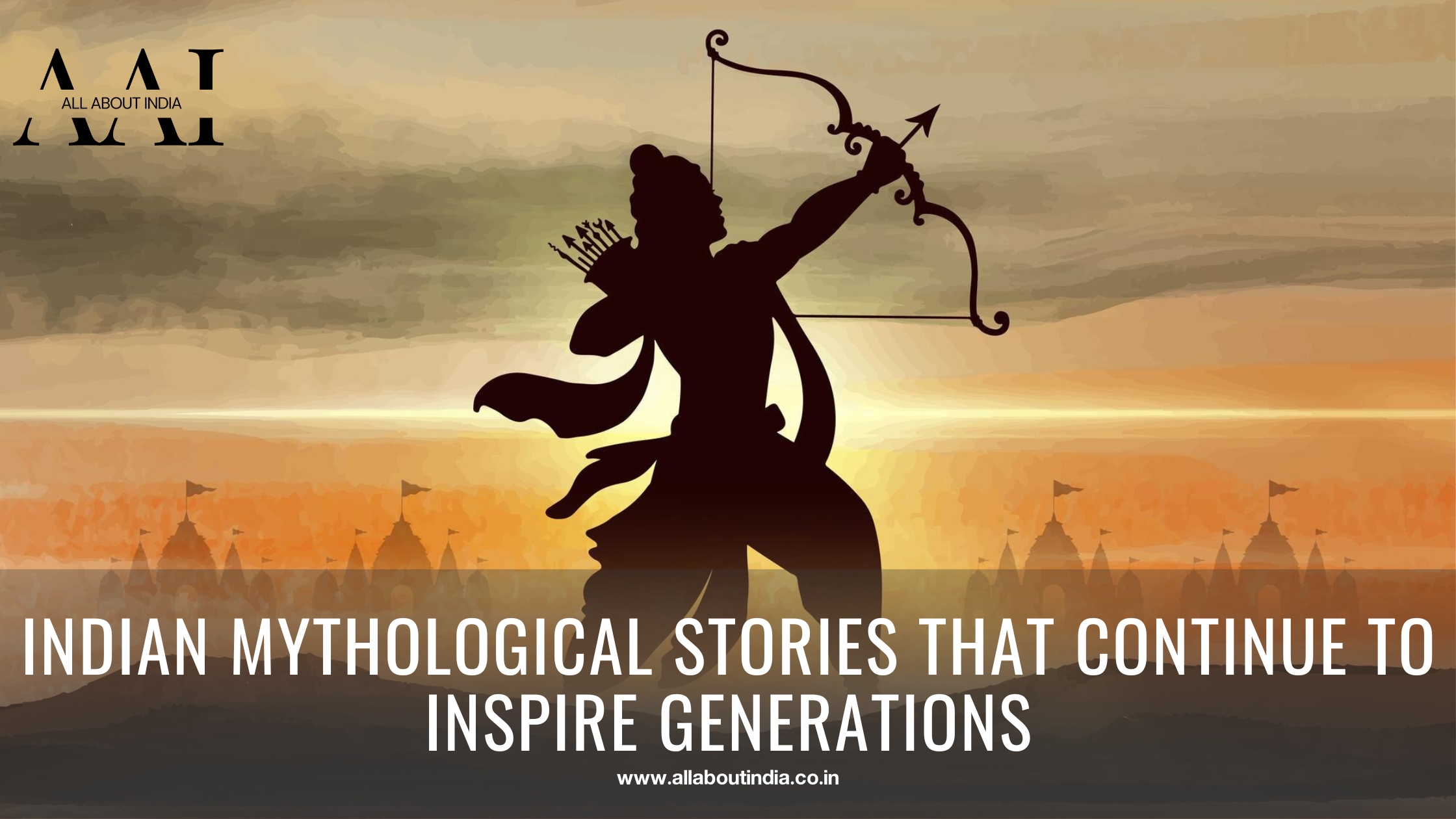
One of the most widely known indian mythological stories is the narrative of Rama from the Ramayana. Rama represents righteousness, discipline and devotion to duty. His journey from Ayodhya to Lanka teaches lessons about responsibility, humility and moral strength.
Sita’s dedication, Lakshmana’s loyalty and Hanuman’s devotion add depth to the narrative. Festivals like Diwali and Dussehra continue because of events from this story, proving how deeply it shapes Indian cultural identity.