Introduction
Delhi is not just a capital city. It is a living museum that carries the remains of empires, dynasties and civilizations that ruled India for over a thousand years. Every part of the city reveals layers of history, from ancient settlements to Mughal grandeur and British colonial influence. For travelers and history enthusiasts, exploring historical places to visit in delhi offers a deeper understanding of how India’s political, cultural and architectural identity evolved over centuries.
Unlike cities where history is confined to museums, Delhi’s past exists in open spaces, active neighborhoods and functioning monuments. This guide covers the most important historical places to visit in delhi, explaining not only what they are, but why they matter and what visitors should expect today.
Why Delhi Is India’s Most Important Historical City
Delhi has served as the capital for several powerful dynasties including the Delhi Sultanate, the Mughals and the British. Each ruler left behind monuments, forts, tombs and public spaces that continue to define the city’s landscape.
What makes historical places to visit in delhi unique is the concentration of heritage within a single city. From 12th-century structures to 20th-century memorials, Delhi presents a continuous timeline of Indian history. This makes it one of the most significant destinations for anyone seeking to understand the country’s past.
Historical Places to Visit in Delhi
Red Fort
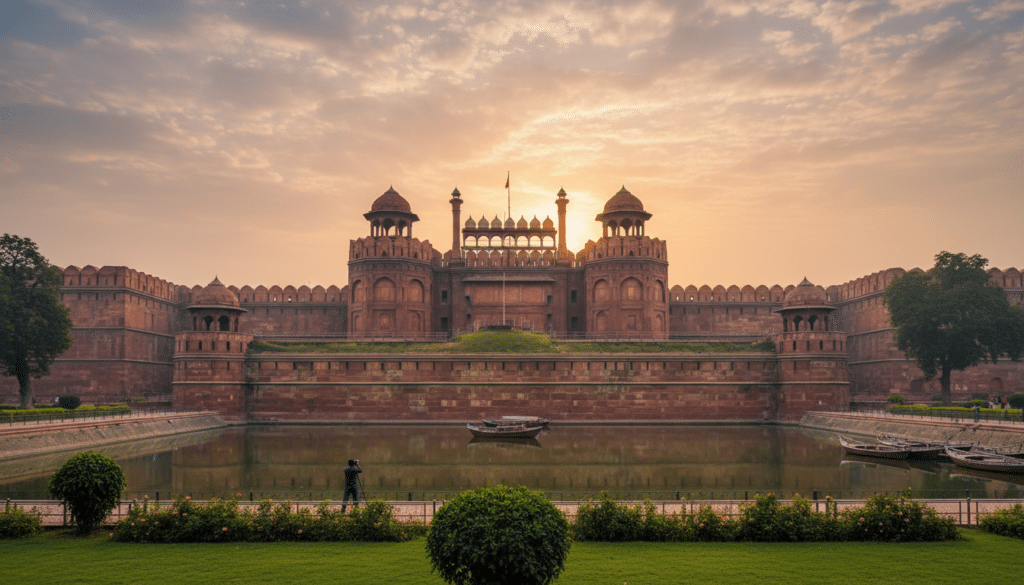
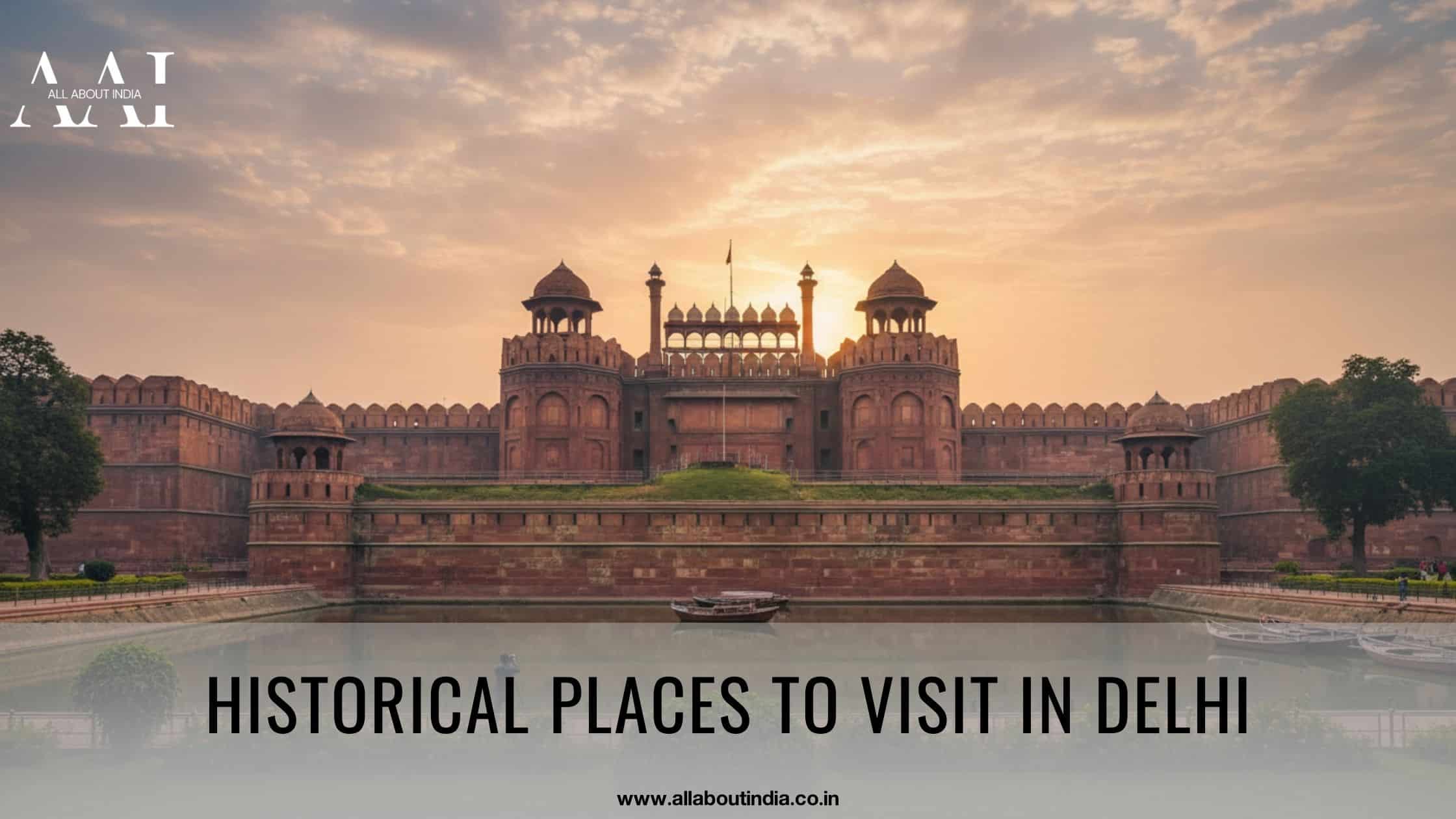
The Red Fort stands as a symbol of Mughal authority and imperial power. Built by Emperor Shah Jahan in the 17th century, the fort served as the main residence of Mughal emperors for nearly 200 years.
Today, visitors walk through massive sandstone gates, courtyards and palaces that once hosted royal ceremonies. The fort remains one of the most important historical places to visit in delhi because it connects India’s Mughal past with modern national identity.
Qutub Minar and the Qutub Complex
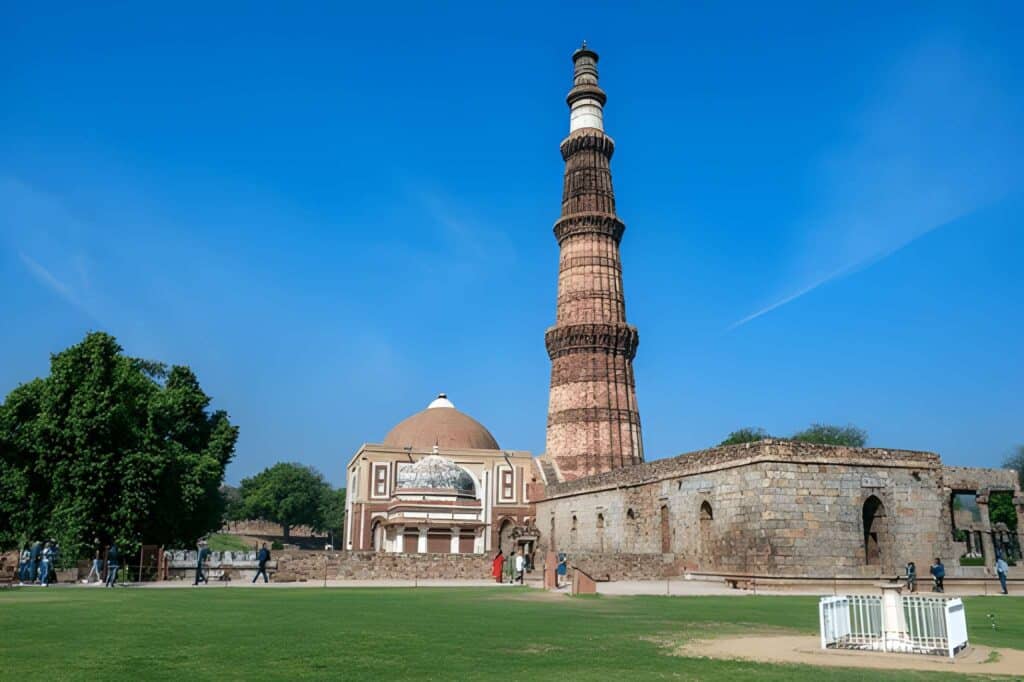
Qutub Minar is among the oldest surviving Islamic monuments in India. Constructed in the early 13th century, it represents the establishment of Islamic rule in northern India.
The surrounding complex includes ancient mosques, tombs and pillars that reflect early Indo-Islamic architecture. This site is one of the most significant historical places to visit in delhi due to its architectural innovation and historical depth.
Humayun’s Tomb
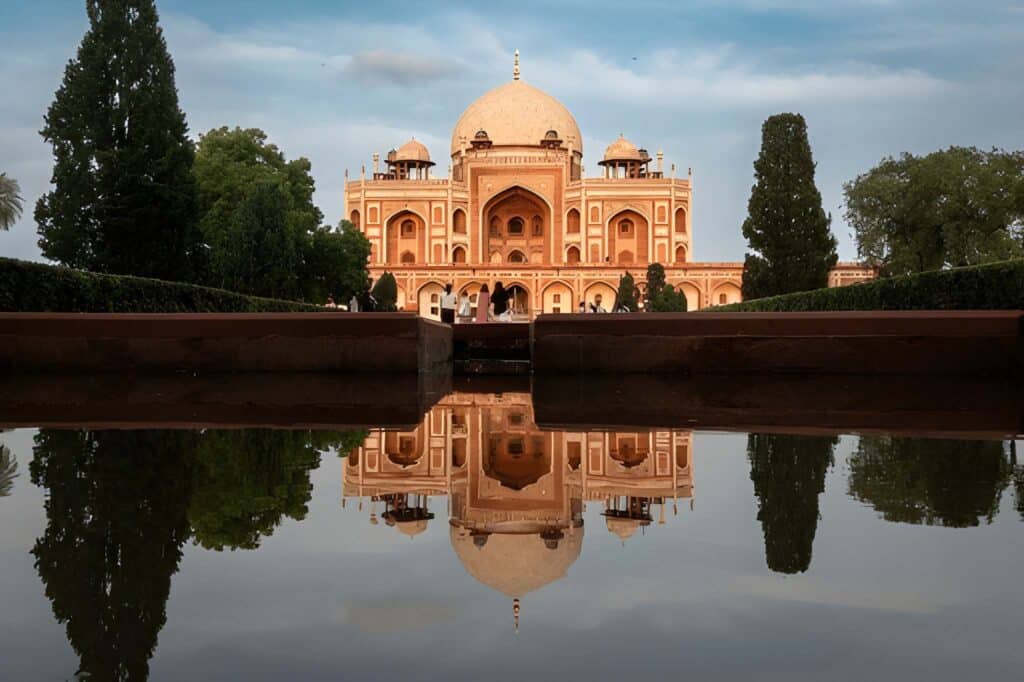
Humayun’s Tomb is often described as the architectural predecessor to the Taj Mahal. Built in the 16th century, it introduced the garden tomb concept to India.
Set within a symmetrical garden, the monument reflects Mughal ideals of paradise and balance. It remains one of the most admired historical places to visit in delhi for both architecture and peaceful surroundings.
Purana Qila
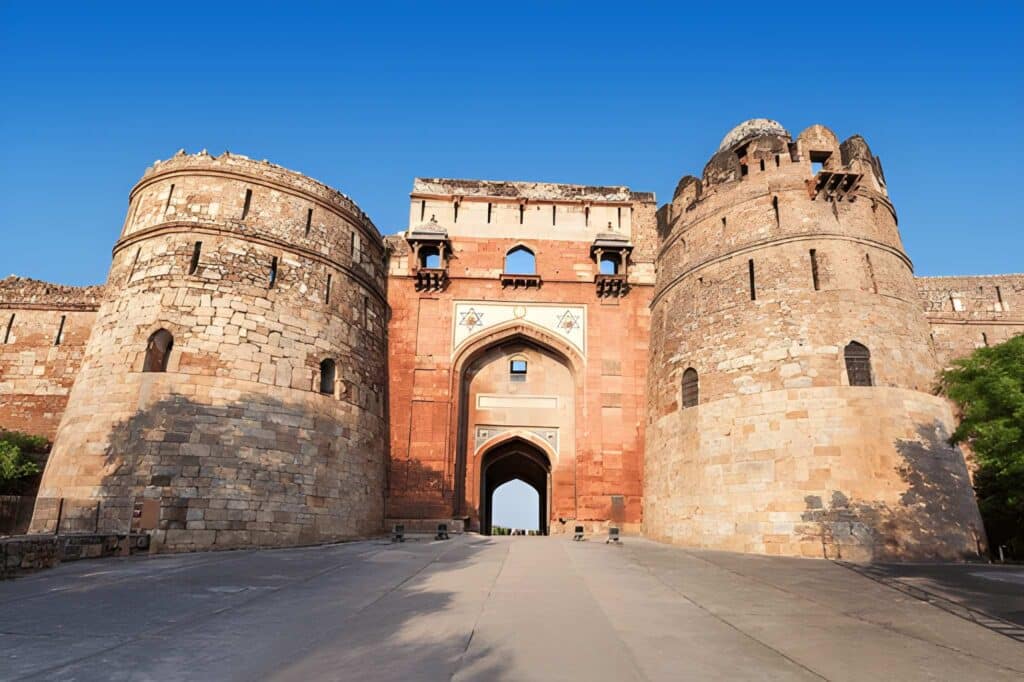
Purana Qila is believed to be connected to the ancient city of Indraprastha mentioned in the Mahabharata. Although much of the fort dates to the Mughal period, archaeological evidence suggests older settlements beneath it.
The fort’s massive walls, gateways and internal lake make it one of the most intriguing historical places to visit in delhi, especially for those interested in ancient Indian history.
Jama Masjid
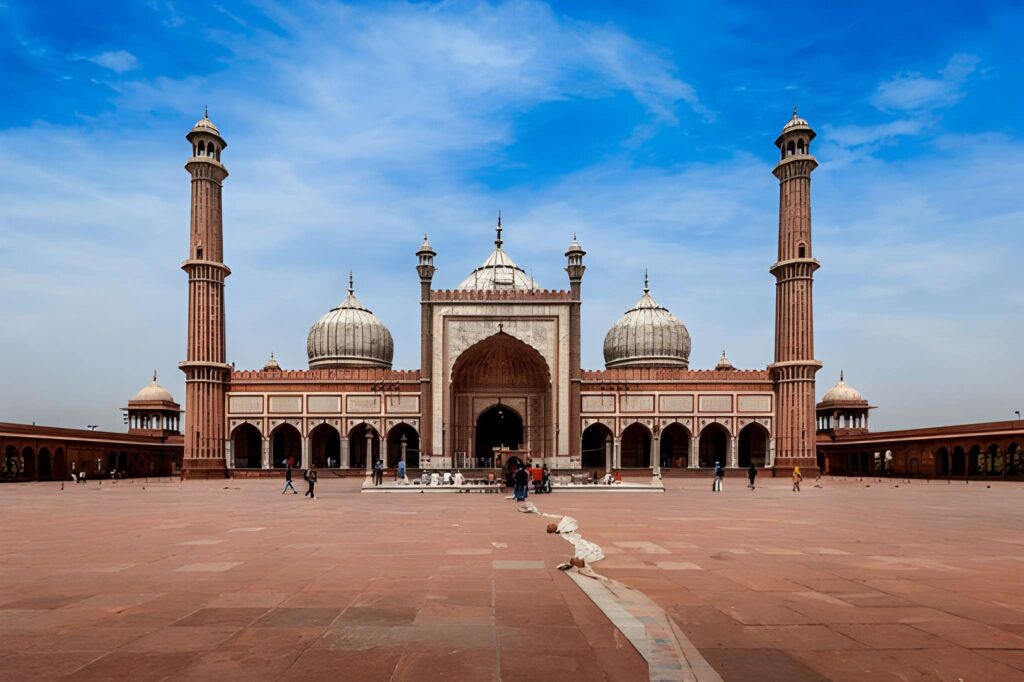
Jama Masjid is one of the largest mosques in India and a masterpiece of Mughal architecture. Built by Shah Jahan, it continues to function as an active place of worship.
Its vast courtyard, towering minarets and detailed stonework make it one of the most visited historical places to visit in delhi. Visitors should dress modestly and respect prayer timings.
India Gate
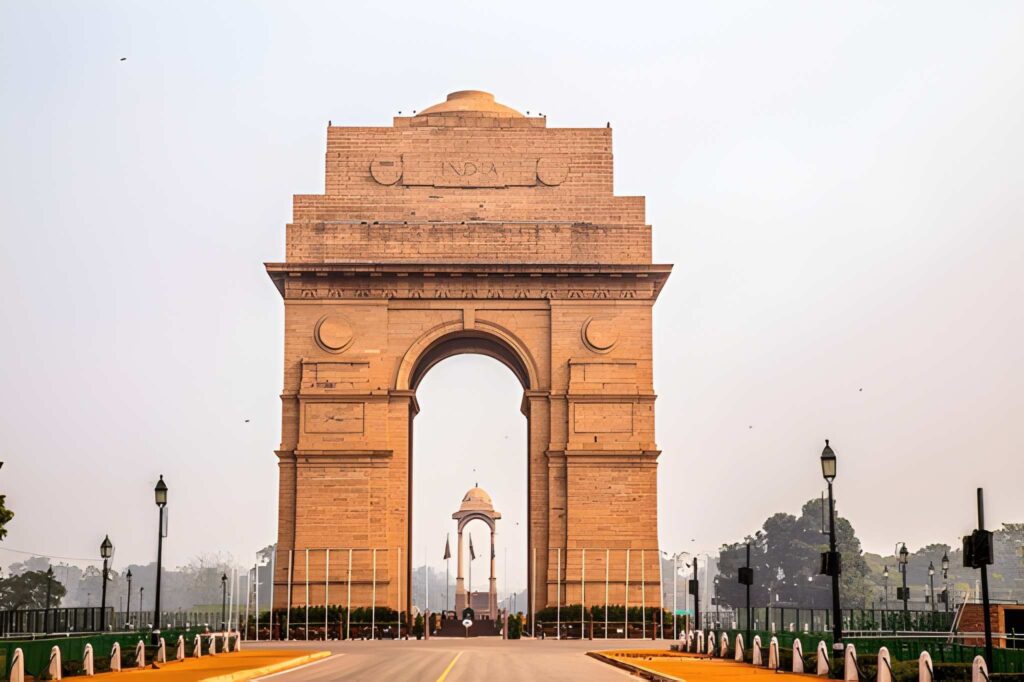
India Gate was built during the British colonial period as a war memorial for Indian soldiers who died during World War I.
While many see it as a recreational spot, it holds deep historical significance. As one of the modern historical places to visit in delhi, it represents sacrifice, remembrance and national pride.
Safdarjung Tomb
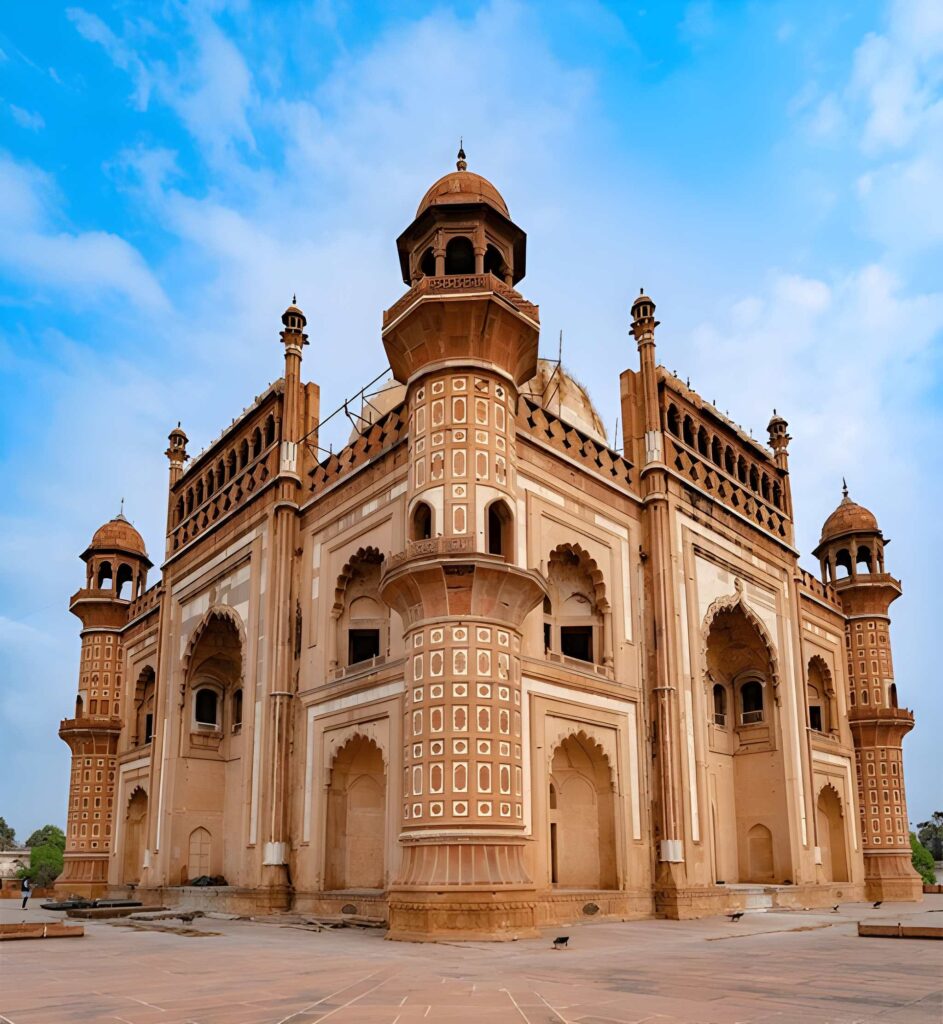
Safdarjung Tomb marks the end of Mughal architectural dominance. Built in the 18th century, it reflects a transition in design quality and resources.
Less crowded than major monuments, it is one of the quieter historical places to visit in delhi for those seeking reflection and architectural study.
Lodhi Gardens and Lodhi-Era Tombs
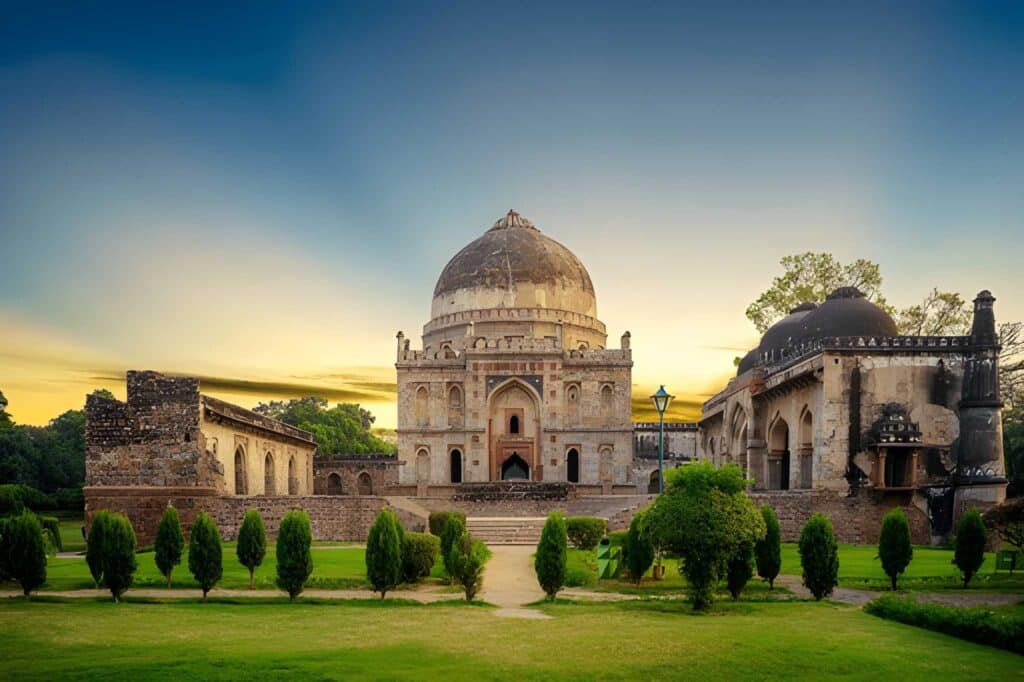
Lodhi Gardens combine history with green open space. The tombs within the garden belong to rulers of the Lodhi dynasty who ruled before the Mughals.
This site remains one of the most relaxing historical places to visit in delhi, offering a rare mix of heritage and nature.
Agrasen Ki Baoli
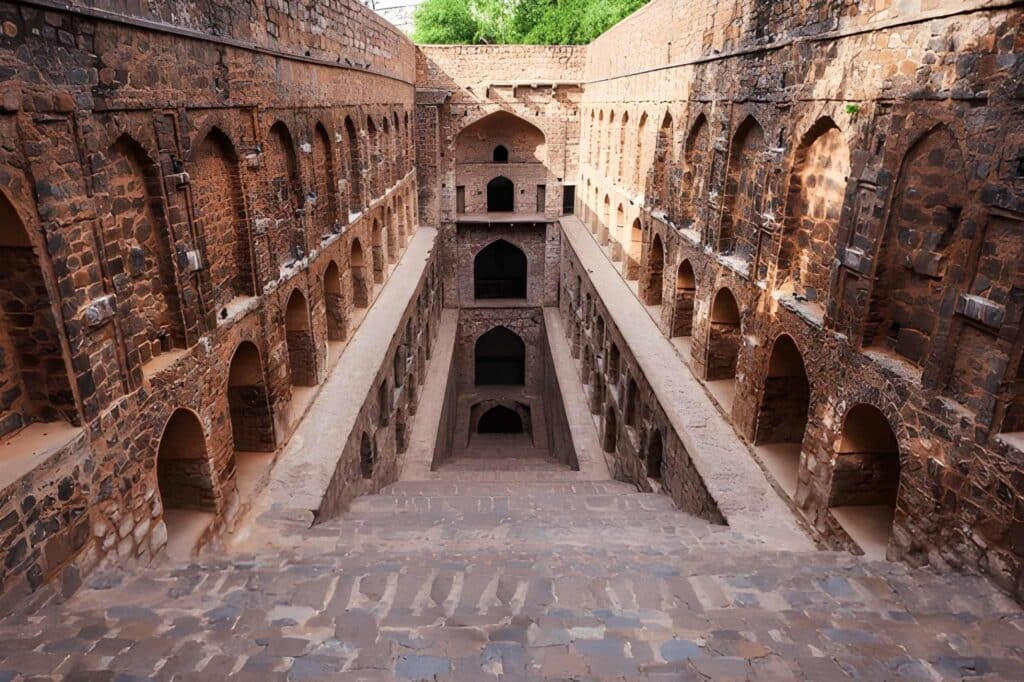
Agrasen Ki Baoli is a historic stepwell located near Connaught Place. Its exact origins remain unclear, but it reflects ancient water conservation methods.
The structure’s symmetry and depth make it one of the most visually striking historical places to visit in delhi.
Raj Ghat
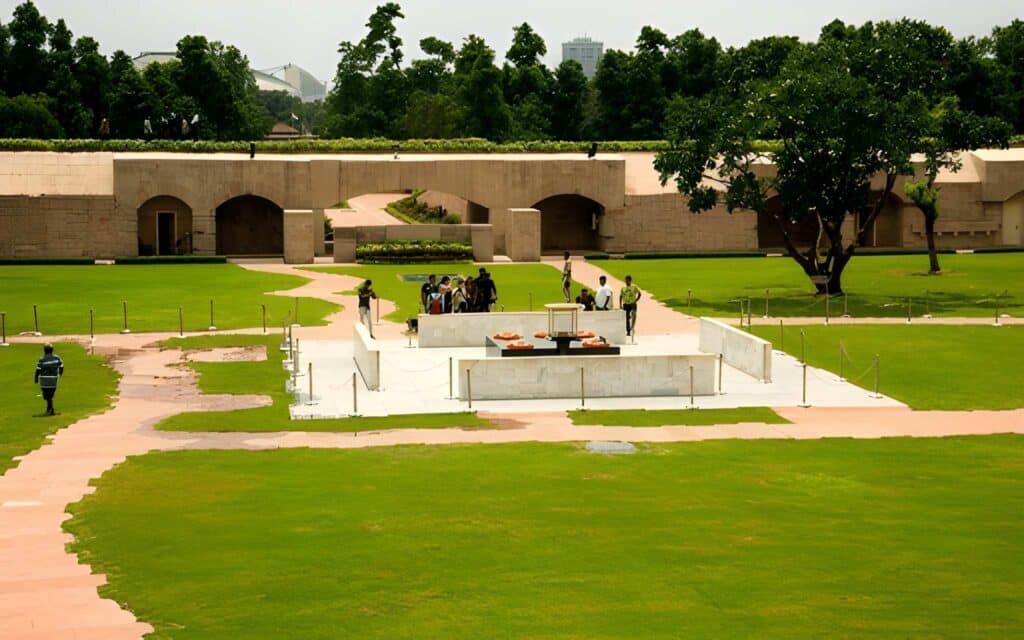
Raj Ghat is the memorial of Mahatma Gandhi, marking the site of his cremation. Unlike architectural monuments, its importance lies in emotional and national significance.
Visiting Raj Ghat is essential for understanding modern Indian history and makes it one of the most meaningful historical places to visit in delhi.
Best Time to Visit Historical Places in Delhi
The best time to explore historical places to visit in delhi is between October and March when the weather is pleasant. Summers can be extremely hot, making outdoor exploration difficult.
Early mornings and weekdays are ideal to avoid crowds and enjoy monuments peacefully.
Tips for Visiting Historical Places in Delhi
Wear comfortable footwear as many sites require walking. Start early to cover multiple monuments in a single day. Carry water, especially during warmer months.
Photography rules vary, so check guidelines at each site. When visiting religious monuments, dress modestly and follow local customs.
Who Should Visit These Historical Places
These historical places to visit in delhi are ideal for students, families, researchers and first-time visitors. History lovers will appreciate the depth, while casual travelers will enjoy the visual and cultural experience.
Delhi’s heritage offers learning opportunities for all age groups.
Conclusion
Delhi’s historical monuments tell stories of ambition, devotion, conflict and resilience. Exploring historical places to visit in delhi allows travelers to connect with India’s past in a direct and meaningful way.
From ancient forts to colonial memorials, each site adds a chapter to the city’s long and complex history. A visit to these places is not just sightseeing, but an exploration of India’s identity across centuries.