
Introduction
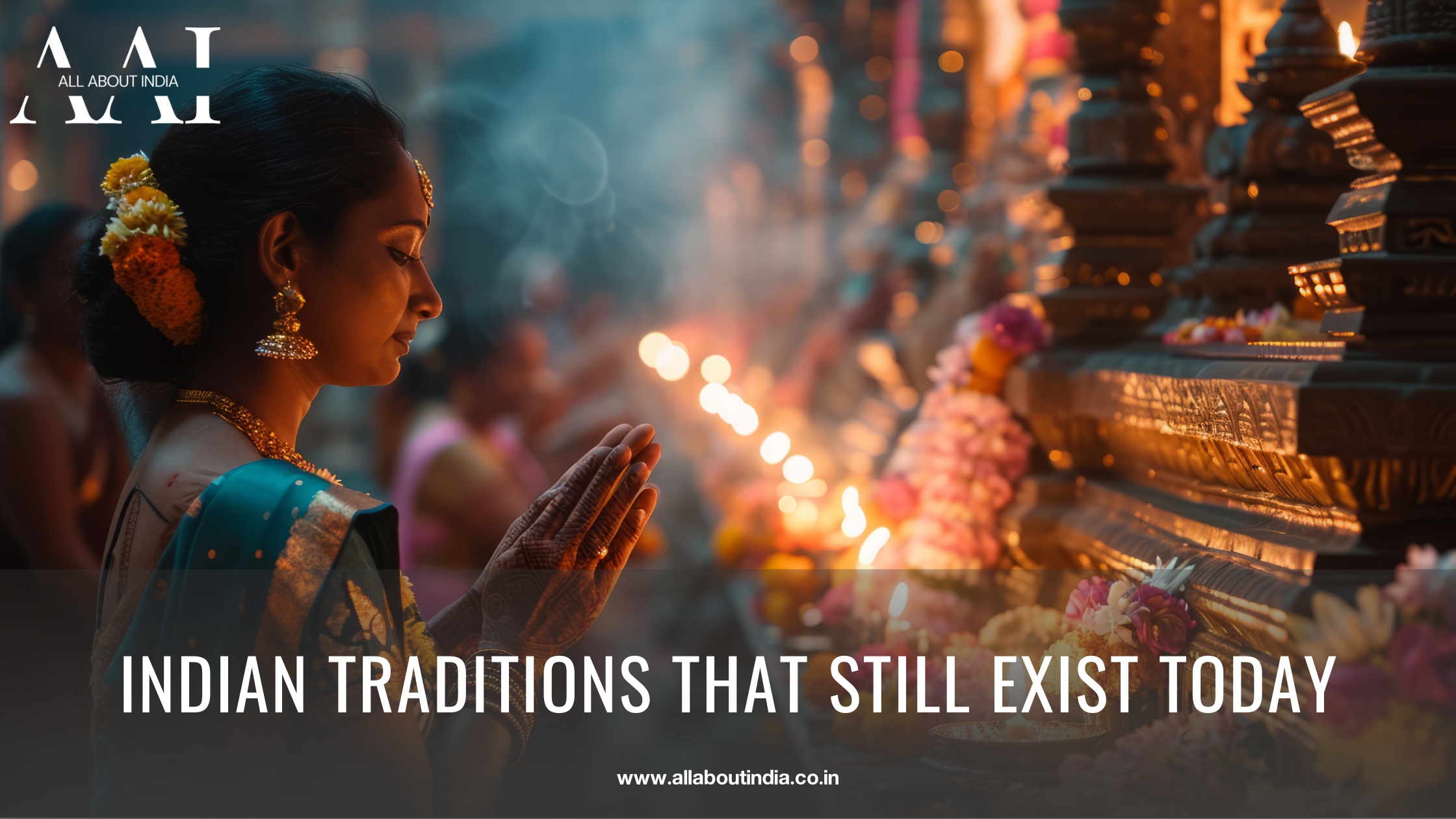
India’s cultural identity is shaped by practices that have been refined, preserved and passed down for generations. Even in a rapidly modernizing world, there are indian traditions that still exist in daily life, family structures, festivals and community rituals. These traditions are more than symbols of the past. They continue to influence how people celebrate, worship, cook, gather and express identity. This guide explores the origins, meaning and present relevance of these practices so travelers and readers can understand how deeply tradition is woven into everyday Indian life.
Indian culture is not limited to festivals or ceremonies. Many indian traditions that still exist today are connected to ideas of respect, community and living in harmony with nature. By studying these practices closely, travelers gain insight into the values that have shaped Indian society for centuries.
1. Touching Feet as a Gesture of Respect
Touching the feet of elders is one of the indian traditions that still exist across homes, ceremonies and family events. This gesture is not only about respect, but also about acknowledging the experience of elders.
In many households, children greet parents and grandparents by bending down and touching their feet. Elders respond with a blessing, which often contains a wish for protection or well-being. The practice continues because it strengthens family bonds and reflects a culture where elders are valued.
2. Lighting the Lamp Before Starting Something Important
Lighting a lamp before beginning a new task is a tradition rooted in the idea of starting with clarity and positive energy. This practice remains common during festivals, school ceremonies, official events and even at home during evening rituals.
This is one of the indian traditions that still exist because a lamp symbolizes knowledge and guidance. The ritual is simple but carries deep cultural significance because it marks an auspicious beginning.
3. Applying Tilak or Kumkum
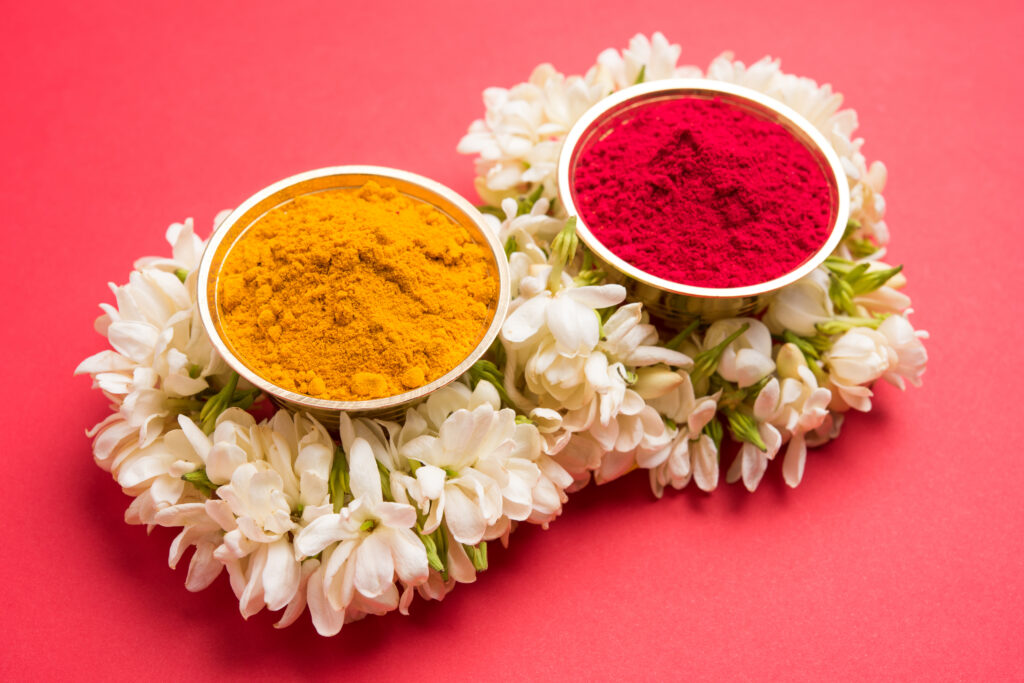
Applying a tilak on the forehead has ancient origins and is still practiced during religious events, weddings, home rituals and temple visits.
The tilak is believed to activate clarity and focus, but it also serves as a cultural identifier during festivals and community gatherings. This practice remains one of the indian traditions that still exist due to its symbolic and ritual value.
4. Eating Meals Together as a Family
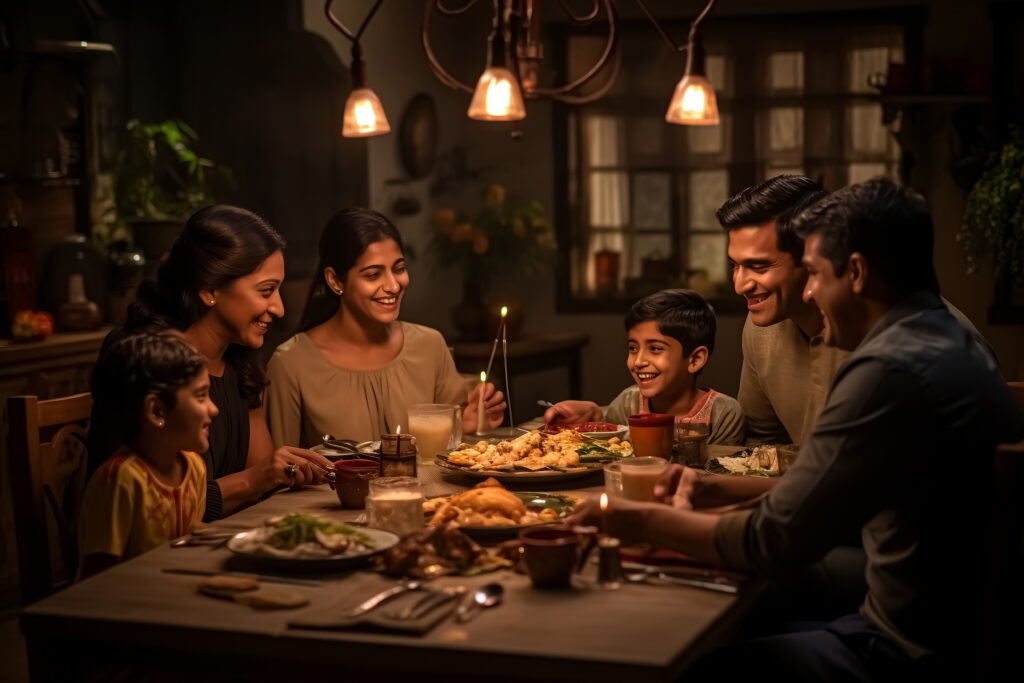
In many homes, families still gather to eat at least one meal together. This tradition emphasizes togetherness and communication.
While lifestyles are changing, the importance of sitting together without distractions continues. Shared meals remain one of the indian traditions that still exist because they help maintain emotional bonds and strengthen mutual understanding among family members.
5. Traditional Indian Greetings
Greetings such as Namaste, Vanakkam, Sat Sri Akal and Pranam are expressions that communicate respect and humility. They continue to be used across regions in both formal and informal settings.
These greetings remain one of the indian traditions that still exist because they represent an intention to greet others with warmth rather than formality.
6. Using Natural and Seasonal Ingredients in Cooking
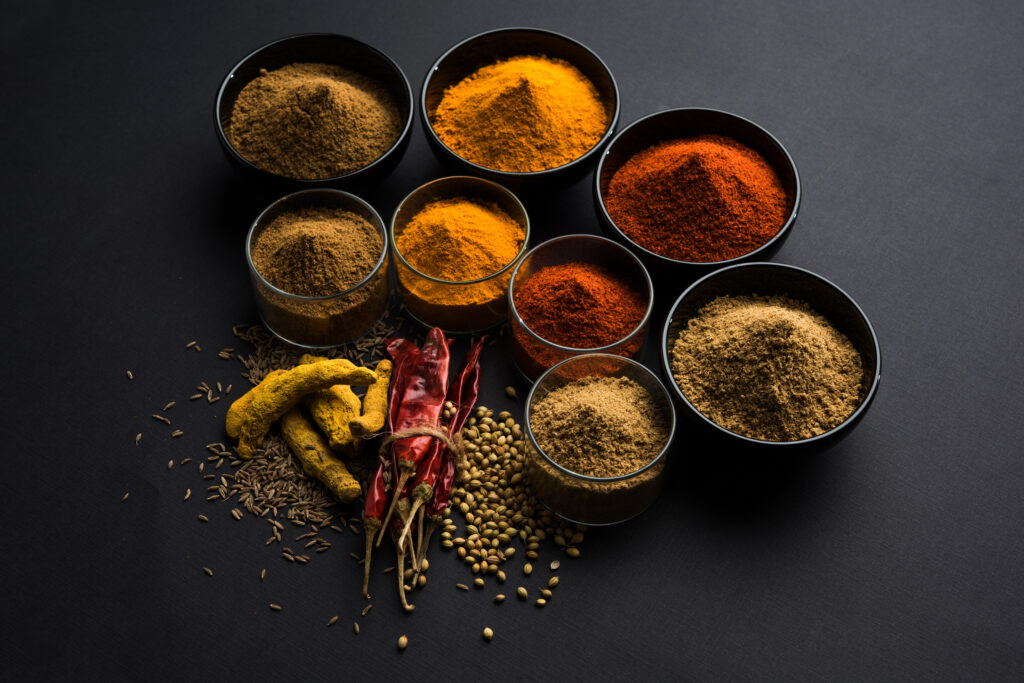
Indian cooking often follows seasonal cycles. Households use local ingredients that match the weather, the body’s needs and traditional knowledge.
This practice is one of the indian traditions that still exist due to its practicality and health benefits. Seasonal eating helps maintain balance and supports local agriculture.
7. Classical Music and Dance Traditions
Forms like Bharatanatyam, Odissi, Kathak and Hindustani music continue to be studied and performed across India.
These art forms are preserved through teacher-student lineages and cultural festivals. They remain among the indian traditions that still exist because they carry history, storytelling and discipline that continue to resonate with modern audiences.
8. Fasting on Specific Days
Fasting is practiced across various communities for reasons related to devotion, self-discipline or purification.
Whether it is Ekadashi, Navratri, Ramadan or local fasting customs, the practice remains one of the indian traditions that still exist because of its spiritual importance and the cultural rhythm associated with it.
9. Arranged Marriages with Family Involvement
While modern dating exists, arranged marriages remain common in many regions. Families often help with matchmaking and wedding planning.
This practice is one of the indian traditions that still exist because marriages are considered a union of families rather than just individuals.
10. Celebrating Harvest Festivals
Festivals like Pongal, Makar Sankranti, Lohri and Onam celebrate agricultural cycles.
These events remain active parts of Indian life and are among the indian traditions that still exist due to their connection to seasonal rhythms, food practices and community gatherings.
11. Using Turmeric and Herbal Remedies
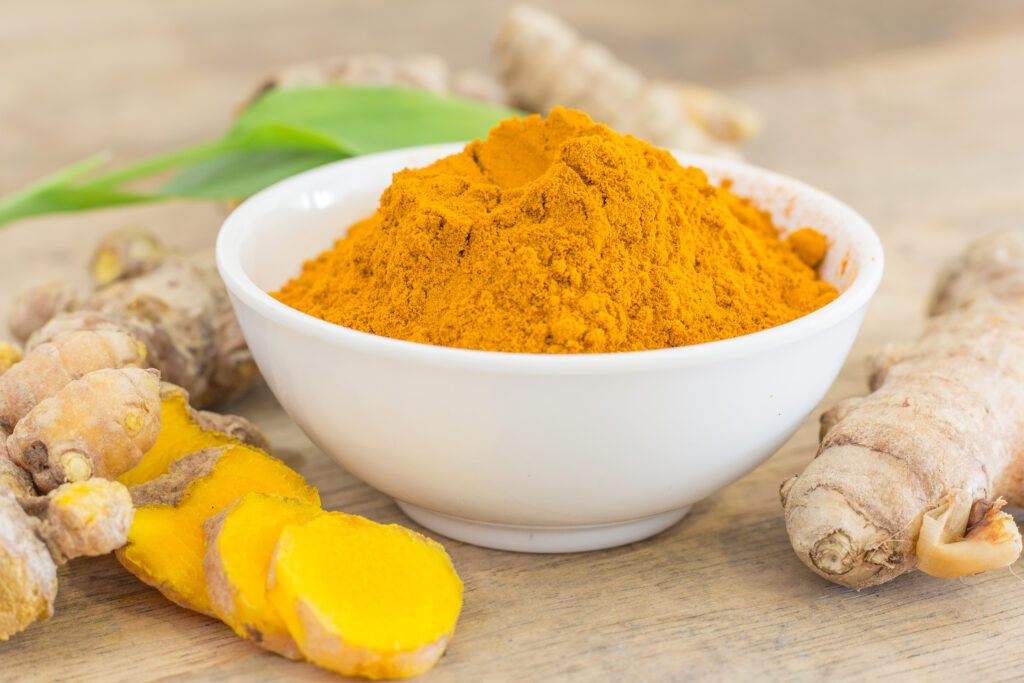
Turmeric milk, herbal teas and home remedies remain widely used for minor ailments.
This traditional knowledge has persisted for generations and is one of the indian traditions that still exist because these remedies are accessible and effective for everyday use.
12. Respecting Nature and Sacred Trees
Many households plant tulsi near the entrance or courtyard. Banyan and peepal trees are considered sacred in several communities.
This respect for nature remains one of the indian traditions that still exist because it promotes environmental awareness and connects daily life with ecological balance.
Why These Traditions Have Survived
These practices survive because they carry emotional value, familial identity, spiritual meaning and social purpose. Unlike rituals followed mechanically, these indian traditions that still exist provide structure during celebrations and daily routines. They help maintain cultural familiarity even in changing environments.
How Travelers Can Respect Local Traditions
Dress modestly when visiting temples or rural communities. Avoid interrupting rituals. Ask before taking photographs. When following this varanasi travel guide or other cultural articles, remember that learning basic greetings and practices can help you engage respectfully.
Supporting local artisans, attending cultural performances and learning the meaning behind rituals helps preserve these traditions and strengthens community pride.
Conclusion
These indian traditions that still exist continue to shape everyday life in India. They offer a deeper understanding of relationships, values, rituals and cultural identity. Travelers who pay attention to these traditions gain insight into how India balances continuity with change. Understanding these practices adds meaning to your journey and helps you appreciate the richness of India’s cultural landscape.





1 thought on “Indian Traditions That Still Exist Today”