Introduction
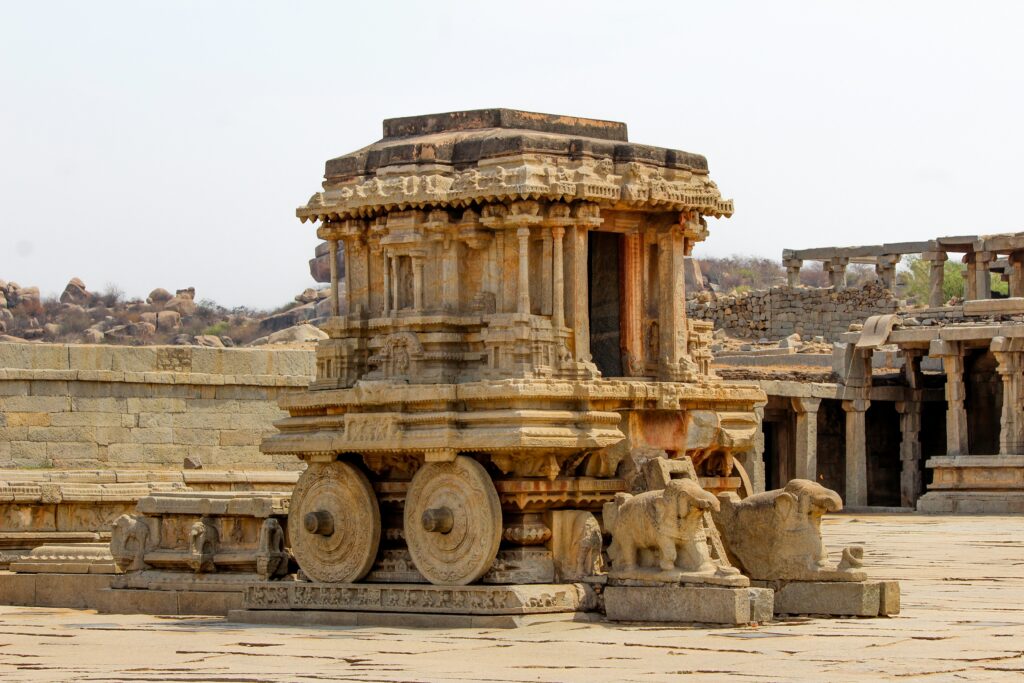
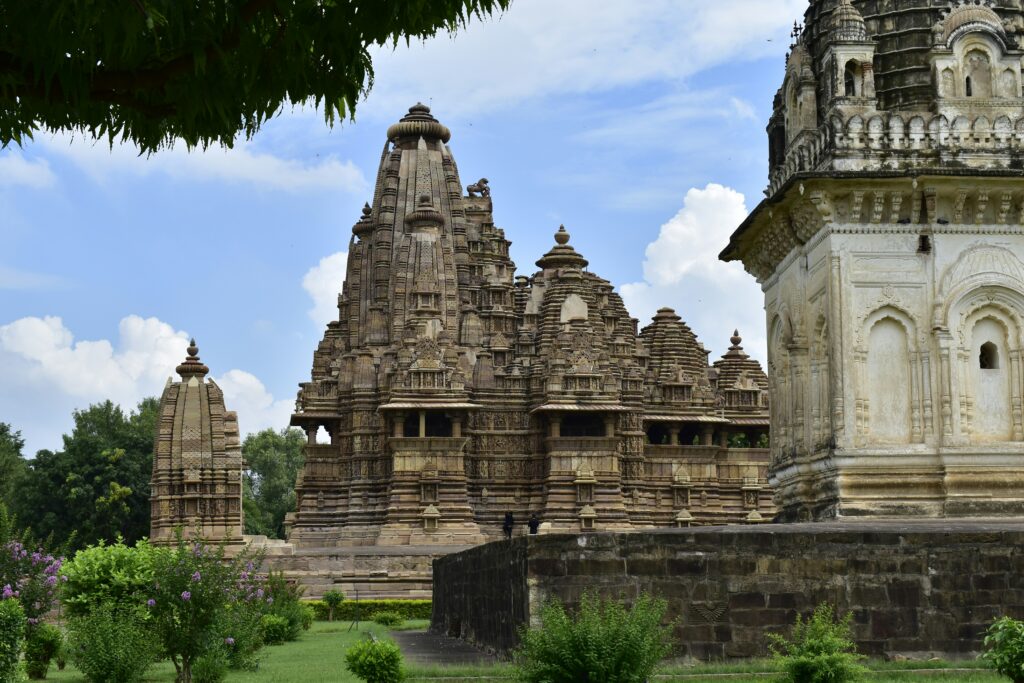
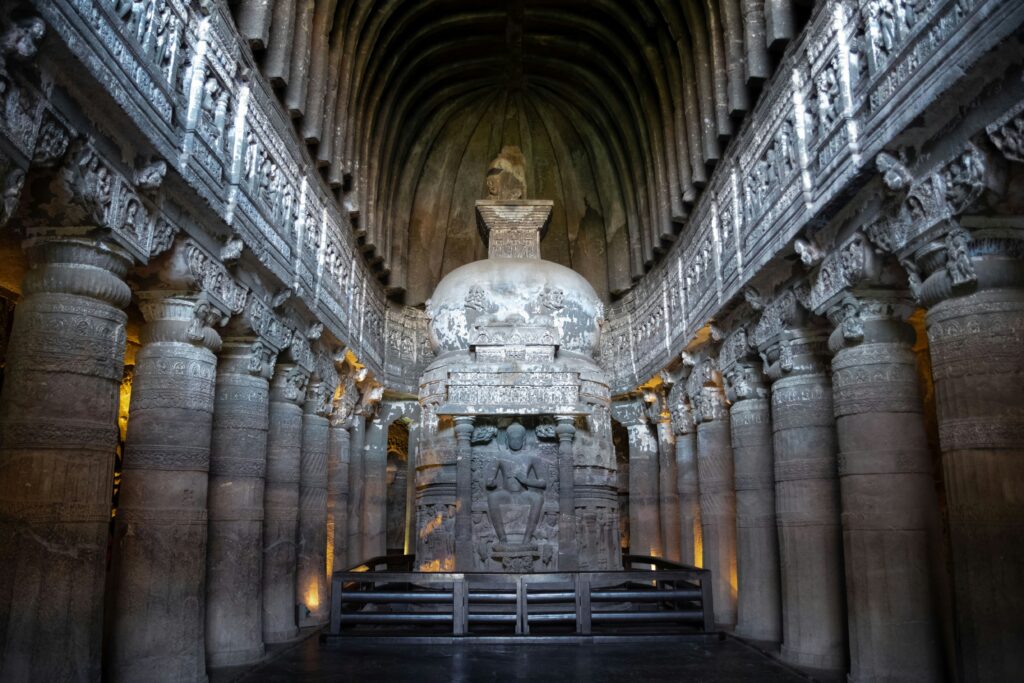
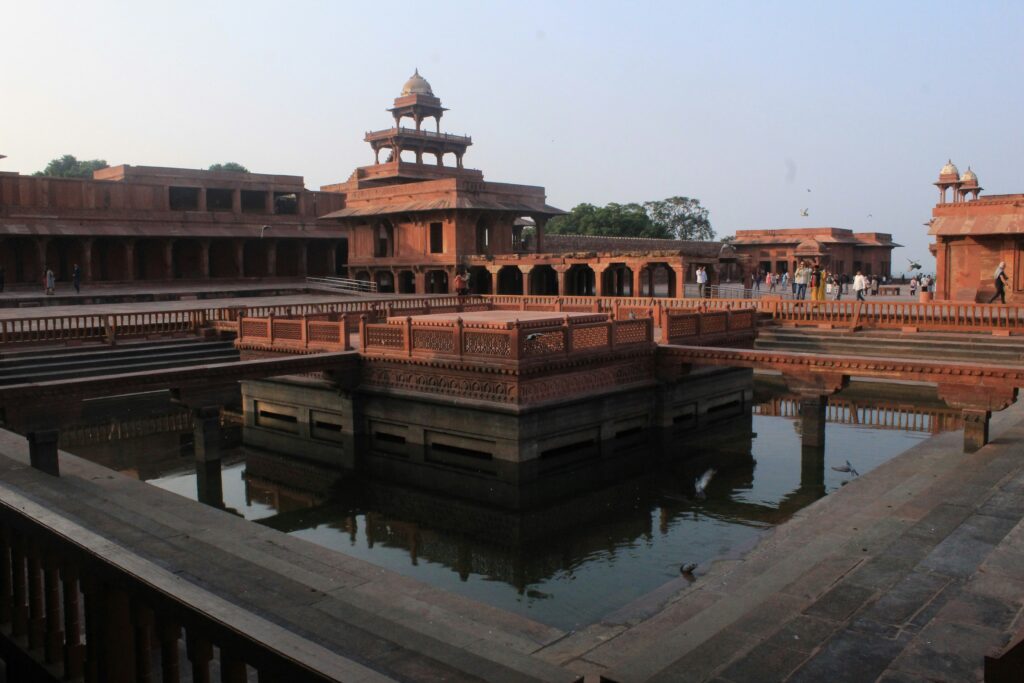
Travelers who want to understand India’s cultural evolution should explore multiple historical places in india rather than visiting only one or two popular sites.
India is a country shaped by thousands of years of history, where every region holds stories of kingdoms, trade routes, cultural exchanges, and powerful dynasties. From temples and forts to ancient cities and palaces, there are countless historical places in india that preserve this layered heritage. These sites allow travelers to understand how architecture, religion, art, and society evolved over centuries. This guide explores fifteen historically significant destinations with detailed notes on what makes each site important, what to expect, and how to experience them with context and respect.
1. Taj Mahal – Agra, Uttar Pradesh
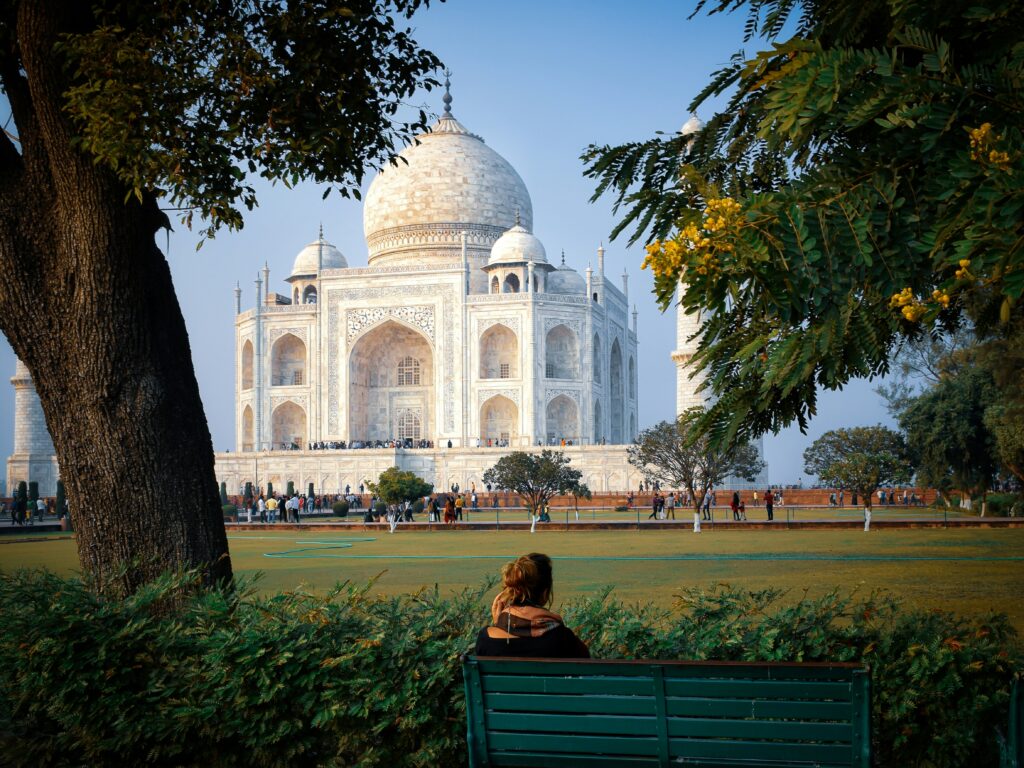
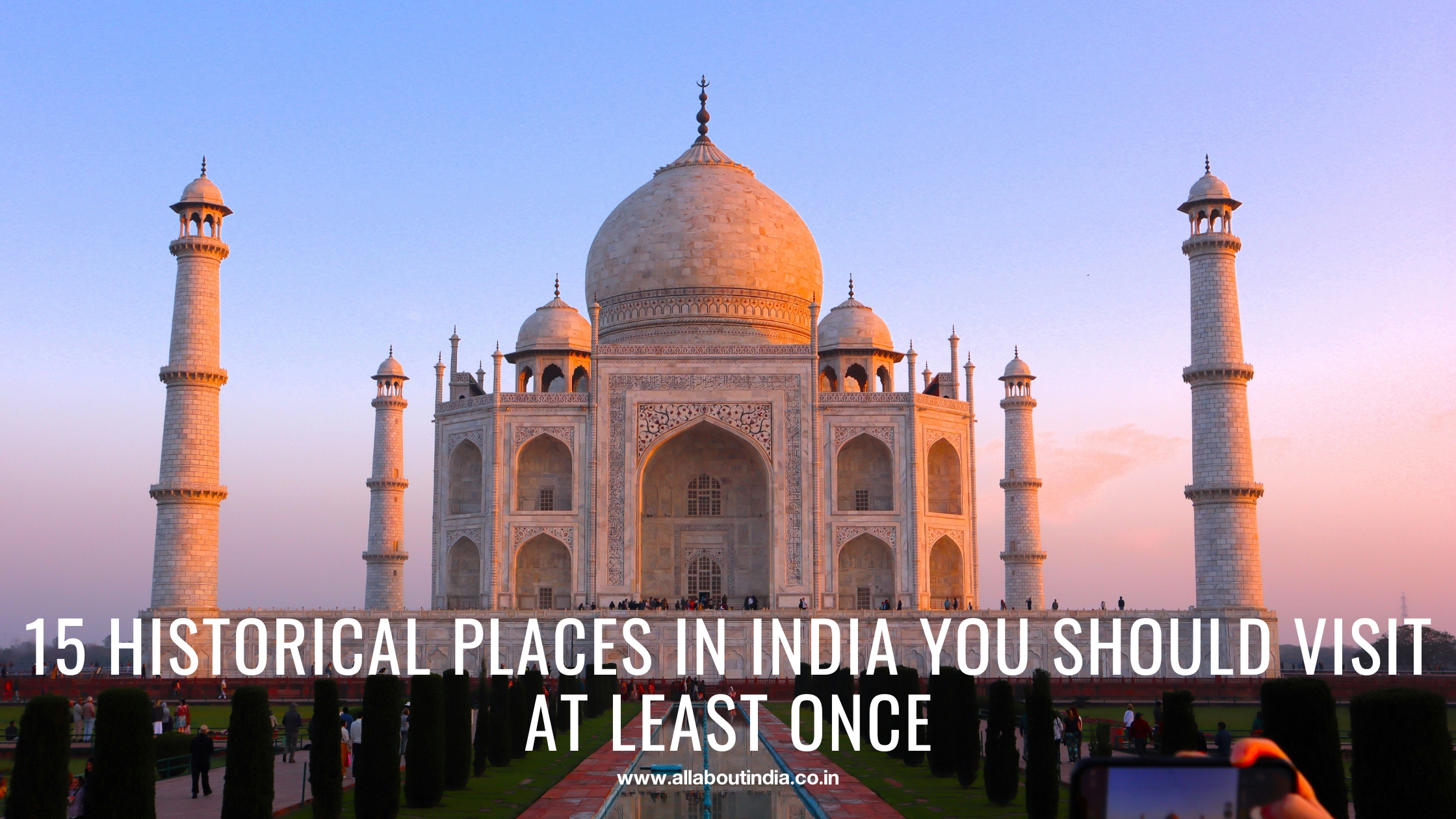
The Taj Mahal is often the first destination that comes to mind when discussing historical places in india. Built by Mughal emperor Shah Jahan in the 17th century, it stands as a symbol of craftsmanship, proportion, and symmetry.
What makes it historically important: The Taj represents the culmination of Mughal architectural style, blending Persian, Ottoman, and Indian elements. The inlay work and marble carvings demonstrate extraordinary artistry.
What to expect: Long queues, a grand entrance, the main marble structure, gardens, and reflecting pools.
Best time to visit: November to February.
Travel tip: Visit during early morning hours to avoid crowds.
2. Red Fort – Delhi
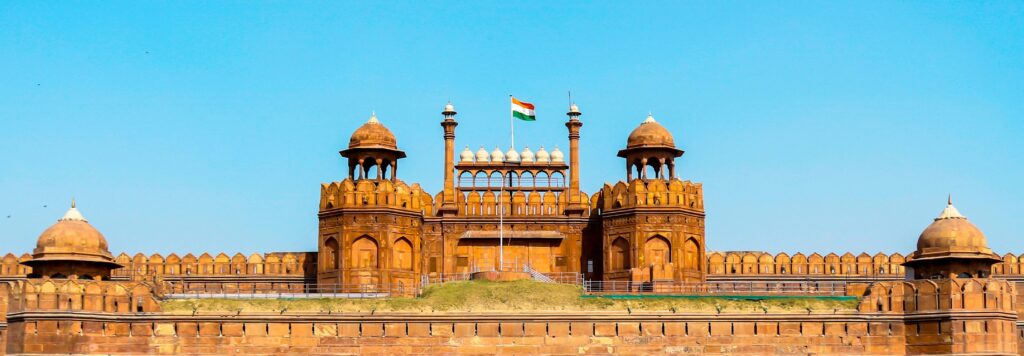
Delhi alone offers several historical places in india that reflect different phases of political power, architectural influence, and cultural exchange.
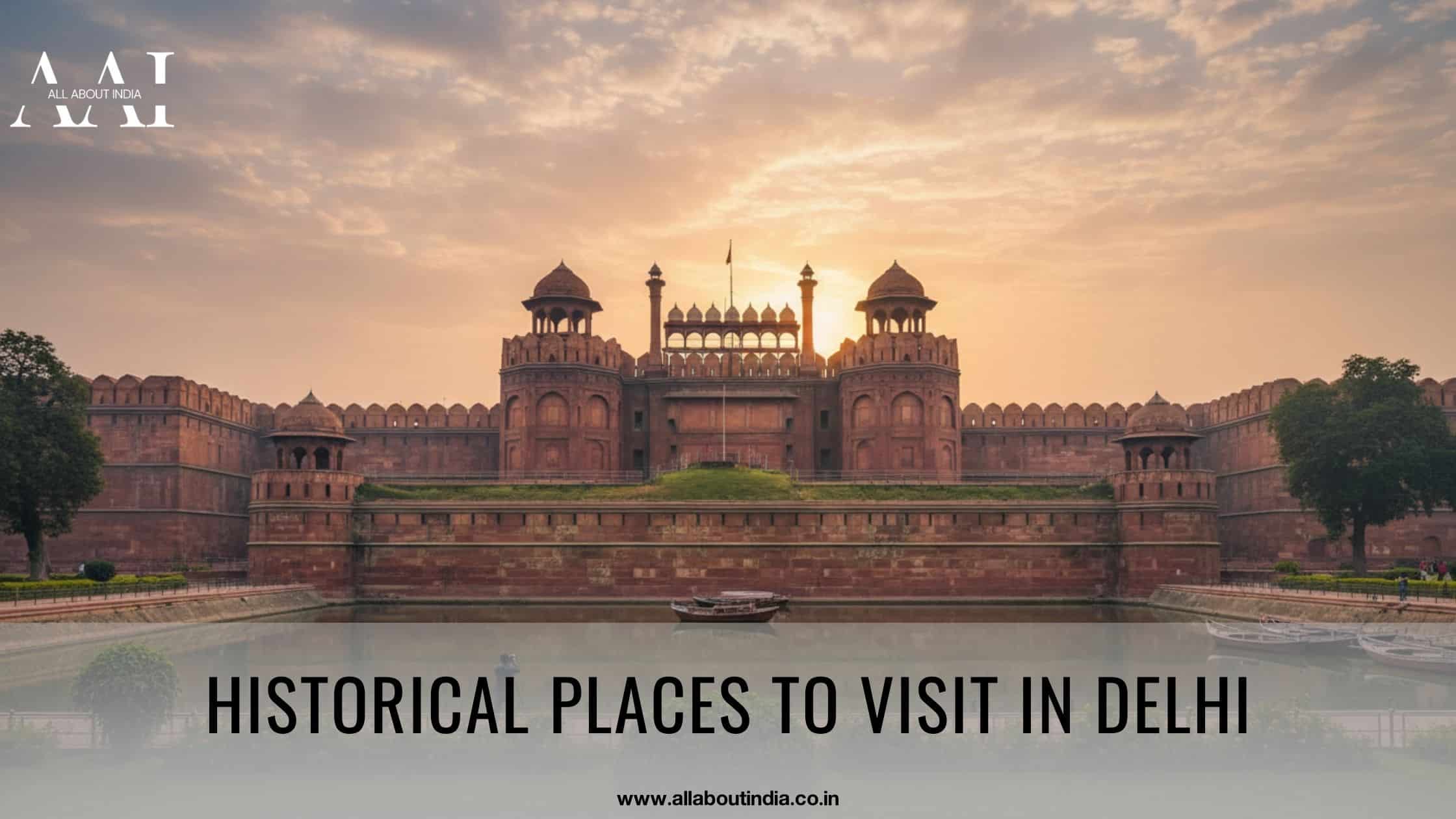
The Red Fort served as the primary residence of Mughal emperors for nearly 200 years. Its massive sandstone walls, gates, and domed halls reflect the power and scale of the empire.
Why it is significant: The fort is a key representation of Mughal political and architectural strength. The Independence Day address delivered from its ramparts adds modern historical relevance.
What to expect: Diwan-i-Aam, Diwan-i-Khas, gardens, and museum sections.
3. Qutub Minar – Delhi
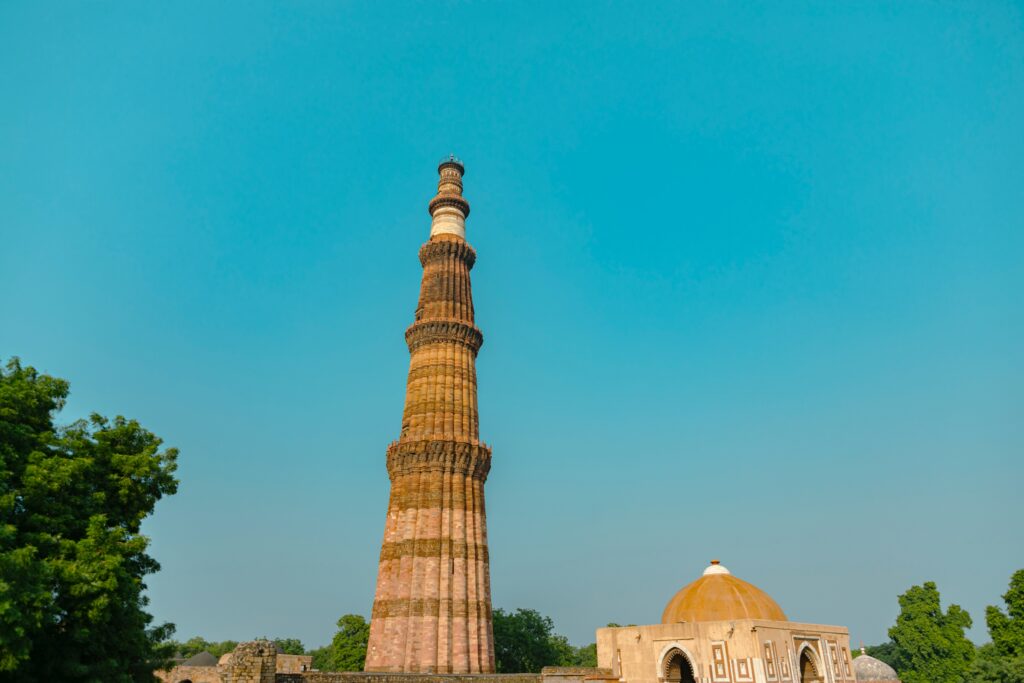
The Qutub Minar complex offers insight into the early Delhi Sultanate. The sandstone minaret rises 73 meters and is surrounded by intricately carved structures.
Why it stands out: It is one of the earliest examples of Indo-Islamic architecture in historical places in india. The iron pillar in the courtyard draws attention for its resistance to rust.
What to expect: Archaeological remains, minaret views, and detailed carvings.