
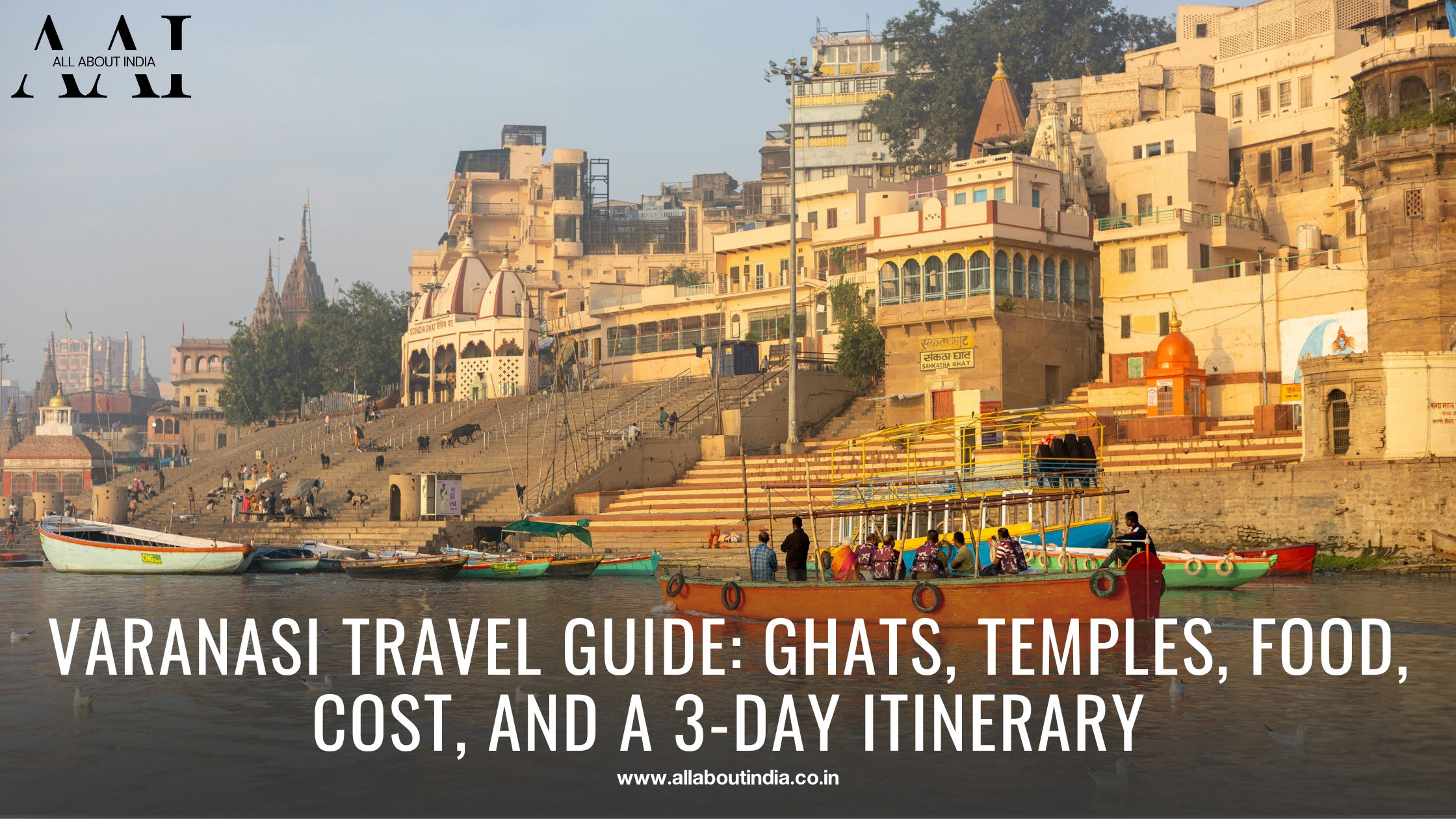
Introduction
Varanasi is one of the oldest continuously inhabited cities in the world, shaped by rituals, historic neighborhoods, temples and a strong connection with the Ganga River. This varanasi travel guide is designed to give travelers a complete understanding of the city beyond tourist checklists. The guide covers ghats, temples, food, transportation, costs, cultural expectations and a detailed three-day itinerary.
Varanasi rewards travelers who move slowly and pay attention to the city’s daily rhythm. Mornings are filled with chants, temple bells and soft river light. Afternoons unfold through narrow lanes carrying aromas of street food and the sound of weaving looms. Evenings gather people at the riverfront for the Ganga Aarti. This varanasi travel guide explains how to experience each of these moments respectfully and with context.
Understanding the Cultural Landscape
Varanasi sits on the western bank of the Ganga and has been an important pilgrimage center for centuries. The culture is shaped by rituals linked to life, death, devotion and community. This varanasi travel guide includes cultural notes because understanding local customs helps travelers connect with the city in a meaningful way.
The old city contains sacred temples, ghats and markets that remain active throughout the year. Many residents participate in daily rituals that visitors may not immediately understand, but with context these practices reveal the layered cultural identity of Varanasi.
Best Time to Visit
The most comfortable period for following this varanasi travel guide is from October to March. Winter mornings are misty and ideal for boat rides. Summer temperatures can be extreme, and monsoon rains create slippery ghat steps, making movement difficult.
How to Reach Varanasi
Varanasi is connected through air, rail and road networks. Lal Bahadur Shastri Airport receives flights from major Indian cities. Varanasi Junction and Manduadih are key railway stations with frequent connections. Auto-rickshaws and app-based taxis operate across the city. This varanasi travel guide suggests pre-booking early morning or late-night airport transfers for safety and convenience.
Ghats You Should Not Miss
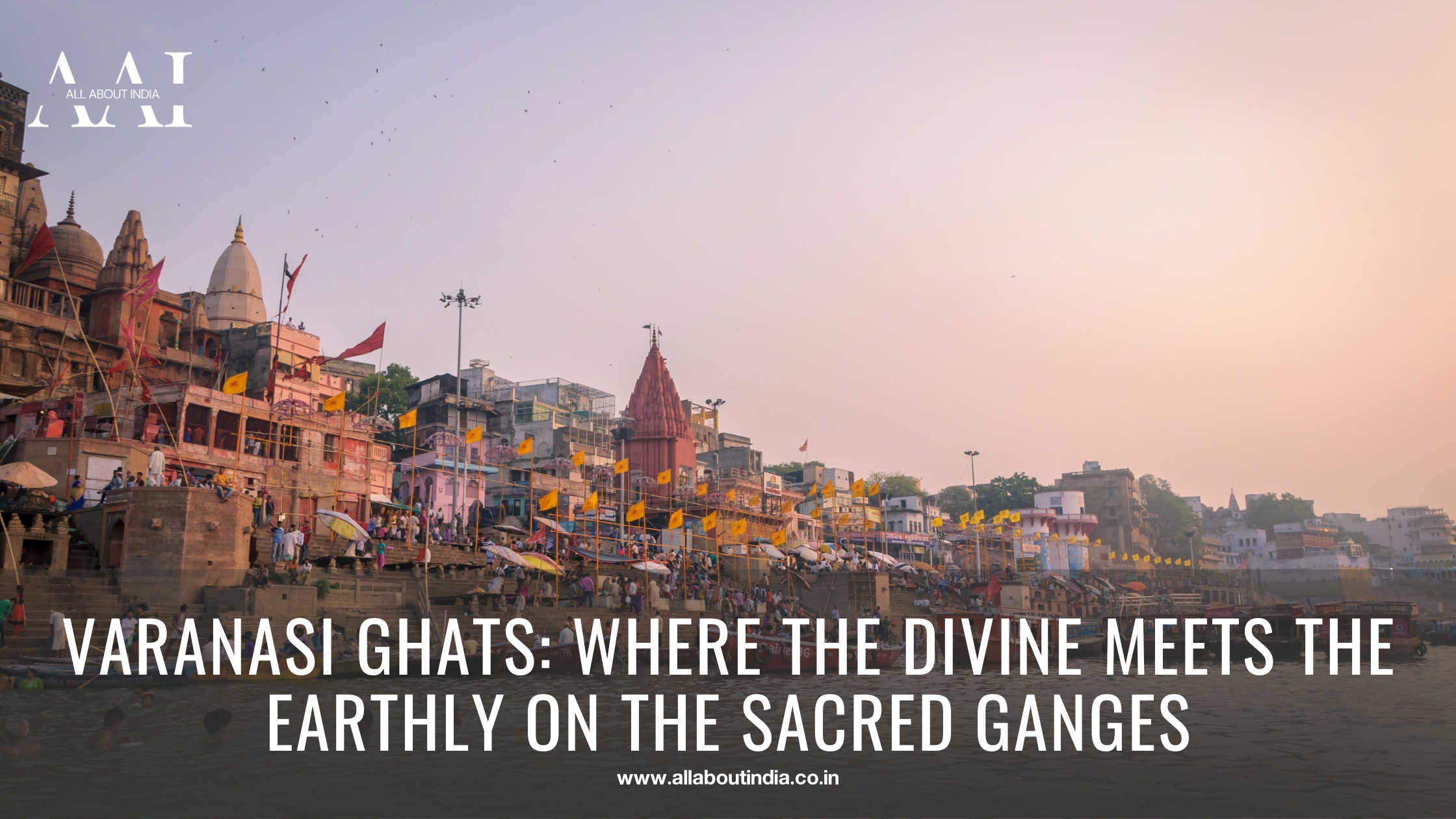
The ghats are the core of Varanasi’s identity. Each ghat has a purpose, ritual significance and associated stories. This varanasi travel guide highlights the most meaningful ones for first-time visitors.
Dashashwamedh Ghat
This is the central location for the evening Ganga Aarti. The ghat is busy throughout the day and the atmosphere becomes especially energetic during festivals.
Assi Ghat
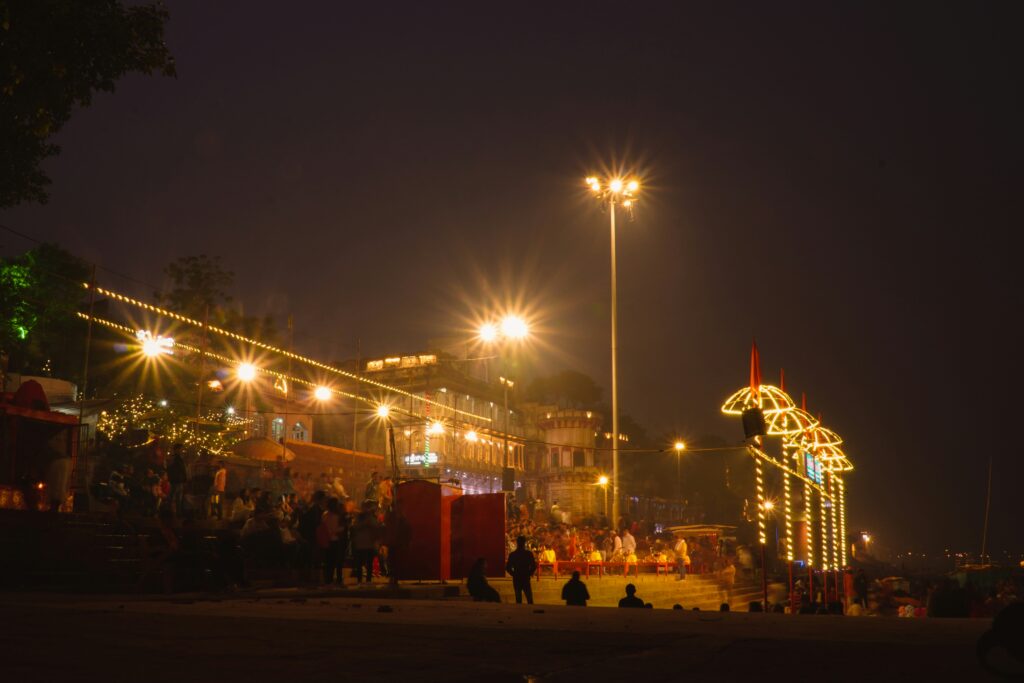
Assi Ghat is quieter and ideal for morning walks, sunrise photography and open-air yoga sessions. Many travelers prefer staying near Assi Ghat for its calmer environment.
Manikarnika Ghat
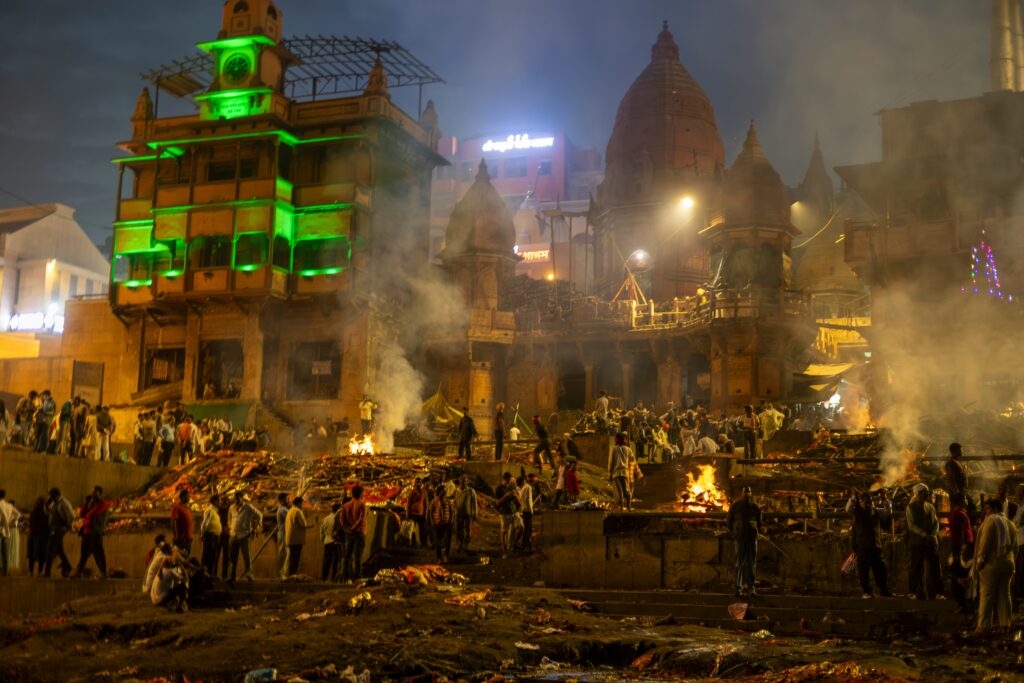
This is the cremation ghat where rituals connected to the cycle of life and death take place continuously. Observing from a respectful distance is appropriate, but photography should not be attempted.
Panchganga Ghat
Panchganga Ghat is mentioned in several ancient texts and is a point of interest for those researching traditional pilgrimage routes.
Important Temples to Visit
Temples form a major part of this varanasi travel guide because they reflect the city’s devotional culture.
Kashi Vishwanath Temple
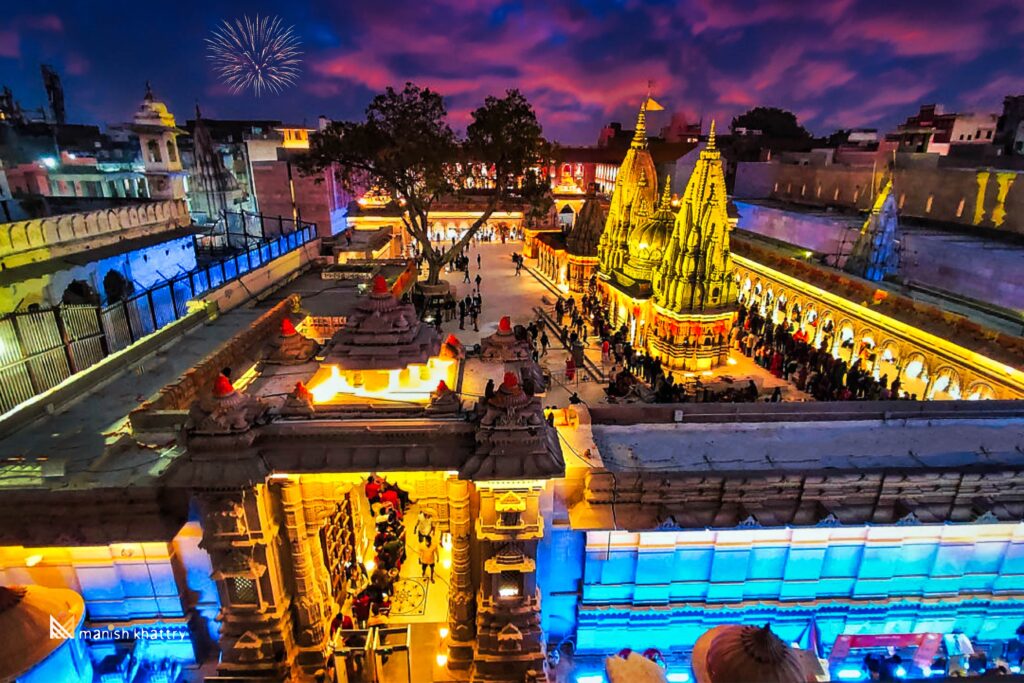
Dedicated to Lord Shiva, this is the most significant temple in Varanasi. The recently completed corridor project has created easier access for visitors.
Sankat Mochan Temple
A temple associated with Hanuman, known for its peaceful surroundings and devotional chanting.
Durga Kund Temple
Recognizable for its red structure and adjacent water tank, this temple attracts many visitors during Navratri.
Bharat Mata Temple
This temple contains a large marble map of undivided India and offers a perspective on national history.
Boat Rides and River Experiences
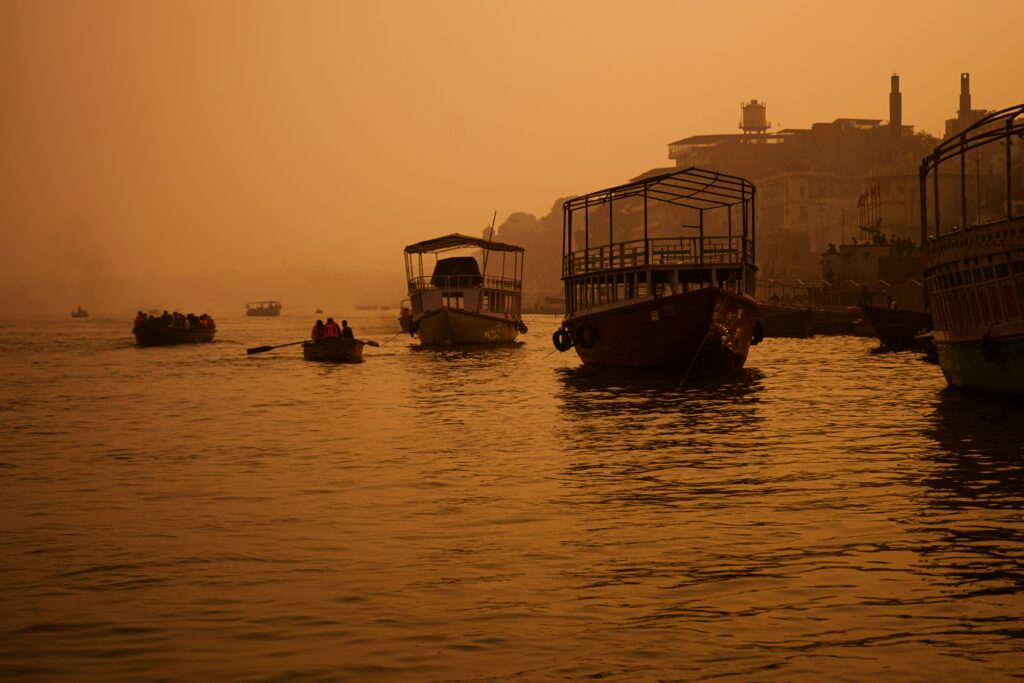
Boat rides are a major highlight of this varanasi travel guide. The experience varies depending on the time of day.
Morning boat rides provide quiet waters, soft sunlight and a clear view of rituals taking place on the ghats. Evening boat rides allow visitors to watch the Ganga Aarti from the water, creating a memorable perspective.
Hire only licensed boatmen and avoid unregistered operators. Prices range between Rs. 300 and Rs. 1500 depending on timing and type of boat, prices may vary.
Food Guide for Varanasi
The food scene is an essential part of this varanasi travel guide. The city has its own culinary identity, shaped by tradition and seasonal ingredients.
Kachori Sabzi
A classic breakfast combination available in small shops and street stalls.
Malaiyyo
A winter specialty with a light texture. It is typically available from November to February.
Banarasi Paan
Prepared with precision and offered in multiple varieties.
Lassi
Thick lassi served in earthen cups at Assi Ghat is popular among travelers.
Markets and Shopping Streets
Varanasi’s markets are filled with textiles, brass figurines, wooden toys, handmade jewelry and silk sarees. This varanasi travel guide recommends exploring Vishwanath Gali, Thatheri Bazaar and Godowlia Market.
Banarasi sarees are a specialty of the region, and many shops offer handloom varieties that reflect traditional weaving techniques.
Sarnath – An Important Extension of Your Trip
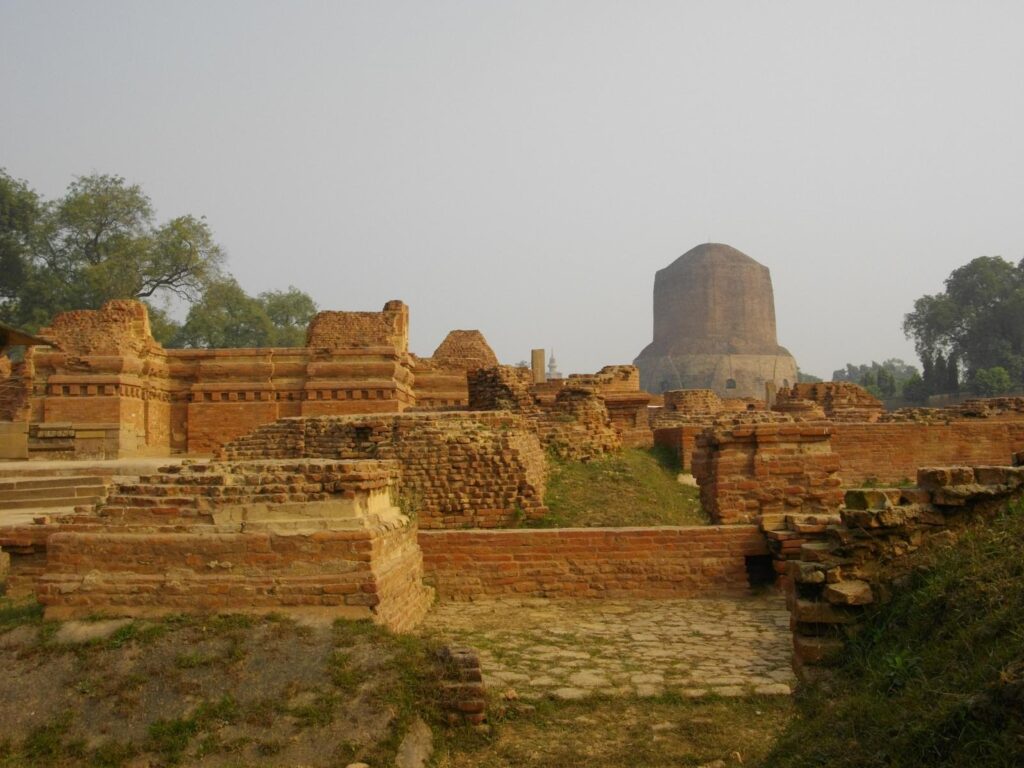
Sarnath is a key addition to this varanasi travel guide. Located around 10 kilometers from the city, Sarnath is where Gautama Buddha delivered his first sermon.
Travelers can explore stupas, monasteries and a museum that contains significant Buddhist artifacts. The site is important for those interested in early Buddhist history.
Suggested 3-Day Itinerary
This varanasi travel guide includes a practical three-day itinerary designed for first-time visitors.
Day 1 – Ghats and Core Areas
Sunrise boat ride
Walk around major ghats
Visit Kashi Vishwanath Temple
Explore Vishwanath Gali
Attend the Ganga Aarti in the evening
Day 2 – Temples and Markets
Visit Sankat Mochan Temple
Stop at Durga Kund Temple
Lunch in the old town
Explore markets like Godowlia
Try street food and traditional desserts
Day 3 – Sarnath and Cultural Exploration
Half-day visit to Sarnath
Return to Assi Ghat for evening walks
Interact with local residents and explore cafes
Cost Planning for Travelers
This varanasi travel guide includes average cost estimates.
Budget accommodation: Rs. 800 to Rs. 1500 per night, prices may vary
Mid-range: Rs. 2000 to Rs. 4000 per night, prices may vary
Boat rides: Rs. 300 to Rs. 1500, prices may vary
Meals: Rs. 200 to Rs. 300 per person, prices may vary
Local travel: Rs. 100 to Rs. 300 per auto ride, prices may vary
Safety Tips for Visitors
Follow safety guidelines around ghats, especially during monsoon or late evening hours. Avoid photographing cremation rituals. Keep personal belongings secure in crowded areas. This varanasi travel guide suggests choosing licensed boats, staying aware in narrow lanes and keeping emergency contacts handy.
Conclusion
This varanasi travel guide provides a detailed understanding of how to explore the city with awareness, patience and respect for local traditions. Varanasi is shaped by ritual, devotion and community life. When approached thoughtfully, it becomes a destination that offers a deep and memorable travel experience. Whether you are arriving for spiritual reasons or cultural curiosity, this guide helps you navigate the city with confidence and clarity.



1 thought on “Varanasi Travel Guide: Ghats, Temples, Food, Cost, and a 3-Day Itinerary”