
Introduction
India has been a beacon for seekers for millennia – a place where rituals, silence, pilgrimage circuits, and sacred geography come together to change people’s inner landscapes. This guide to spiritual places in India highlights 12 destinations that consistently offer quiet, ritual, insight, and a strong sense of presence. Each entry below explains why the place matters spiritually, what you will actually experience on a visit, practical travel tips, when to go, and a concise guide to local customs so you can prepare respectfully.
Spiritual places in India have a unique ability to shift a traveler’s inner state because they combine tradition, community, and environments shaped by centuries of daily practice.
How to use this guide
If you are new to spiritual travel, start with the short “What to Expect” section in each city. If you are an experienced seeker, look for the notes on practices and local teachers. Plan at least two to three days at a site to absorb its atmosphere rather than rush photo ops.
1. Varanasi – The River, Ritual, and Liberation
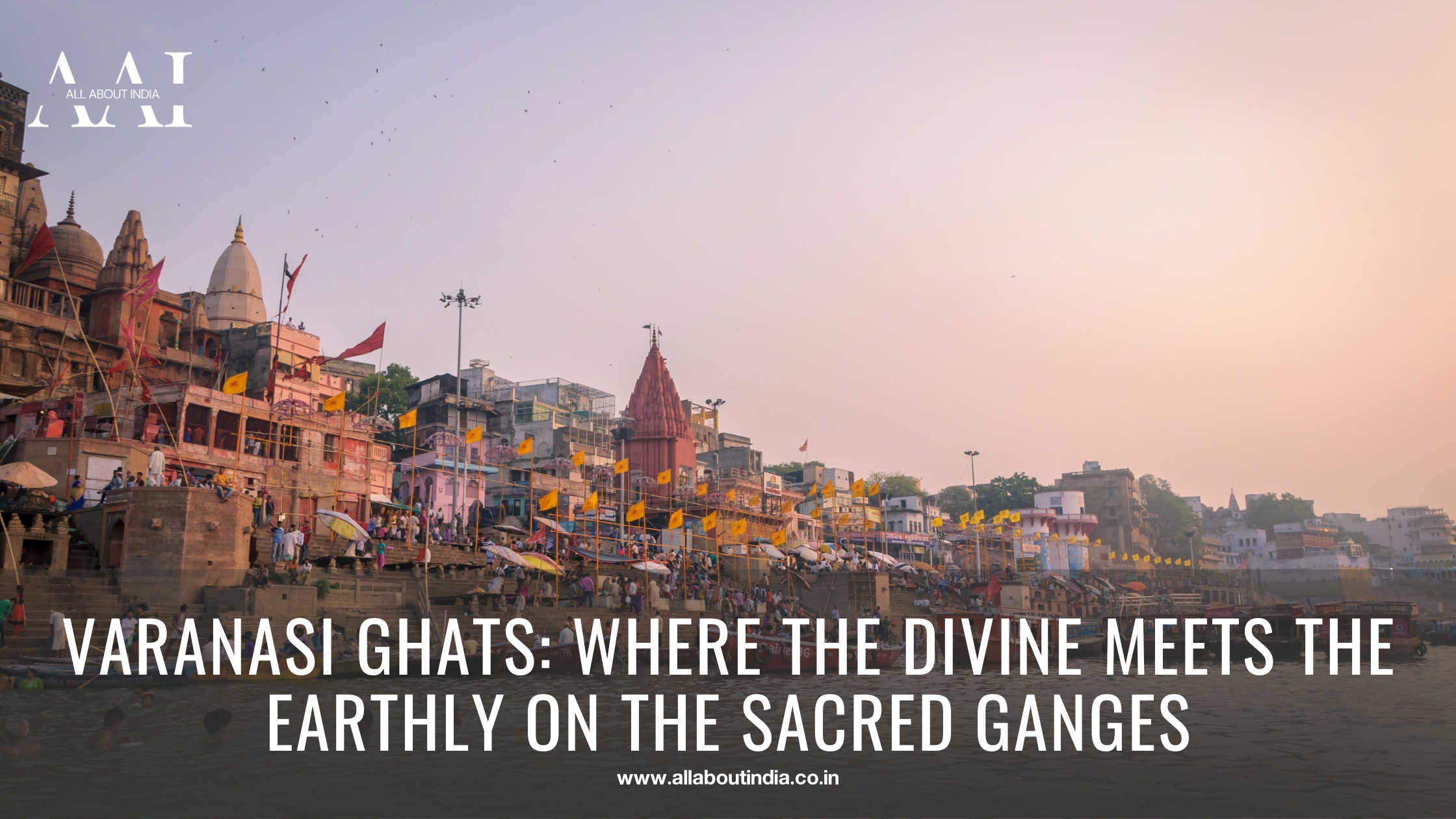
Why it is profound: Varanasi is one of the oldest living cities in the world and a central axis for Hindu practices around life and death. The Ganga Aarti at dusk brings a community of priests and residents to carry lamps and songs – an experience that is both public and devotional. Among all spiritual places in india, Varanasi remains one of the strongest because of its uninterrupted lineage of rituals and its relationship with the river.
What you will experience: Early-morning boat rides at sunrise, priests performing rites, narrow lanes filled with incense and sweet shops, evening aarti on the ghats, and the sense that time here turns differently.
Practical tips: Dress modestly – shoulders and knees covered. Hire a licensed boatman and agree the price before you board. Respect bathing and cremation rituals by observing quietly and asking permission before photography.
Best time to visit: October to March.
Local custom to note: If you intend to offer alms, use small denominations and present them with both hands.
2. Rishikesh – Yoga, Meditation and the Ganges Ashrams
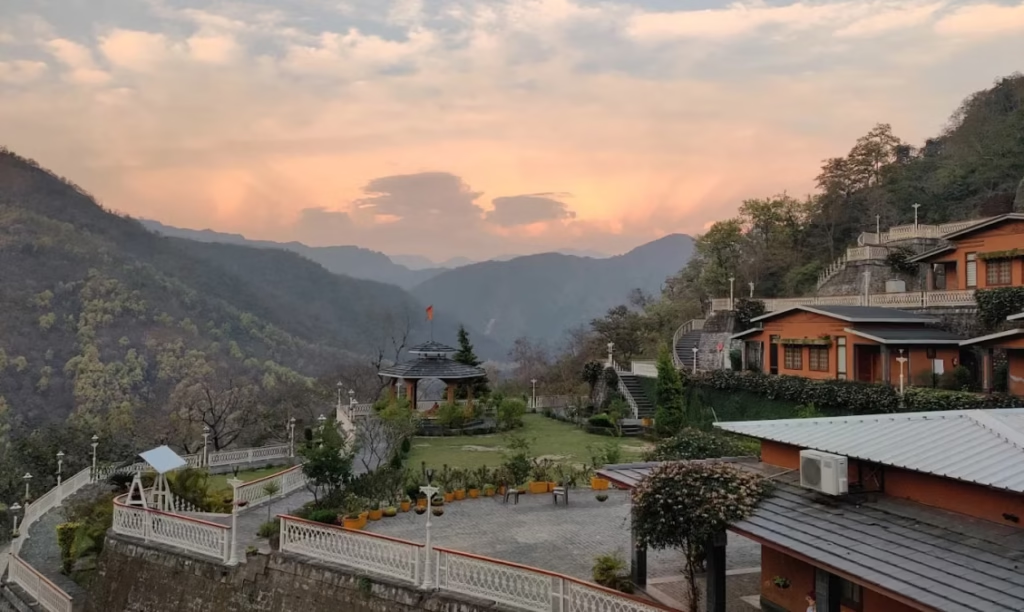
Why it is profound: Rishikesh is a modern hub for yoga and meditation that preserves classical lineage teaching alongside contemporary ashrams. The silence of the upper hills and chant practices create an ideal setting for introspection. Rishikesh is often the gateway for those beginning their exploration of spiritual places in india because it offers accessible practices and experienced teachers.
What you will experience: Morning yoga classes by the river, kirtan sessions at evening, short hikes into surrounding hills, and opportunities to study classical pranayama or meditation with resident teachers.
Practical tips: Many ashrams welcome visitors for short stays – check rules about phones, cameras and participation. For authentic teaching, look for lineage-affiliated teachers rather than commercial retreats.
Best time to visit: September to November and February to April.
3. Bodh Gaya – The Place of Awakening
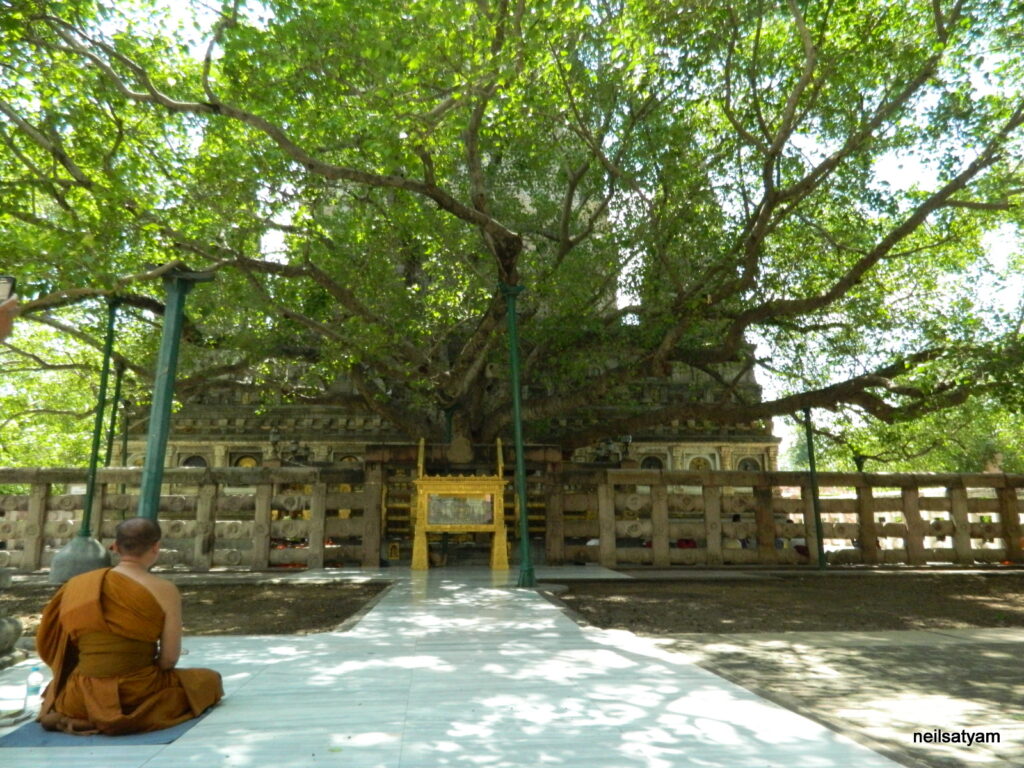
Why it is profound: This is where Siddhartha Gautama attained enlightenment under the Bodhi tree – a pilgrimage center for Buddhists worldwide. The sense of stillness beneath the tree and the global monastic community create a rare spiritual field. Bodh Gaya stands out in the list of spiritual places in india due to its direct connection with the moment of enlightenment.
What you will experience: Circumambulation of the Mahabodhi Temple complex, visiting monasteries from many countries, attending meditation sessions, and participating in teachings during festival times.
Practical tips: Respect monastic silence periods; wear modest attire and remove shoes in temple precincts. Best time to visit: October to March.
4. Tiruvannamalai – Fire and the Mountain of Silence
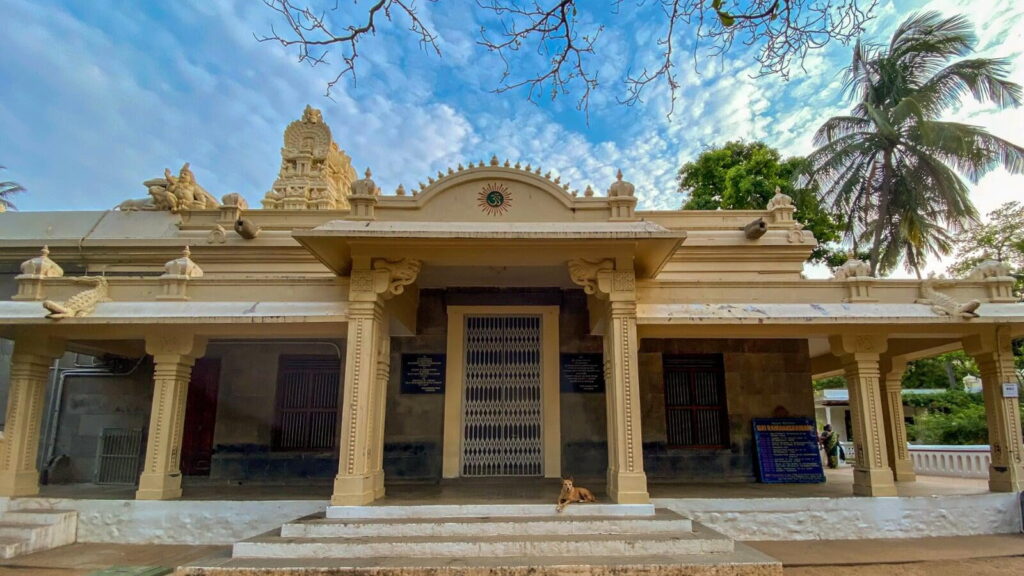
Why it is profound: Home to Arunachala Hill and Ramana Maharshi’s ashram, Tiruvannamalai is known for deep silence, sustained retreats, and the practice of self-inquiry. The circumambulation of the mountain at night during full-moon observances intensifies the experience. The stillness around Arunachala is why many seekers consider it one of the most powerful spiritual places in india.
What you will experience: Long pradakshina (circumambulation) routes, satsangs at the ashram, and a steady rhythm of pilgrims and local worship.
Practical tips: Wear comfortable walking shoes for the 14 km circuit. Stay hydrated and avoid solo night walks in remote stretches.
5. Amritsar – The Golden Temple and Sikh Seva
Why it is profound: The Harmandir Sahib (Golden Temple) embodies Sikh principles of service and equality. The langar (community kitchen) that feeds thousands daily is a powerful practice you can participate in. Amritsar represents the service-based dimension of spiritual places in india where devotion is expressed through acts rather than rituals.
What you will experience: Bowing at the pool side, joining langar duty, hearing continuous kirtan, and observing the communal ethos.
Practical tips: Cover your head, remove shoes, and wash hands before entering. Volunteers are welcomed in the langar – ask at the seva desk.
6. Kanchipuram and Chidambaram – The Tamil Shaiva and Vaishnava Heartlands
Why it is profound: These towns host ancient temples where ritual rhythm and classical music traditions are intact. The embedded temple arts – from recitation to classical dance – make the environment thick with devotional practice. Kanchipuram and Chidambaram are classical spiritual places in india that preserve ancient temple arts and sonic traditions.
What you will experience: Temple entry rituals, silence zones, evening ārati, and conversations with priests and local scholars about ritual meaning.
Practical tips: Check temple opening hours carefully and plan for modest dress codes.
7. Auroville and Pondicherry – Intentional Community and Integral Yoga
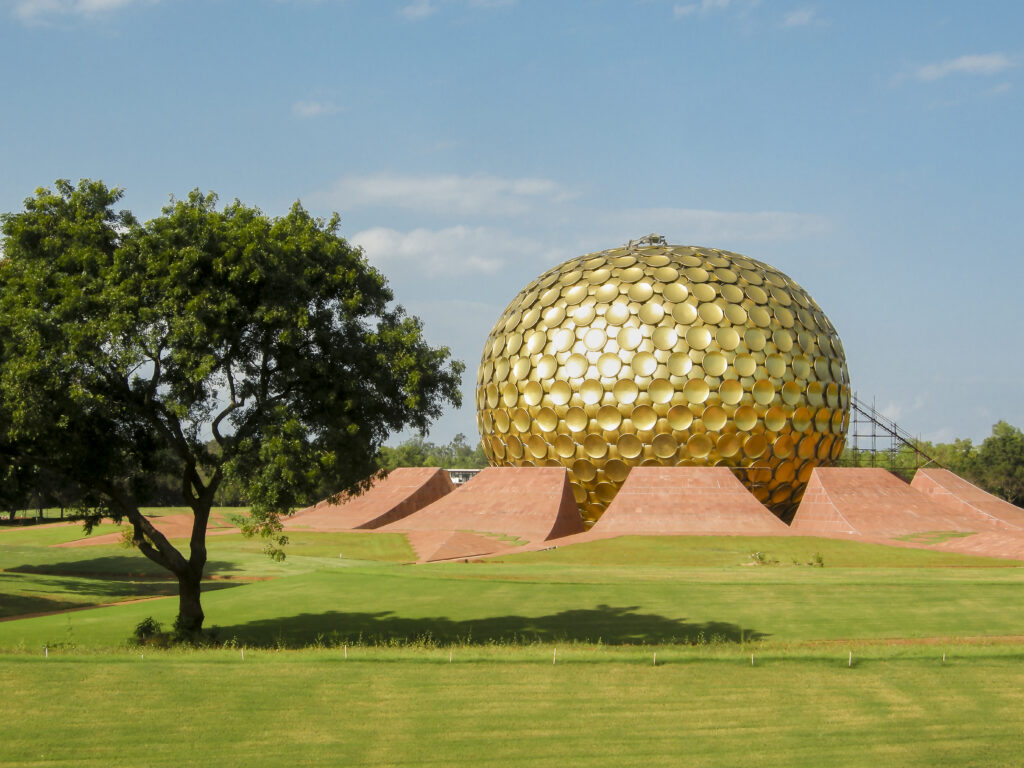
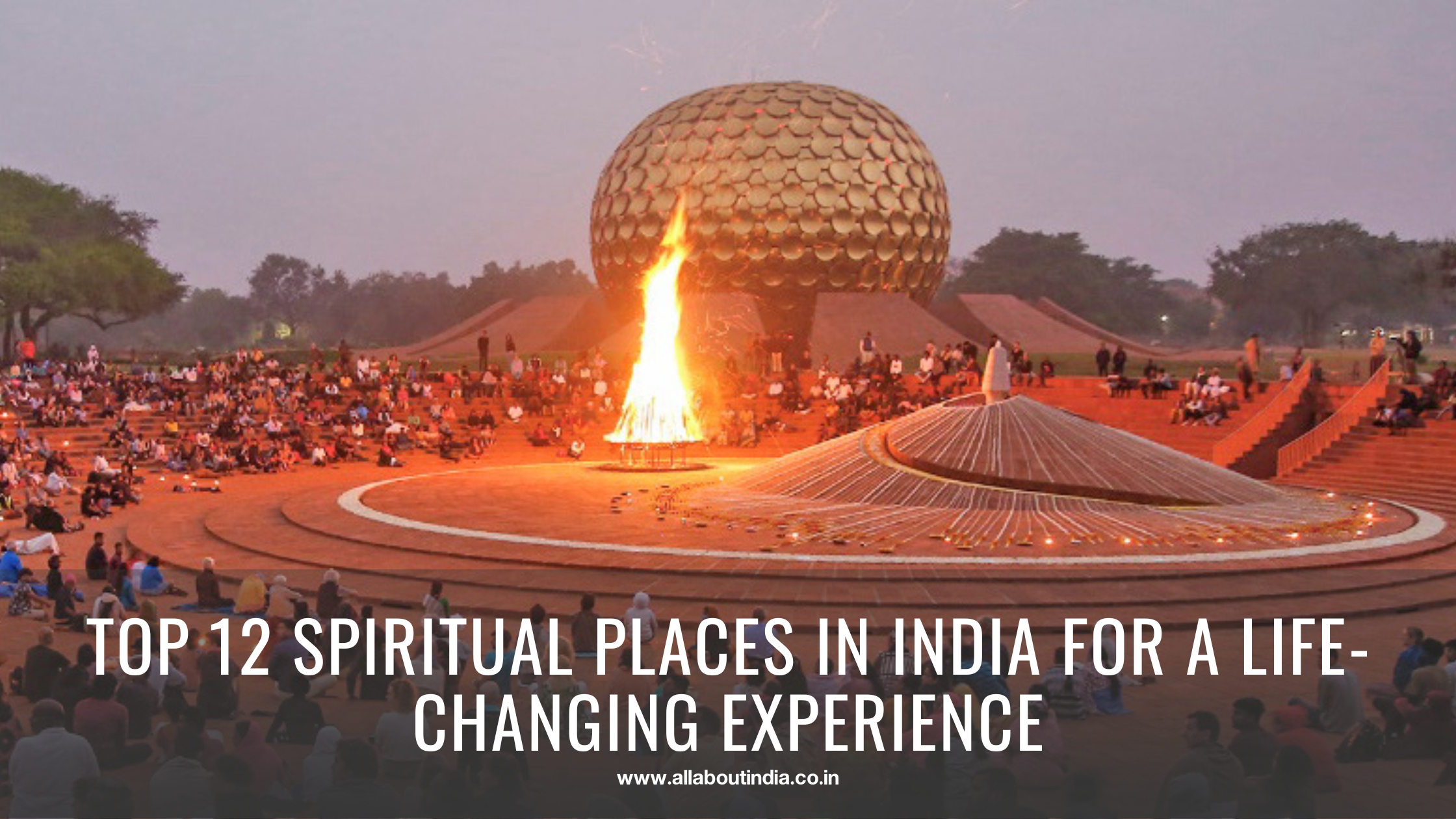
Why it is profound: Auroville is an experiment in human unity and applied spiritual living inspired by Sri Aurobindo and Mirra Alfassa. The Matrimandir is a non-sectarian place of inner work and offers quiet meditation spaces. Auroville’s approach makes it different from other spiritual places in india because the focus is on conscious community life rather than ritual practices.
What you will experience: Community projects, meditation in the Matrimandir viewing area, workshops on sustainable living, and cross-cultural encounters.
Practical tips: Book Matrimandir viewing sessions in advance and respect the silence rules within the inner chamber.
8. Hemis and Leh – Himalayan Buddhism and Quiet Landscapes
Why it is profound: The high-altitude monasteries of Ladakh host a living Tibetan culture where monastic festivals, mask dances, and solitary landscapes support contemplative practice. Hemis festival offers both theatre and devotional intensity. The monasteries of Ladakh contribute a distinct Himalayan expression to spiritual places in india through silence, altitude, and Tibetan lineage practices.
What you will experience: Monastic chants, visits to gompas, simple village hospitality, and long periods of raw, silent landscape.
Practical tips: Allow acclimatisation time when arriving; carry altitude sickness medication if needed. Best time to visit: June to September for accessibility – winter requires special preparation.
9. Tirupati and Vaishno Devi – Pilgrimage Intensity and Faith in Motion
Why it is profound: These sites are about devotion in motion – long routes, offerings, vows, and mass participation. The physical act of pilgrimage itself becomes a practice of surrender. Pilgrimage routes like Tirupati and Vaishno Devi show another side of spiritual places in india where faith is expressed through movement and effort.
What you will experience: Long queues, ritual offerings, the psychological surrender after long ascents and the communal energy of thousands moving with one purpose.
Practical tips: Prepare for crowds, long waits and basic facilities; plan for early starts and carry water and snacks.
10. Koyasan-like Traditions in India – Monastic Silence and Buddhist Retreats
Why it is profound: While Koyasan is a Japanese exemplar, in India the closest experiences are in secluded Buddhist centers and forest retreats where silence and strict schedules create a deep retreat field.
What you will experience: Vipassana centers, dhutanga-style practices, and structured schedules of meditation, work and chanting.
Practical tips: For intensive retreats consider 10-day Vipassana courses which are donation-based and have strict entry rules.
11. Sufi Shrines – Khwaja Moinuddin Chishti Dargah and Qawwali Culture
Why it is profound: Sufi shrines offer a non-dogmatic, ecstatic route to the divine through music, poetry, and communal devotion. The experience is visceral – music, incense, tears and loud blessings. Sufi centers like Ajmer offer one of the most emotionally rich experiences among spiritual places in india through music and poetry.
What you will experience: Qawwali sessions, shared meals, and the practice of prayer through poetry and song.
Practical tips: Observe dress norms, expect crowds on Thursday nights and Urs festivals, and participate respectfully.
12. Local Pilgrimages and Village Shrines – Close, Small, Deep
Why it is profound: Some of the deepest spiritual encounters are not at famous sites but at village shrines, hilltop idols, and local devotion where continuity of practice has been unbroken. These visits teach patience, listening and local hospitality.
What you will experience: Simple rituals, personal storytelling, home-made offerings and honest conversation with elders about place, history, and lineage.
Practical tips: Learn a few local phrases, bring small offerings like flowers or sweets, and accept invitations to tea – these brief exchanges open doors.
Practical Preparation – What to Pack and How to Behave
Pack modest lightweight clothes for low-altitude sites and layered warm clothing for Himalayan or winter visits. Bring a small first-aid kit, basic medicines, water purification tablets, and a refillable water bottle. Always carry emergency cash and a photocopy of your ID. Learn a few words in local languages for basic courtesy. When you enter temples or shrines, remove shoes where required, and follow local rules about photography and offerings.
How to Make the Visit More Meaningful – Simple Practices to Try
Arrive with curiosity rather than expectations. Sit in silence for 10-20 minutes on arrival to sense the place. Offer service – sweeping, kitchen work, or serving tea – service connects you to local rhythm. Keep a small travel journal; writing after rituals helps integrate experiences. Seek brief conversations with resident practitioners rather than tourist guides to learn about lived practice.
Accessibility, Safety and Respectful Conduct
Spiritual travel often means older structures, uneven paths, and crowds. Wear comfortable footwear and allow extra time for mobility-impaired travelers. Respect female-only spaces, and adhere to letter and spirit of local customs. Be alert to scams around popular shrines and use authorized guides or official help desks. Choose registered taxi services and consider travel insurance for remote treks.
Conclusion
Spiritual places in India offer an extraordinary spectrum of avenues for inner work – from communal music and service to solitary mountain retreats and monastic silence. Choose a place that matches your intention, prepare practically, and treat the journey as part of the practice rather than a check-list of sights. These spiritual places in india continue to guide seekers because each site holds a specific energy shaped by centuries of devotion and community practice.
FAQs
Q – Which is the most transformative spiritual place in India for first-time seekers?
A – Rishikesh offers accessible practices and a range of teacher styles – it is beginner-friendly while still deep enough for serious seekers.
Q – Are women safe to travel alone to these spiritual places?
A – Many sites are safe and have hosted female pilgrims for centuries – still practice normal travel precautions, inform local hosts of plans and prefer daytime travel in remote areas.
Q – Do I need to follow strict rules to enter ashrams or monasteries?
A – Rules vary – some require silence, phone bans, or specific dress codes; check the center’s visitor guidelines before arrival.




1 thought on “Top 12 Spiritual Places in India for a Life-Changing Experience”