Introduction
Travelers who want to understand India’s cultural evolution should explore multiple historical places in india rather than visiting only one or two popular sites.
India is a country shaped by thousands of years of history, where every region holds stories of kingdoms, trade routes, cultural exchanges, and powerful dynasties. From temples and forts to ancient cities and palaces, there are countless historical places in india that preserve this layered heritage. These sites allow travelers to understand how architecture, religion, art, and society evolved over centuries. This guide explores fifteen historically significant destinations with detailed notes on what makes each site important, what to expect, and how to experience them with context and respect.
1. Taj Mahal – Agra, Uttar Pradesh
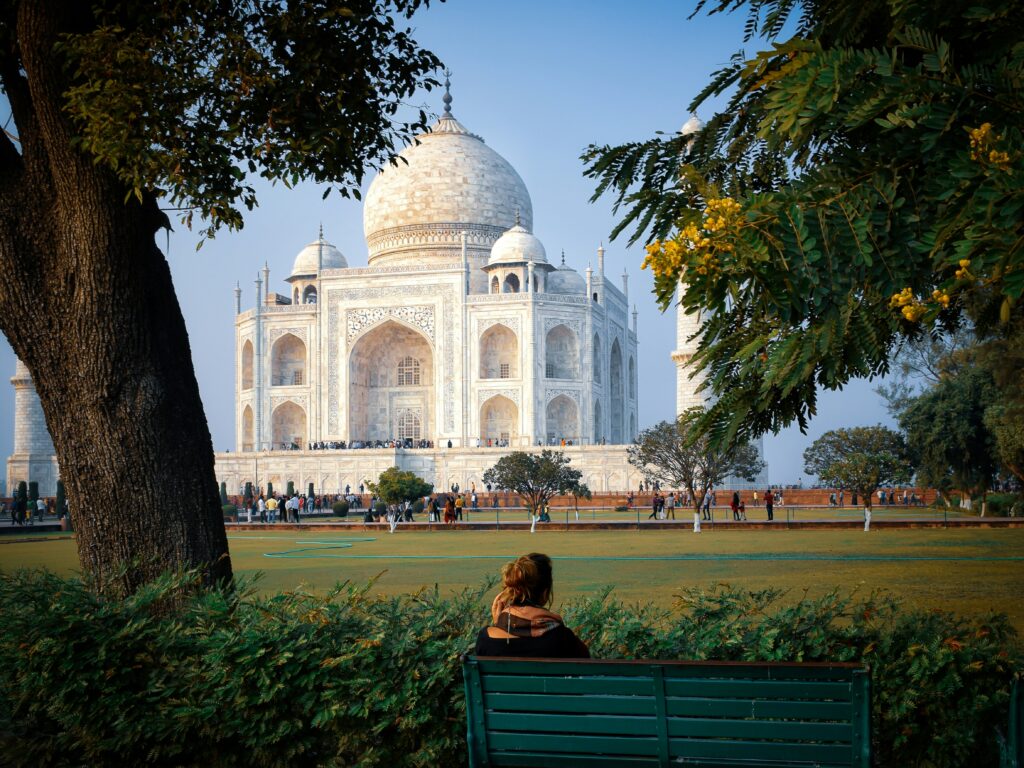
The Taj Mahal is often the first destination that comes to mind when discussing historical places in india. Built by Mughal emperor Shah Jahan in the 17th century, it stands as a symbol of craftsmanship, proportion, and symmetry.
What makes it historically important: The Taj represents the culmination of Mughal architectural style, blending Persian, Ottoman, and Indian elements. The inlay work and marble carvings demonstrate extraordinary artistry.
What to expect: Long queues, a grand entrance, the main marble structure, gardens, and reflecting pools.
Best time to visit: November to February.
Travel tip: Visit during early morning hours to avoid crowds.
2. Red Fort – Delhi
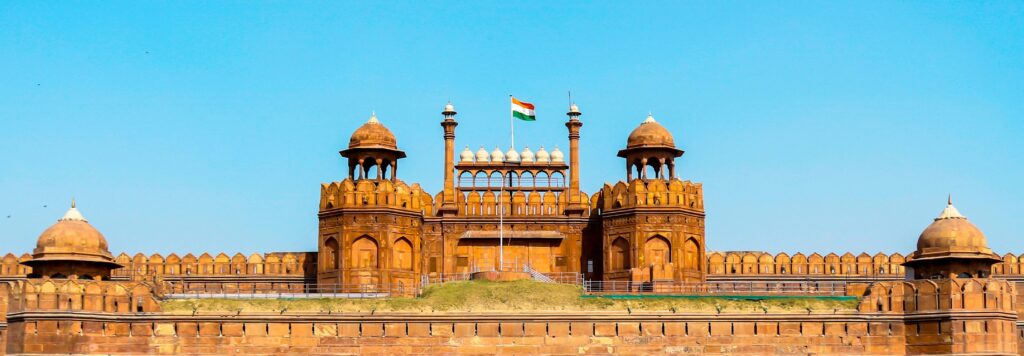
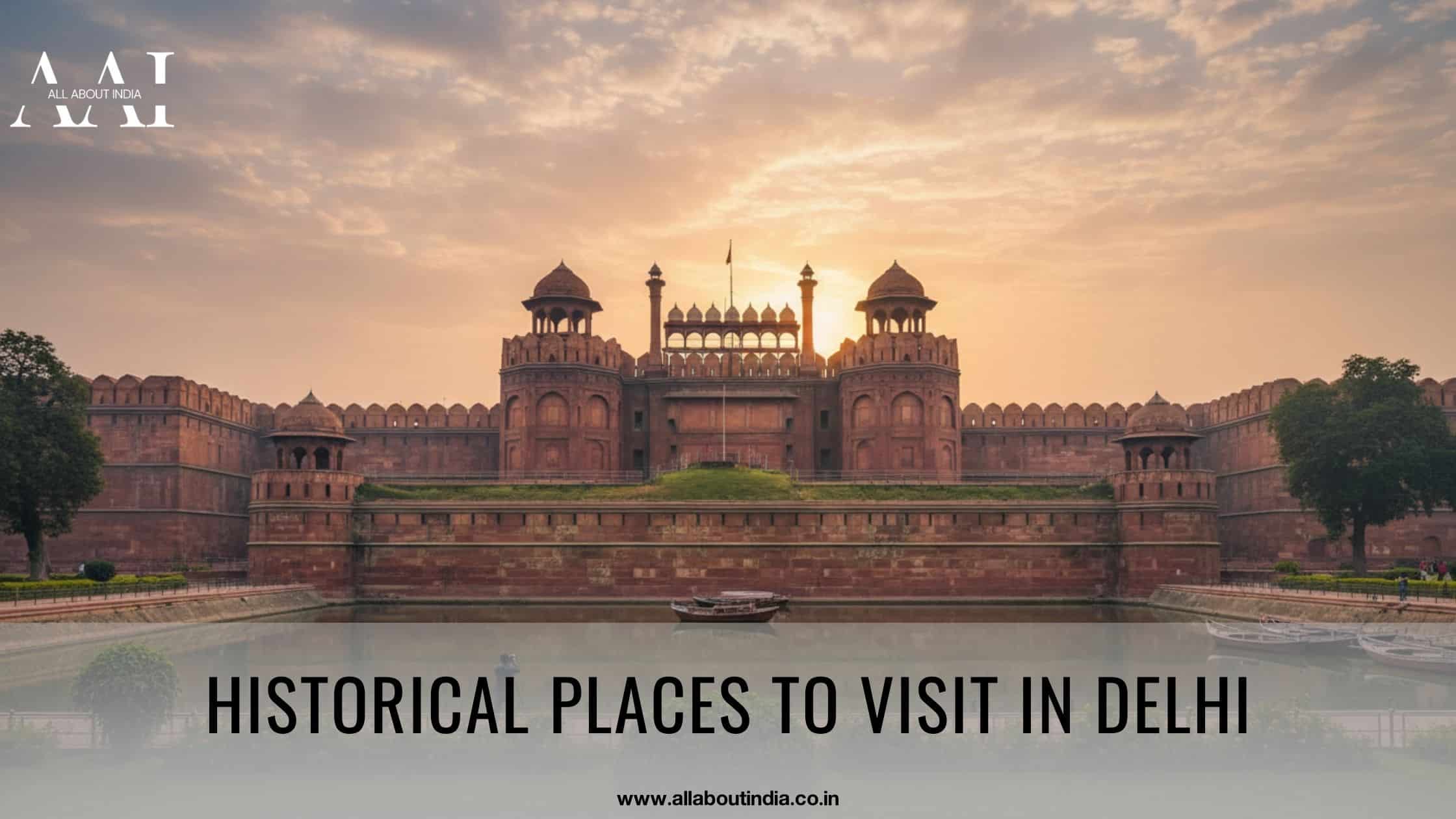
Delhi alone offers several historical places in india that reflect different phases of political power, architectural influence, and cultural exchange.
The Red Fort served as the primary residence of Mughal emperors for nearly 200 years. Its massive sandstone walls, gates, and domed halls reflect the power and scale of the empire.
Why it is significant: The fort is a key representation of Mughal political and architectural strength. The Independence Day address delivered from its ramparts adds modern historical relevance.
What to expect: Diwan-i-Aam, Diwan-i-Khas, gardens, and museum sections.
3. Qutub Minar – Delhi
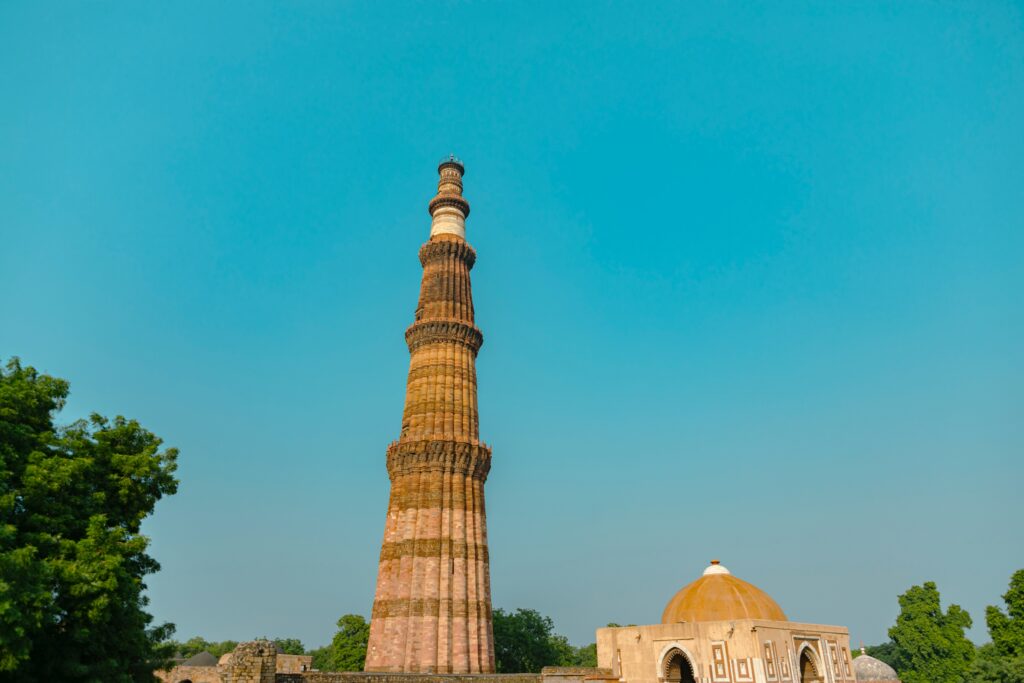
The Qutub Minar complex offers insight into the early Delhi Sultanate. The sandstone minaret rises 73 meters and is surrounded by intricately carved structures.
Why it stands out: It is one of the earliest examples of Indo-Islamic architecture in historical places in india. The iron pillar in the courtyard draws attention for its resistance to rust.
What to expect: Archaeological remains, minaret views, and detailed carvings.
4. Hampi – Karnataka
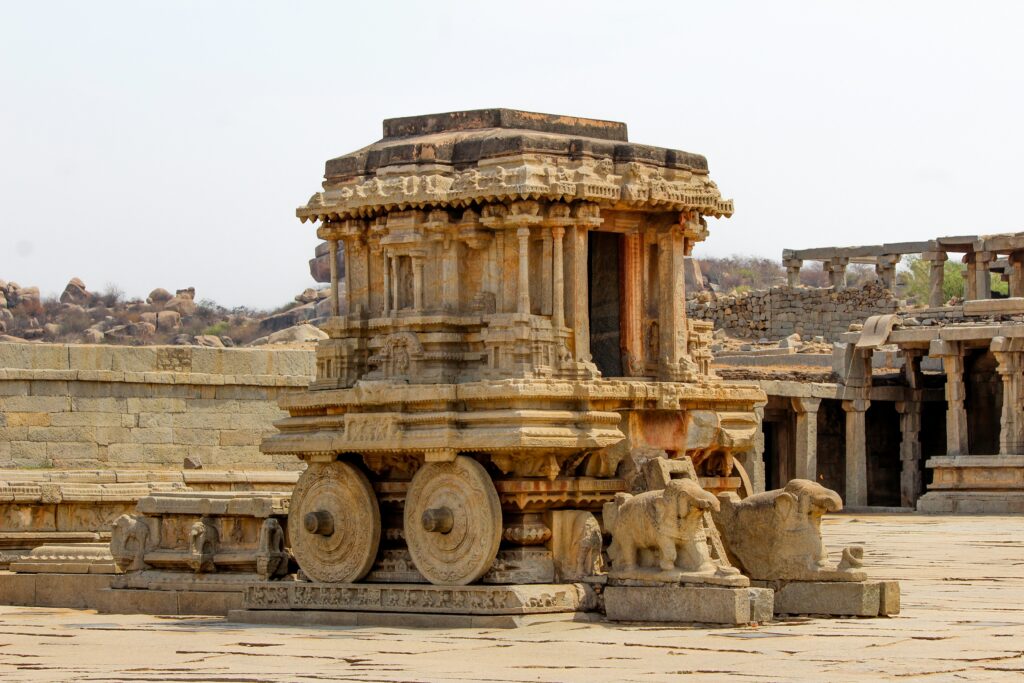
Hampi demonstrates why many historical places in india are still active centers of learning for historians, architects, and cultural researchers.
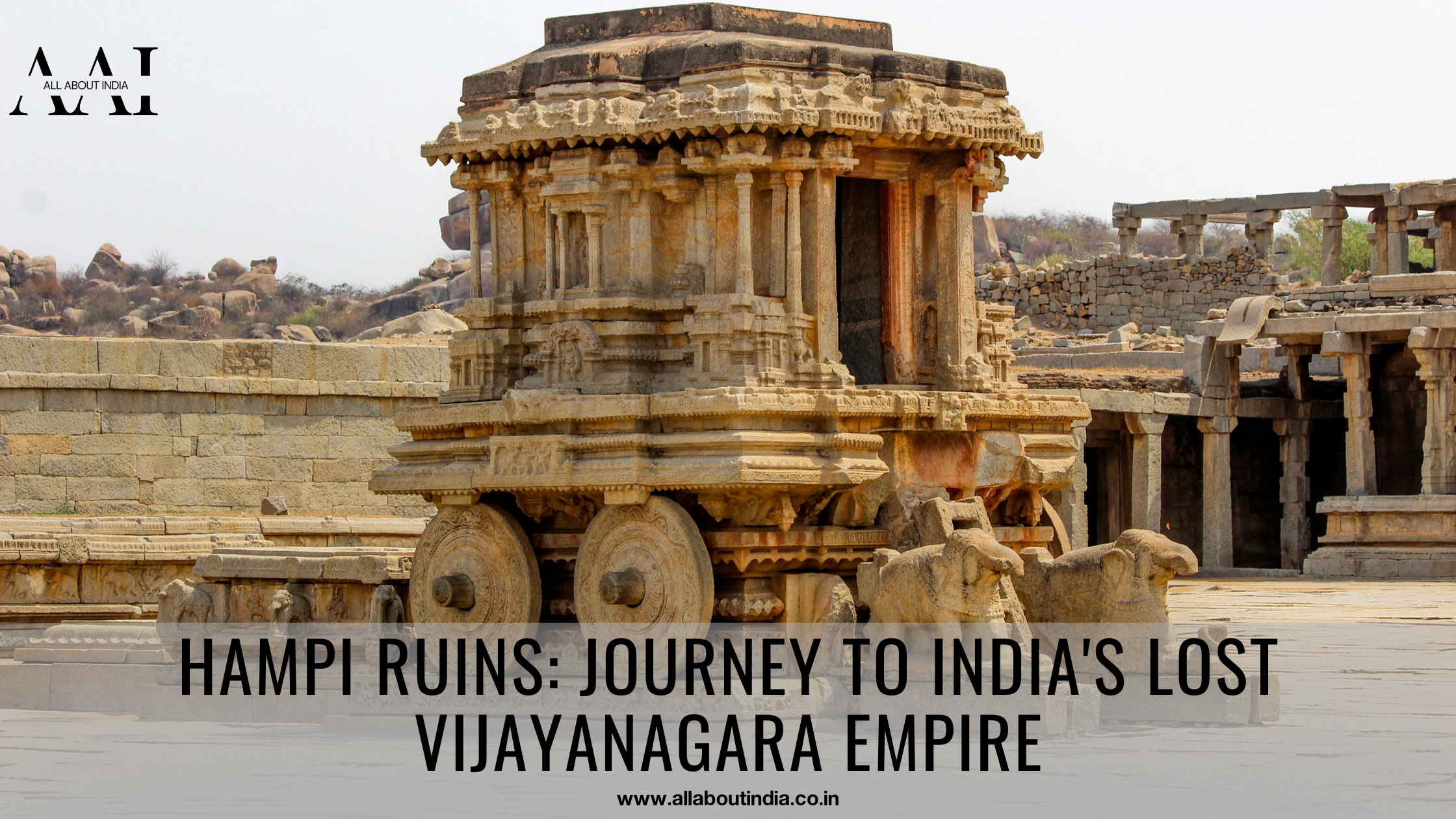
Hampi was once the capital of the Vijayanagara Empire. Today it is a UNESCO site filled with temples, markets, and ruins that reveal a highly advanced medieval city.
Why it is significant: It showcases Dravidian architecture, intricate stone work, and an extensive network of monuments spread across a vast landscape.
What to expect: Stone chariot, Virupaksha temple, riverside ruins, and large boulder formations.
5. Khajuraho Temples – Madhya Pradesh
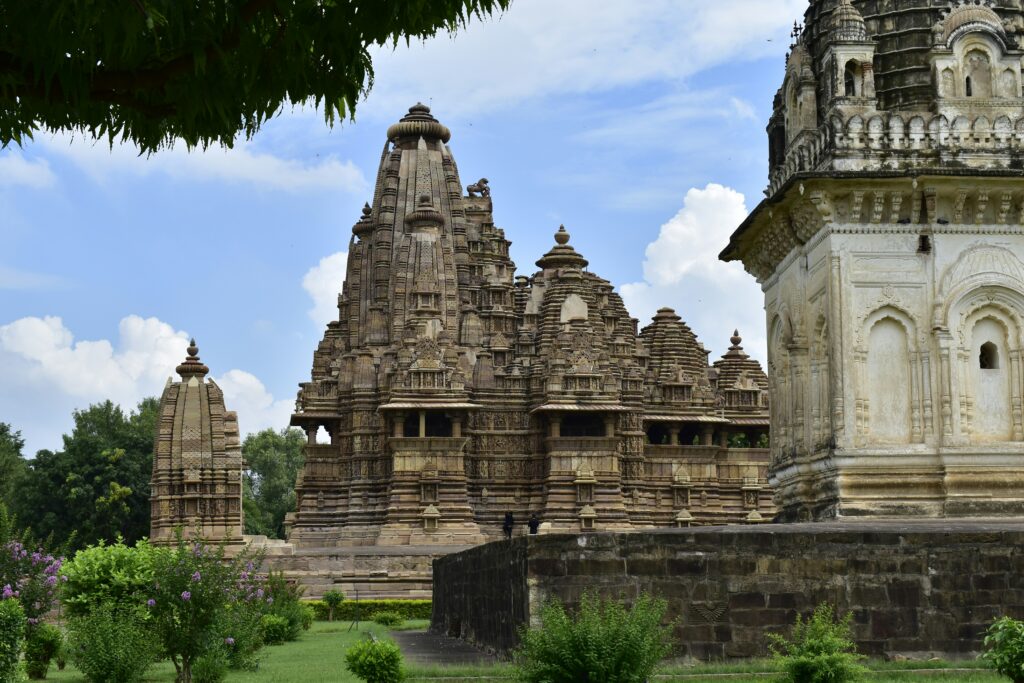
Khajuraho is known for its detailed carvings and temple structures built by the Chandela dynasty. It remains one of the most studied historical places in india for art and architecture.
Why it is unique: The sculptures depict daily life, spirituality, and symbolic traditions with precision and balance.
What to expect: Western group temples, light and sound shows, and guided architectural tours.
6. Ajanta and Ellora Caves – Maharashtra
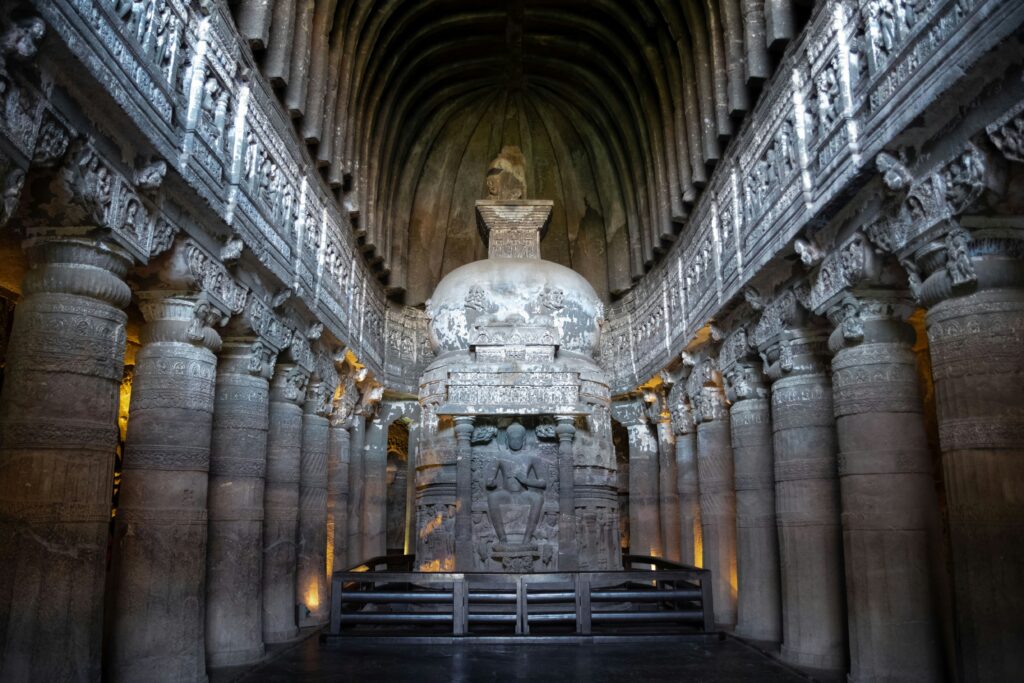
These rock-cut caves contain monasteries, temples, and artworks that span Buddhism, Hinduism, and Jainism.
Why they matter: The Ajanta caves hold some of the finest ancient paintings, while Ellora includes Kailasa Temple, carved from a single rock. These sites are essential for understanding ancient Indian artistic development.
What to expect: Carved pillars, sculptures, narrative panels, and meditation halls.
7. Fatehpur Sikri – Uttar Pradesh
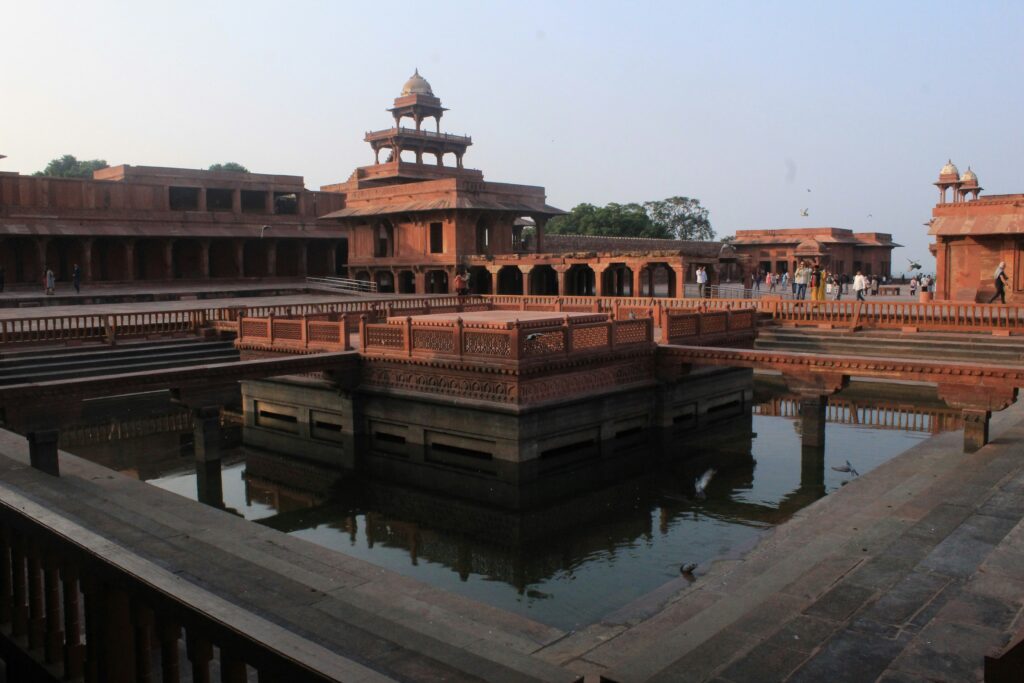
Fatehpur Sikri was briefly the capital of the Mughal Empire. Built by Akbar, the city displays a mix of Islamic, Hindu, and Jain architectural influences.
Why it is important: The city shows how Mughal planning produced balanced, symmetrical, yet culturally inclusive structures.
What to expect: Buland Darwaza, Jama Masjid, and Jodha Bai’s Palace.
8. Mehrangarh Fort – Jodhpur, Rajasthan
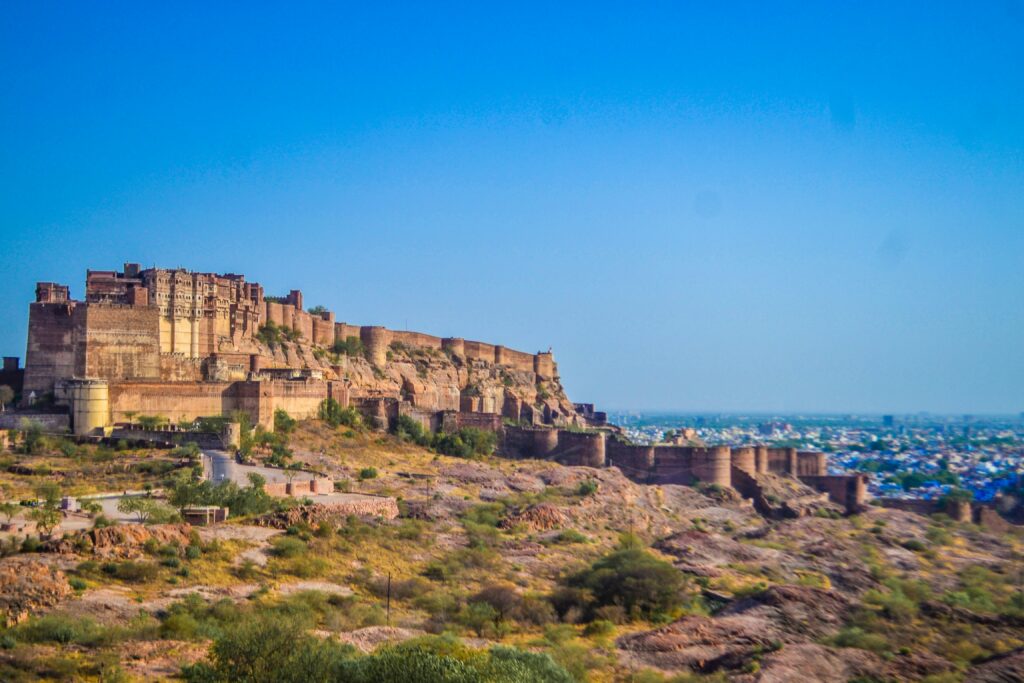
Mehrangarh stands on a rocky hill and offers spectacular views of the blue city, making it one of the most visually striking historical places in india.
Why it is significant: The fort walls show cannon marks, preserved artifacts, and royal collections.
What to expect: Museum halls, courtyards, galleries, and a panoramic view of Jodhpur.
9. Amer Fort – Jaipur, Rajasthan
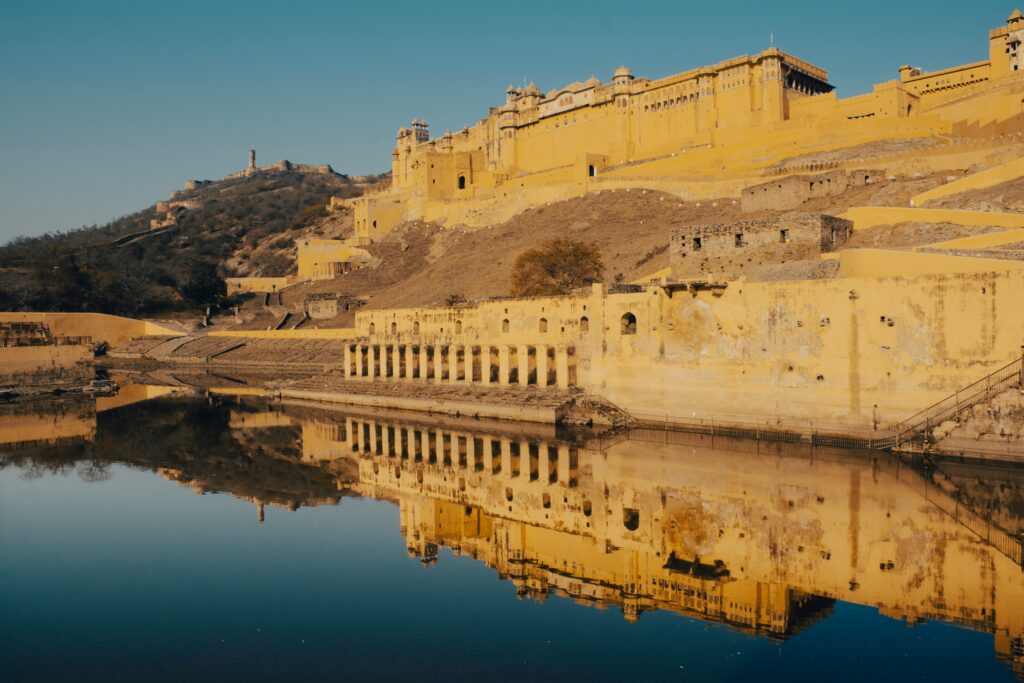
Amer Fort overlooks Maota Lake and represents Rajput architectural style with large courtyards and ornate chambers.
Why it matters: The Sheesh Mahal, with mirrors arranged to reflect a single flame into hundreds of reflections, is a major attraction.
What to expect: Elephant rides, guided tours, and evening light shows.
10. Konark Sun Temple – Odisha
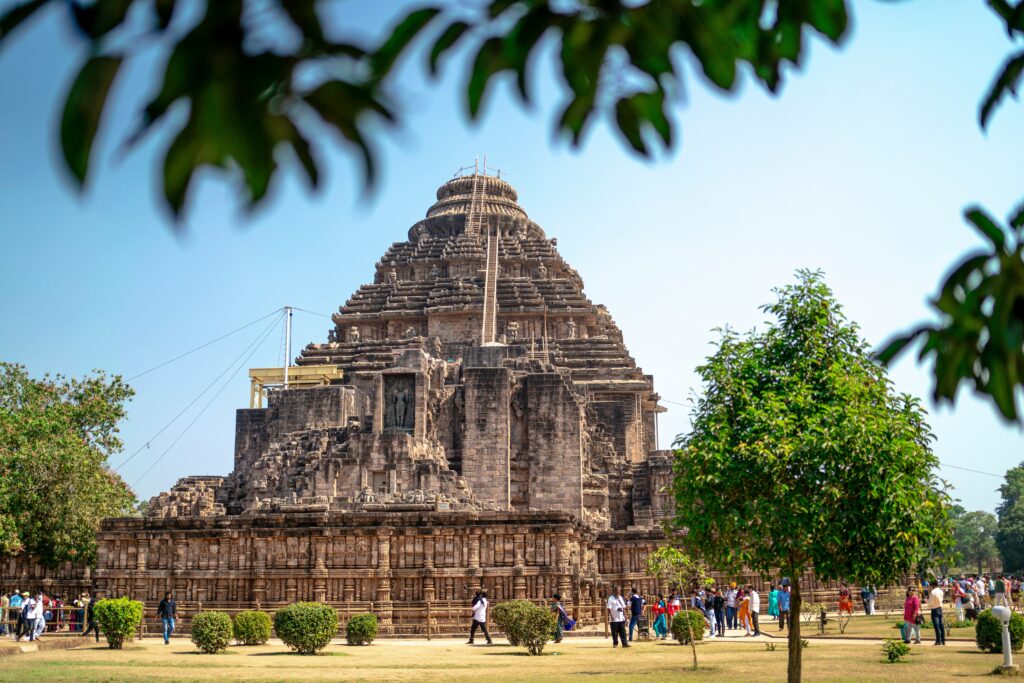
The Konark Sun Temple remains one of the historical places in india that continues to attract scholars studying ancient engineering and symbolic art.
This 13th century temple is shaped like a celestial chariot with carved wheels and horses.
Why it is important: It stands out among historical places in india for its detailed carvings, astronomical alignment, and symbolic representation of time.
What to expect: Intricate sculptures, large stone wheels, and temple remains.
11. Rani Ki Vav – Gujarat
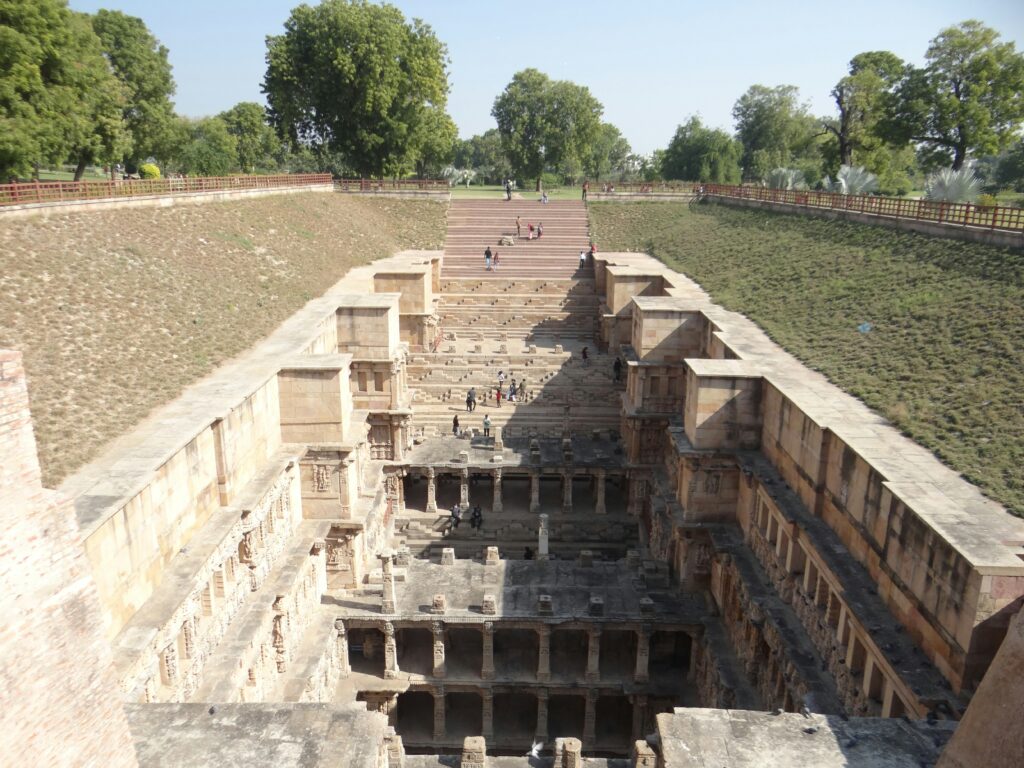
Rani Ki Vav is a stepwell built during the 11th century by Queen Udayamati. Its geometric patterns and sculptures are carefully designed.
Why it is unique: The stepwell structure was used for water conservation, creating a climate-controlled environment.
What to expect: Carved pillars, deep chambers, and layered architecture.
12. Sanchi Stupa – Madhya Pradesh
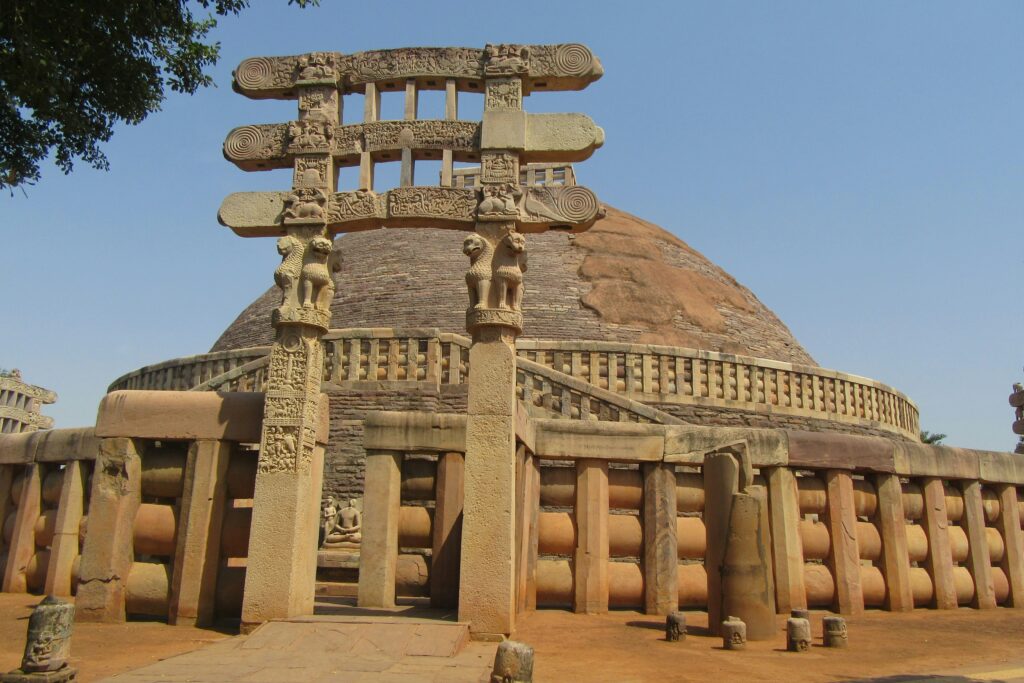
Sanchi contains some of the earliest surviving Buddhist structures in India.
Why it matters: The stupa and gateways depict scenes from Buddha’s life, making it a key educational destination for those studying early Buddhist history.
What to expect: Stupa walks, museum exhibits, and guided tours.
13. Gwalior Fort – Madhya Pradesh
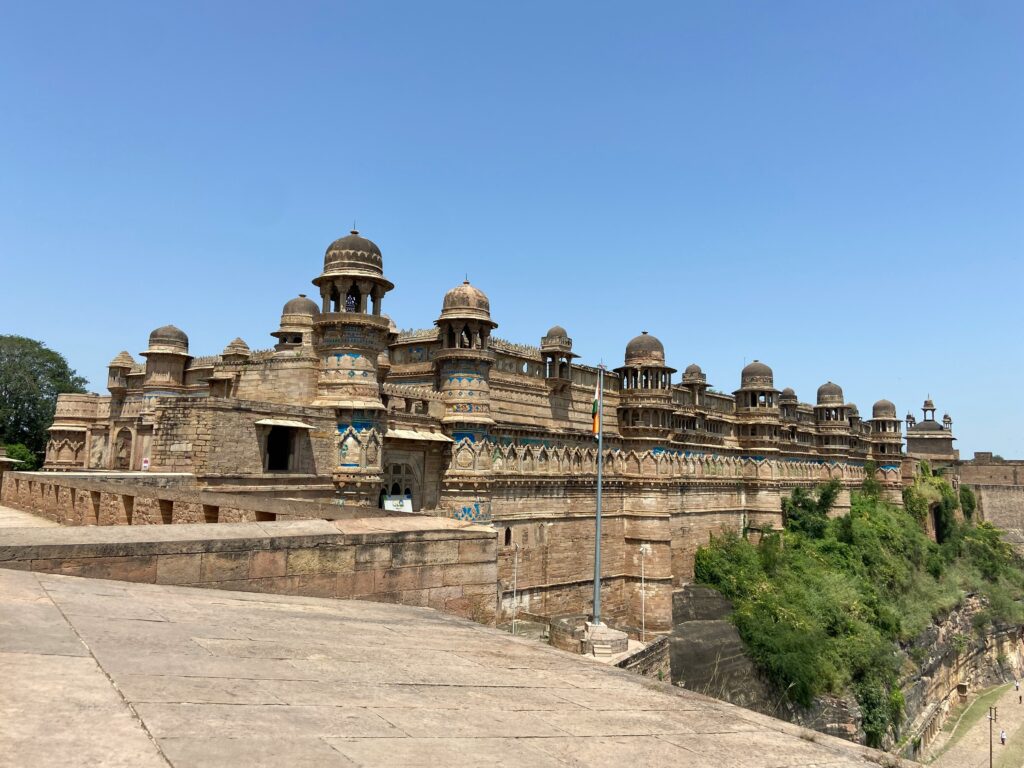
Gwalior Fort combines Rajput and Mughal influences. The fort walls rise sharply from the surrounding plain.
Why it is significant: It housed rulers from several dynasties and has remained strategically important for centuries.
What to expect: Man Singh Palace, Scindia museum, and panoramic city views.
14. Chittorgarh Fort – Rajasthan
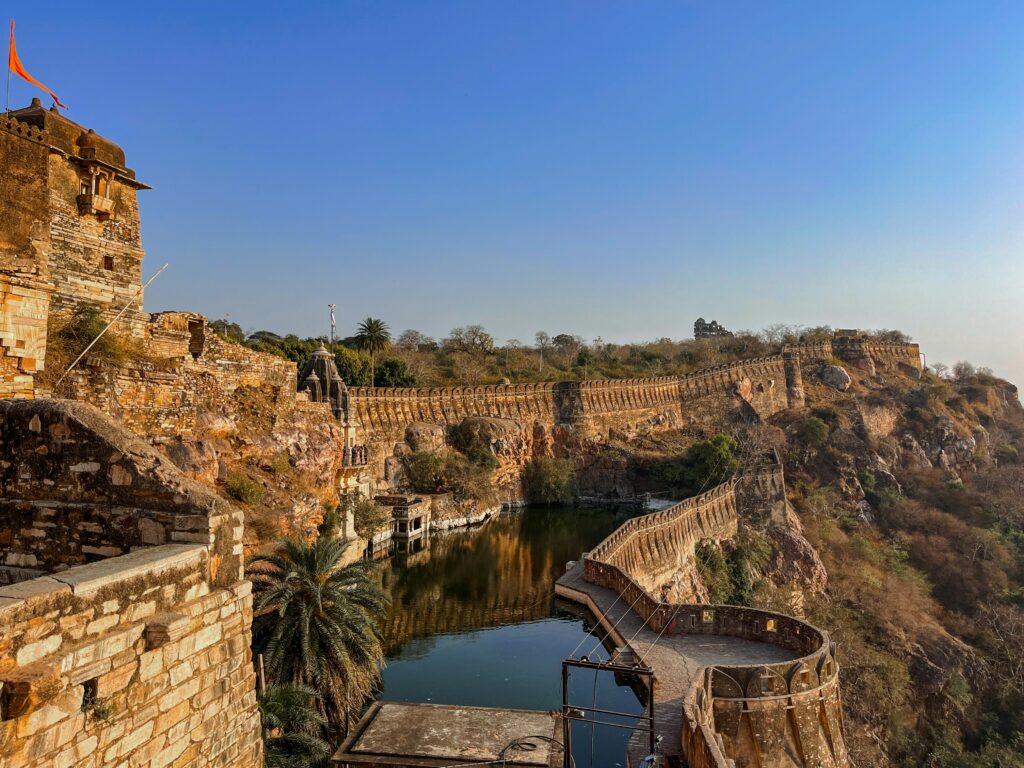
Chittorgarh is one of the largest forts in India and symbolizes Rajput valor.
Why it is important: The stories of Rani Padmini and Maharana Pratap, along with the fort’s towers and palaces, make it central to Rajput heritage.
What to expect: Vijay Stambh, Kirti Stambh, and palace remains.
15. Madurai Meenakshi Temple – Tamil Nadu
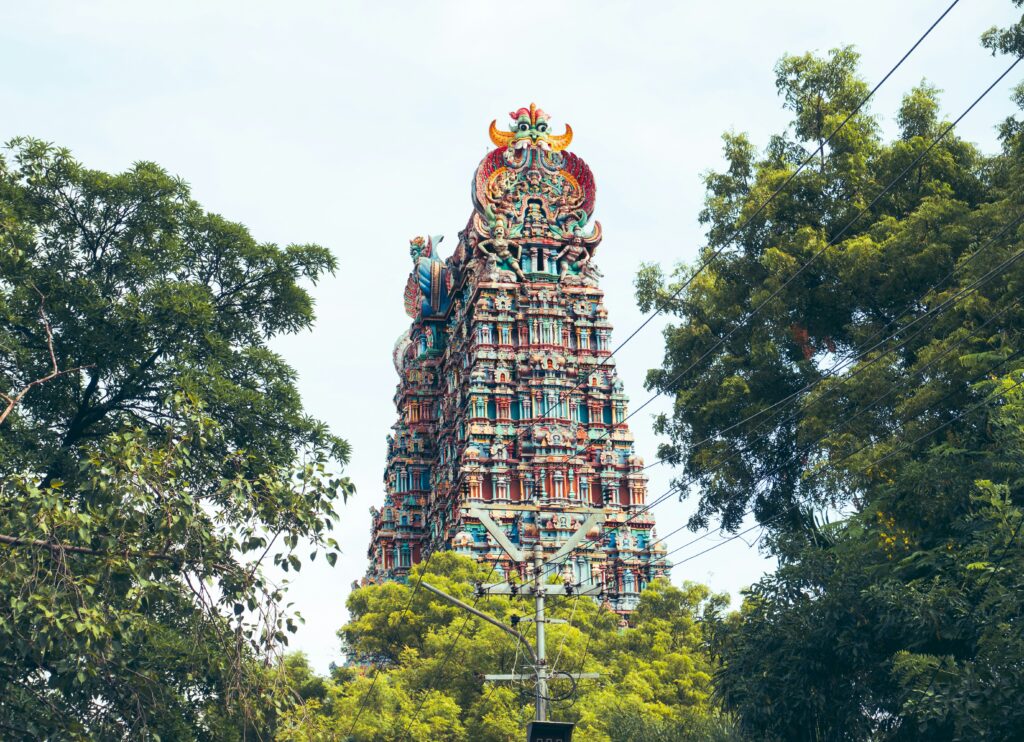
Meenakshi Temple is an ancient Dravidian structure featuring thousands of sculptures, colorful towers, and a complex ritual environment.
Why it stands out: Its historical continuity and architectural scale make it one of the most impressive historical places in india.
What to expect: Large gopurams, temple corridors, and vibrant daily rituals.
Understanding Cultural Layers at Historical Sites
Travelers can understand more about historical places in india when they look beyond architecture. Conversations with local historians, walking through market lanes surrounding forts, and observing daily rituals at ancient temples offer insights into how these structures shaped community life.
How to Explore Historical Sites Responsibly
Respect restricted zones, avoid touching fragile carvings, and follow photography rules. Hire certified guides who offer accurate information. Support local artisans by purchasing crafts near historical complexes.
Conclusion
Exploring these historical places in india helps travelers build a deeper connection with the country’s layered past and architectural heritage. These historical places in india help travelers understand the country’s complex past. Each fort, temple, palace, and ancient city reveals how societies evolved through wars, trade, cultural exchanges, and artistic innovation. Whether you are interested in architecture, history, or cultural identity, these destinations provide depth and context that enrich every journey.