

India is home to some of the oldest temples in the world, many standing strong for over a thousand years. These structures are not just places of worship but living chapters of history. The intricate carvings, stone pillars, and ancient sculptures reveal stories about kings, dynasties, battles, devotion, and architectural brilliance. This article explores some of the most significant ancient temples in India, providing insight into their history, legends, and what makes them timeless cultural landmarks.
1. Brihadeeswarar Temple, Tamil Nadu
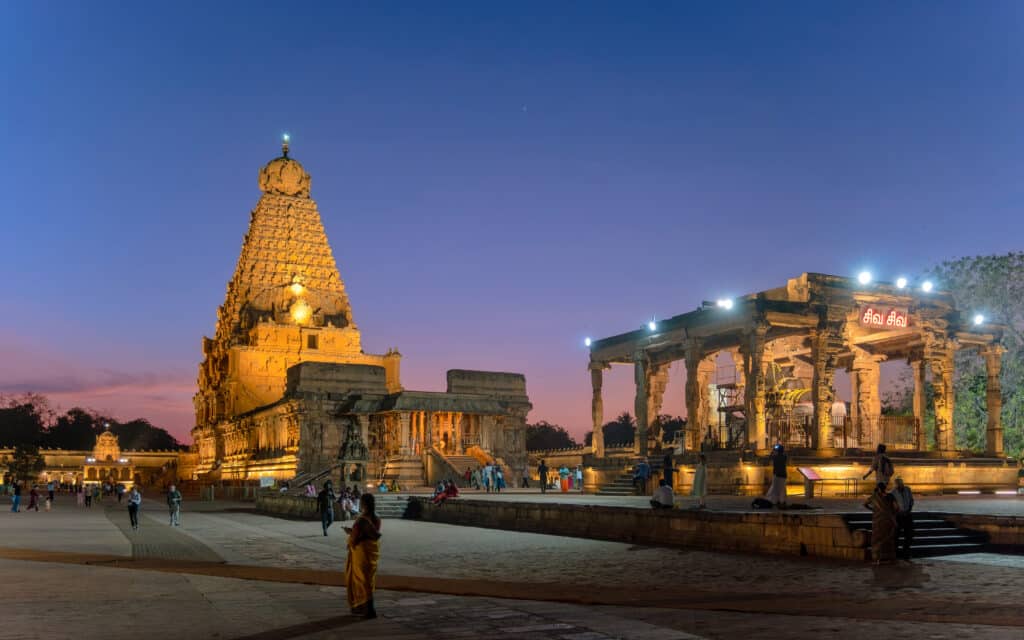
Brihadeeswarar Temple in Thanjavur is one of the finest examples of Chola architecture. Built in 1010 AD by Raja Raja Chola I, the temple is over 1,000 years old and remains one of the most powerful ancient temples in India. The massive Shiva Lingam, the towering vimana, and the detailed frescoes make this temple a masterpiece in every sense.
Why it is significant
The temple tower casts no shadow on the ground, which is considered an engineering marvel. The stone used is granite, even though there are no granite quarries nearby, raising questions about how these massive stones were transported.
Best time to visit
October to March.
2. Kailasa Temple, Maharashtra
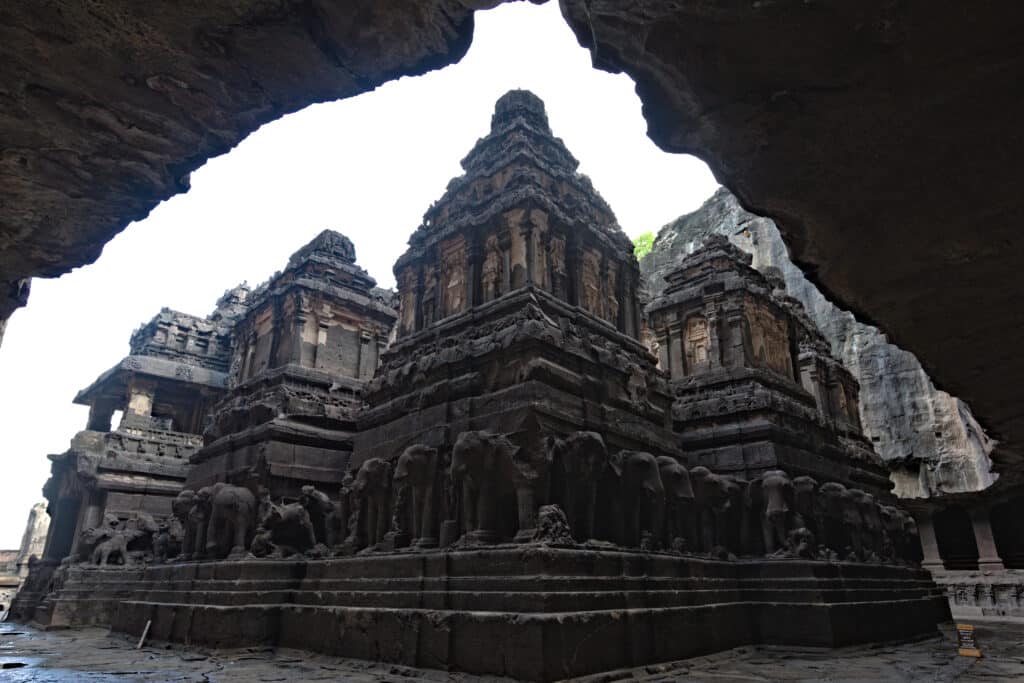
Kailasa Temple at Ellora Caves is an architectural wonder carved entirely from a single rock. It was built in the 8th century during the Rashtrakuta dynasty and stands as one of the most stunning ancient temples in India.
Why it is significant
The entire temple was excavated from the top down, something rarely seen in ancient architecture. Its carvings depict scenes from Hindu mythology, making it a masterpiece of rock cut engineering.
Best time to visit
November to February.
3. Konark Sun Temple, Odisha
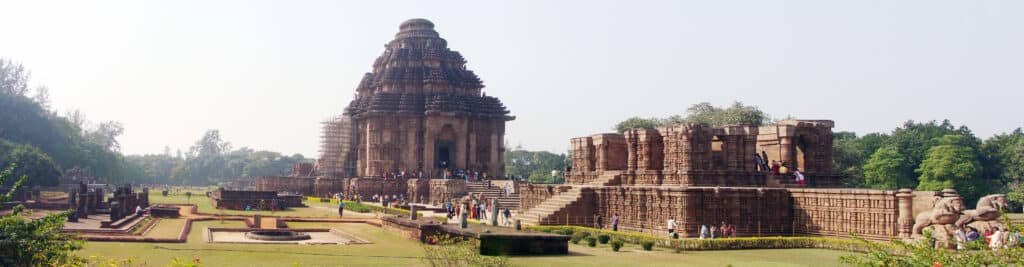
Konark Sun Temple, built in the 13th century by King Narasimhadeva I, resembles a large chariot with stone wheels and horses. Although partially ruined, it remains one of the most iconic ancient temples in India.
Why it is significant
The temple is aligned in such a way that the first rays of the sun illuminate the entrance. The stone carvings show artistic excellence that survives even after centuries.
Best time to visit
October to February.
4. Shore Temple, Tamil Nadu
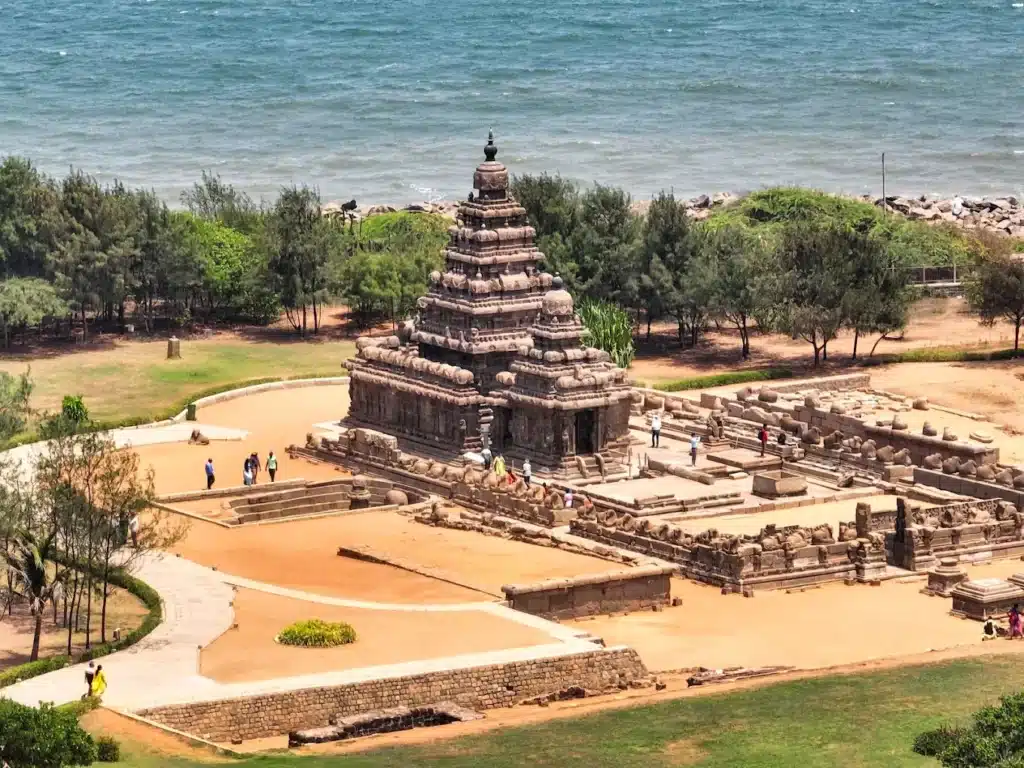
Located in Mahabalipuram, the Shore Temple dates back to the 7th century and is one of the earliest structural stone temples in South India. Built by the Pallava Kings, it overlooks the Bay of Bengal.
Why it is significant
It is believed to be part of the legendary Seven Pagodas, of which only one survives today. The temple is an outstanding representation of Dravidian architecture.
Best time to visit
November to February.
5. Kedarnath Temple, Uttarakhand
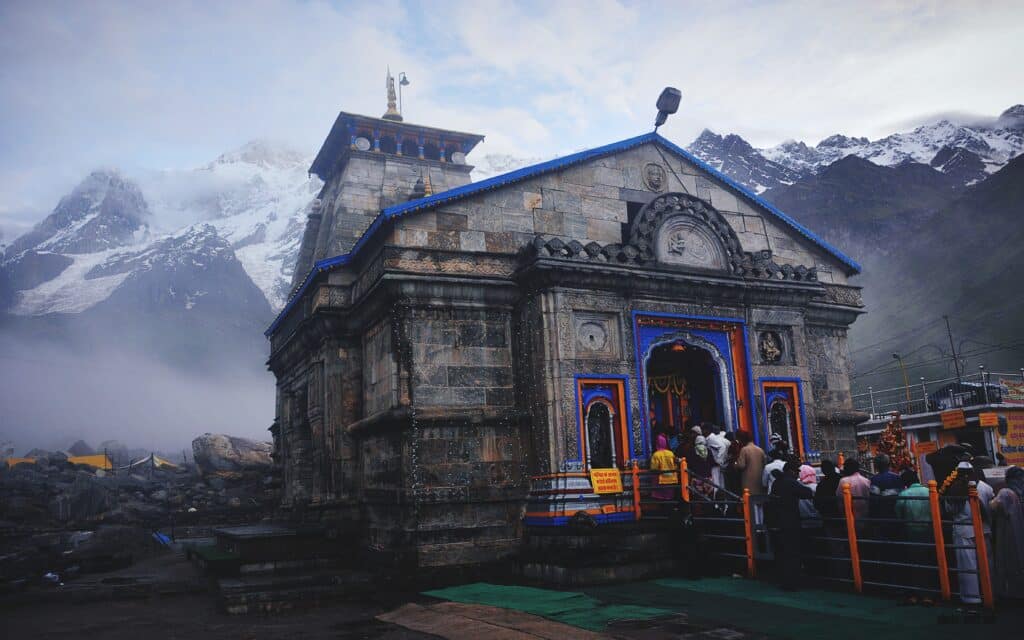
Kedarnath Temple, located in the Himalayas, is believed to have been built by the Pandavas over 3,000 years ago, later renovated by Adi Shankaracharya. It remains one of the holiest ancient temples in India.
Why it is significant
The temple has survived multiple natural disasters, including the 2013 floods, leading many to believe in its divine protection.
Best time to visit
May to June and September to October.
6. Lingaraja Temple, Odisha
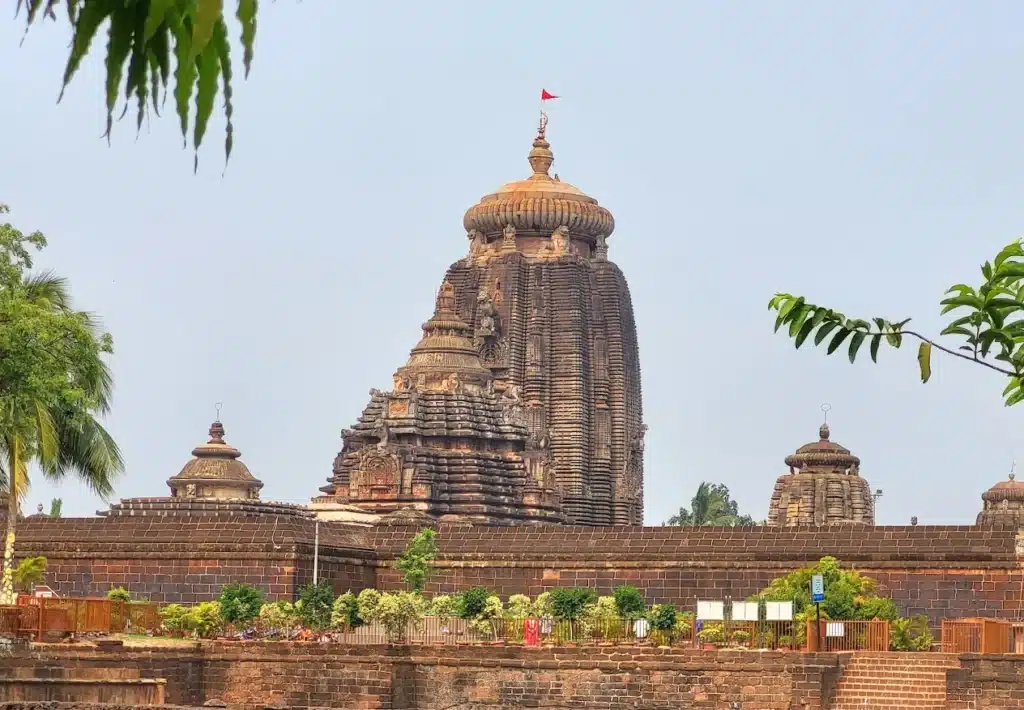
Lingaraja Temple in Bhubaneswar was built in the 11th century and is dedicated to Lord Shiva. The temple showcases Kalinga architecture and is one of the most ancient temples in India that is still actively worshipped.
Why it is significant
The 180 foot high tower, detailed carvings, and sacred pond create a spiritually intense atmosphere.
7. Virupaksha Temple, Karnataka
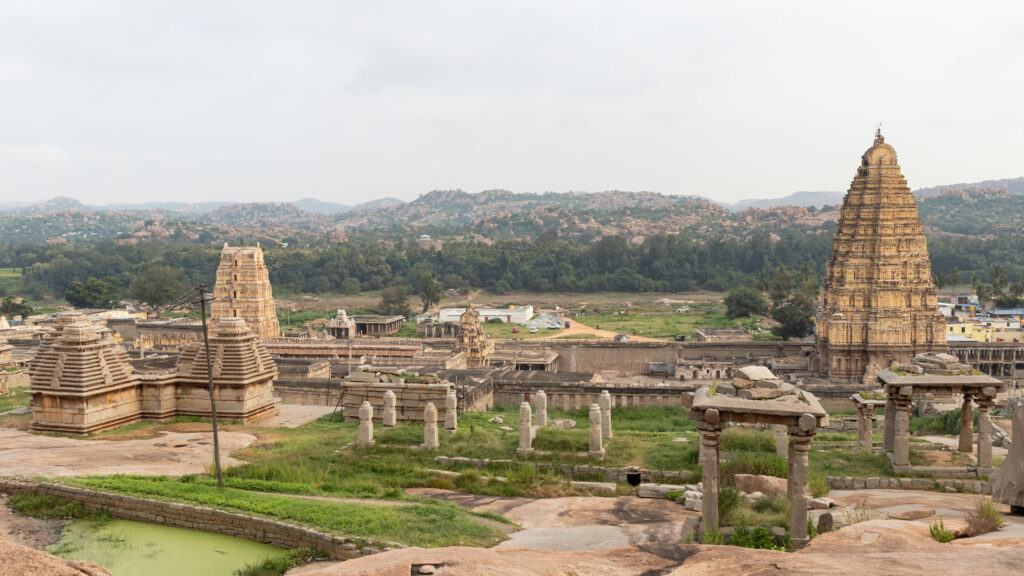
Located in Hampi, Virupaksha Temple dates back to the 7th century. It survived invasions and natural wear, and still stands as a functioning temple.
Why it is significant
The temple is part of the Hampi UNESCO Heritage Site. The architecture, murals, and the sacred Tungabhadra river nearby enhance its cultural value.
Best time to visit
November to February.
8. Meenakshi Temple, Tamil Nadu
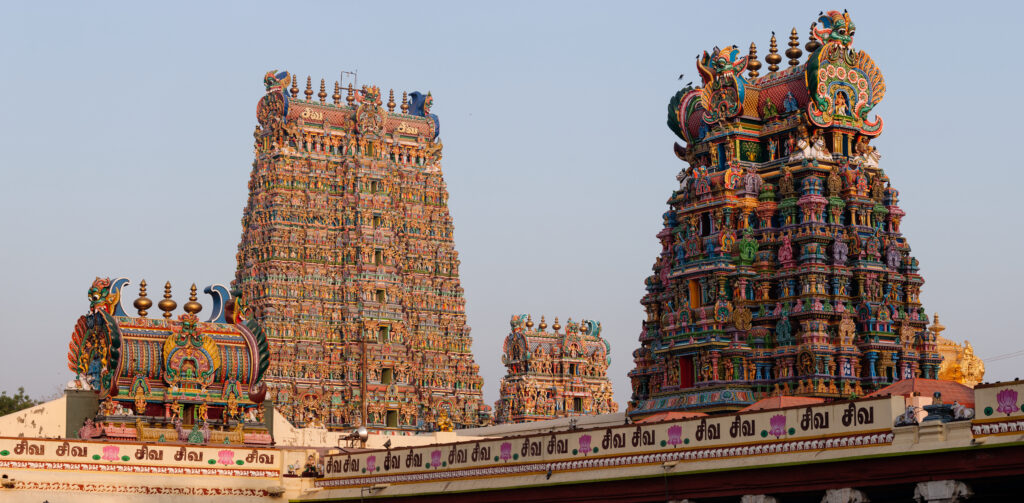
Meenakshi Amman Temple in Madurai was originally built over 2,000 years ago, though most of the current structure was rebuilt in the 16th century. Its history and legends make it one of the most culturally rich ancient temples in India.
Why it is significant
The temple houses over 33,000 sculptures, each carved with detailed precision.
Best time to visit
December to February.
9. Jagannath Temple, Odisha
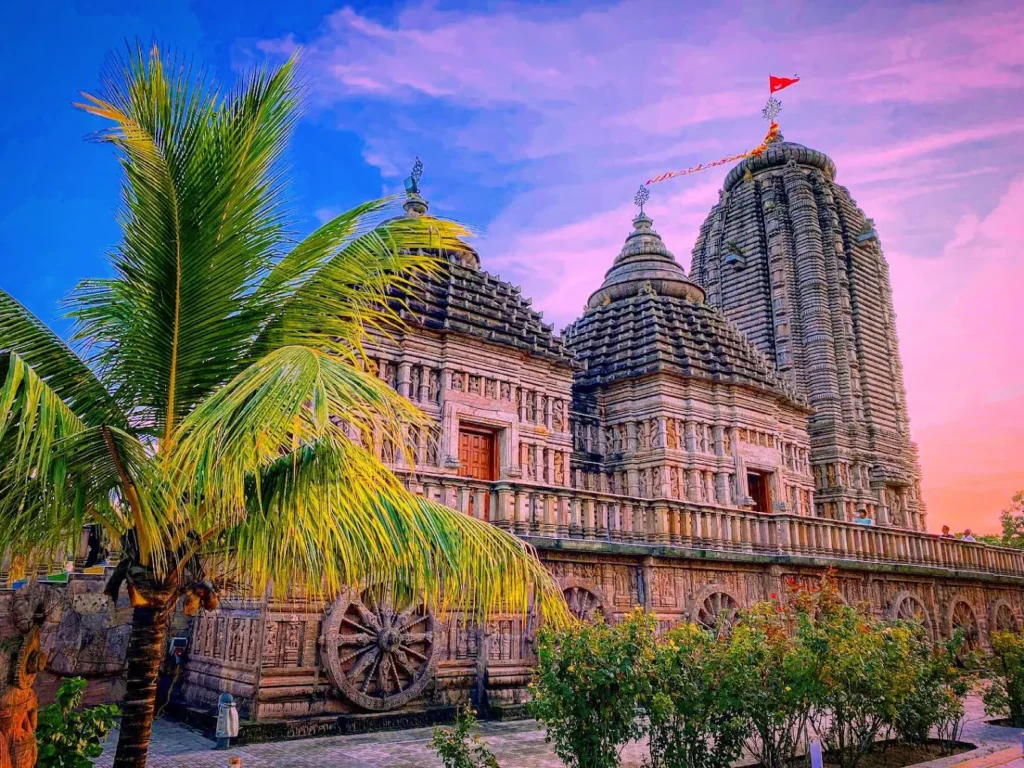
Jagannath Temple, built in the 12th century, is one of the four Char Dham pilgrimage sites. The deities are made of wood and replaced during the Nabakalebara ritual.
Why it is significant
Unexplained phenomena like the flag flying opposite the wind direction and no bird flying overhead add a mystical element to this ancient structure.
Best time to visit
October to March.
10. Kashi Vishwanath Temple, Uttar Pradesh
One of the holiest Shiva temples, Kashi Vishwanath has existed for over 2,000 years in various forms. The current structure was built by Rani Ahilyabai Holkar.
Why it is significant
It is believed that those who die in Kashi attain liberation. The temple attracts millions of devotees each year.
Best time to visit
October to February.
Conclusion
The ancient temples in India are more than historical structures. They symbolize resilience, devotion, craftsmanship, and cultural evolution. These temples continue to attract historians, travelers, photographers, and devotees from across the world. Whether you appreciate architecture or want a deeper spiritual experience, these ancient temples in India offer a rare glimpse into the country’s timeless heritage.










6 thoughts on “10 Most Ancient Temples in India Older Than 1,000 Years”